
Why Is My Well Water Orange, Brown, or Yellow? What the Color Can Mean
Quick answer: Brown, orange, yellow, or rusty-looking well water is often connected to iron, sediment, corrosion, or other naturally occurring material in the water system. The exact color and timing can offer useful clues, but a visible color change should be taken seriously and tested before choosing a treatment or repair solution.
Has your well water changed color?
TLC Well Service helps Northern Indiana homeowners diagnose rusty, brown, orange, yellow, cloudy, and sediment-filled well water concerns with professional well service and water purification solutions.
Table of Contents
- What colored well water may mean
- Quick color guide for homeowners
- Why well water turns brown
- Why well water turns orange or rusty
- Why well water turns yellow
- Why a sudden water-color change matters
- What you can check first
- When to test your well water
- How discolored well water is treated
- When to call TLC Well Service
- Frequently asked questions
You turn on the faucet and the water is no longer clear. It may have a faint yellow tint, an orange cast, or a muddy brown appearance. It may leave rusty stains in sinks and toilets, stain laundry, or settle into particles after it sits in a glass. For homeowners with private wells, discolored water is a common concern, but it should never be dismissed without understanding what changed.
In Indiana groundwater, iron is a common cause of reddish-orange and brown discoloration. Sediment, rust, organic material, iron bacteria, plumbing corrosion, recent service work, storm-related disturbance, and other water-quality issues may also create noticeable color changes.
This article is part of TLC’s supporting water-quality content cluster. For a broader look at well symptoms such as no water, low pressure, odd odors, and pump behavior, visit the home well system troubleshooting guide. This page focuses specifically on well water that turns orange, brown, yellow, or rusty-looking.
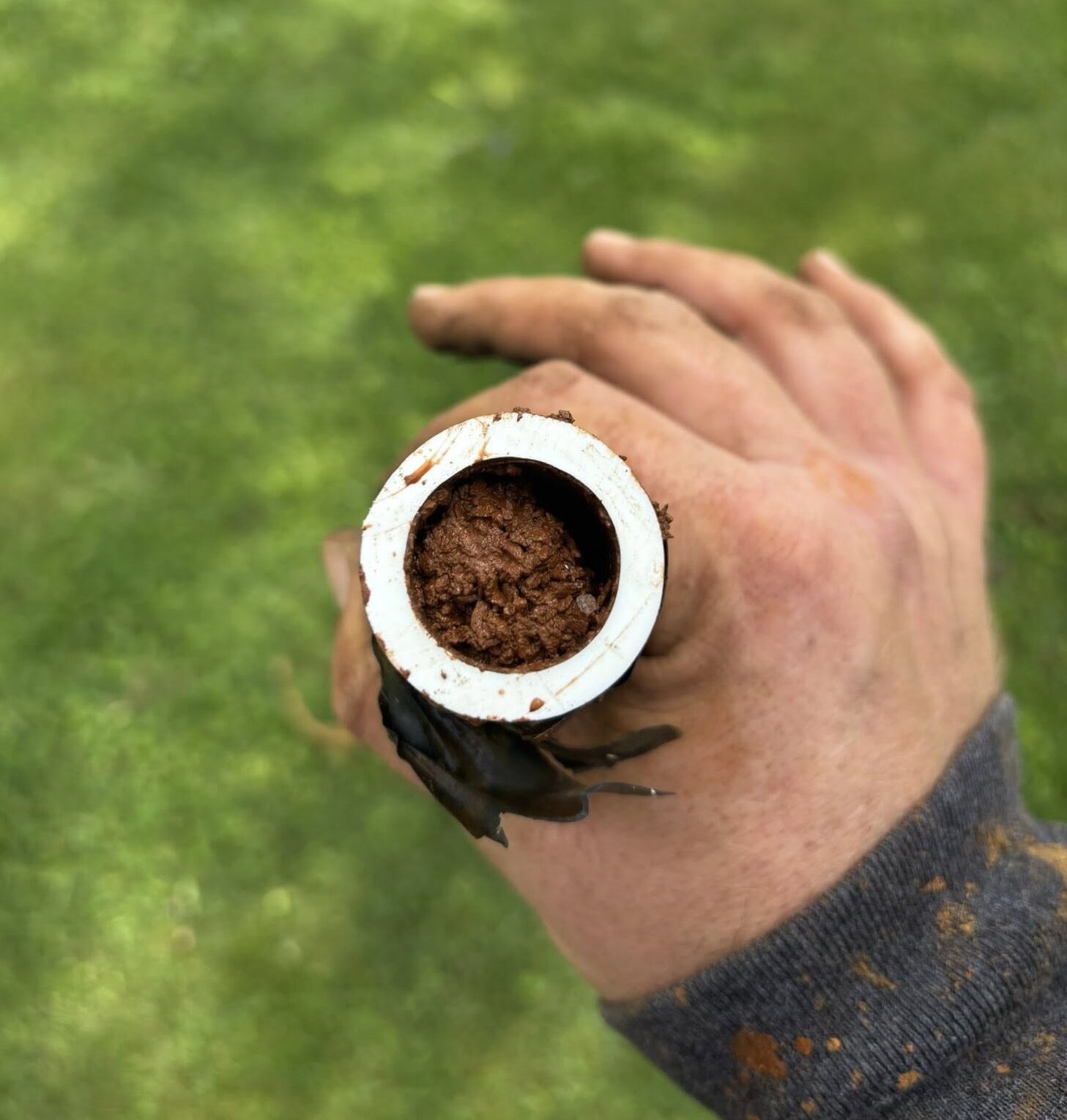
What colored well water may mean
Water color is a clue, not a complete diagnosis. Two homeowners may both describe their water as brown, while one has iron staining and the other has sediment stirred up after heavy water use. A third homeowner may see rusty water because older plumbing is corroding inside the home.
The color, texture, smell, timing, and location of the problem all matter. Ask yourself:
- Does the water appear colored at every faucet or only one?
- Does it come out clear and then change color after sitting?
- Are there visible particles settling in the bottom of a glass?
- Does the water smell metallic, musty, or unusual?
- Did the change happen after repairs, flooding, heavy rain, or plumbing work?
- Is the water also causing stains in fixtures, appliances, or laundry?
Those details help separate a treatment-related issue from a well-system problem, a plumbing concern, or a situation that needs water testing right away.
Quick color guide for homeowners
Brown Water
Often linked to iron, rust, sediment, or disturbance in the well or plumbing system. Brown water that appears suddenly should be tested and inspected.
Orange or Rusty Water
Frequently associated with iron in groundwater or rust-colored particles that stain tubs, sinks, toilets, and laundry.
Yellow Water
May be connected to dissolved or suspended iron, organic material, treatment concerns, or other water chemistry changes that need testing.
| What you notice | Possible explanation | Best next step |
|---|---|---|
| Water comes out clear, then turns orange or brown after sitting | Dissolved iron may be reacting with oxygen after the water leaves the faucet. | Test for iron and review filtration or treatment options. |
| Water comes out rusty or orange immediately | Visible iron particles, corrosion, or sediment may already be present in the flow. | Check if the issue affects the whole home and schedule diagnosis if persistent. |
| Water is brown with gritty particles | Sediment, rust, or disturbed material may be moving through the system. | Inspect filters and see TLC’s sediment-focused guide. |
| Water is yellow without obvious grit | Dissolved or suspended iron, organic material, or a water chemistry concern may be involved. | Test before installing treatment equipment. |
| Only hot water is discolored | The water heater may be contributing to the issue. | Check the hot-water system before assuming the well is the sole cause. |
| Only one faucet has colored water | A fixture or local plumbing line may be involved. | Compare several fixtures and check faucet aerators. |
Why well water turns brown
Brown well water can be caused by iron, rust, sediment, or a combination of materials moving through the water system. If the water looks muddy or contains visible particles, the issue may overlap with sediment concerns. If it leaves brown or orange staining on fixtures, dissolved or oxidized iron may be a major factor.
Iron in groundwater
Iron is naturally present in soil and rock, and it can dissolve into groundwater. Purdue Extension reports that iron in Indiana groundwater commonly ranges from 0.1 to 3.0 parts per million. At higher concentrations, iron can create reddish-orange or brown-black staining, unpleasant taste, odor, and household nuisance problems.
Sediment stirred into the system
Brown water with grit or material that settles in a container may point toward sediment. It can show up after heavy water use, system disturbance, pump issues, well wear, or other changes. TLC’s related article, Why Is There Sediment in My Well Water?, goes deeper into that symptom.
Corrosion inside household plumbing
If the water is colored only at certain fixtures or after the water has sat in a particular pipe, plumbing corrosion may be part of the problem. Comparing several taps can help show if the issue is coming from the well supply or a smaller area inside the home.
Why well water turns orange or rusty
Orange or rusty-looking water is commonly associated with iron. It may appear as a tint in the water, orange particles, reddish stains in toilets, or rusty marks in sinks, tubs, showers, and laundry.
Iron can appear in different ways:
- Clear water that later changes color: Dissolved iron may become visible after contact with air.
- Water that is already orange or rusty at the tap: Iron particles or rust may already be present in the flow.
- Orange staining with slime or odor: Iron-related bacteria may be involved and may require a different service approach.
- Orange water after repairs or disturbance: Sediment or rust may have been stirred into the system.
Orange water does not automatically mean your well is failing. It does mean the system should be understood before you choose a filter, repair, or treatment solution.
Why well water turns yellow
Yellow well water can be more difficult to diagnose by appearance alone. It may come from certain forms of iron, organic material, water that has been influenced by surface conditions, or treatment-related issues. Fine particles may also remain suspended in water and create a yellowish tint instead of settling quickly.
A yellow tint is especially worth testing when it:
- appears suddenly
- affects all fixtures in the home
- comes with odor, staining, or unusual taste
- begins after heavy rain, flooding, construction, or repairs
- continues after filters have been changed or serviced
Do not rely on color alone to identify the cause. Yellow water may look like a minor nuisance while still giving you a useful warning that something in the well supply or treatment system has changed.
Why a sudden water-color change matters
A long-term staining problem and a sudden color change are not quite the same thing. If your well water has always left some iron staining, treatment may be the main discussion. If clear water suddenly becomes brown, orange, or yellow, the system should be checked for a new cause.
A sudden change can happen after:
- heavy rainfall or flooding near the well
- well or pump service
- new construction or land disturbance nearby
- a failing filter or treatment component
- damage to the wellhead or system components
- changes in plumbing or water-heating equipment
- a mechanical issue that is pulling sediment into the water
The EPA recommends immediate testing when private well water changes in color, odor, or taste, or after a well system component is repaired or replaced.
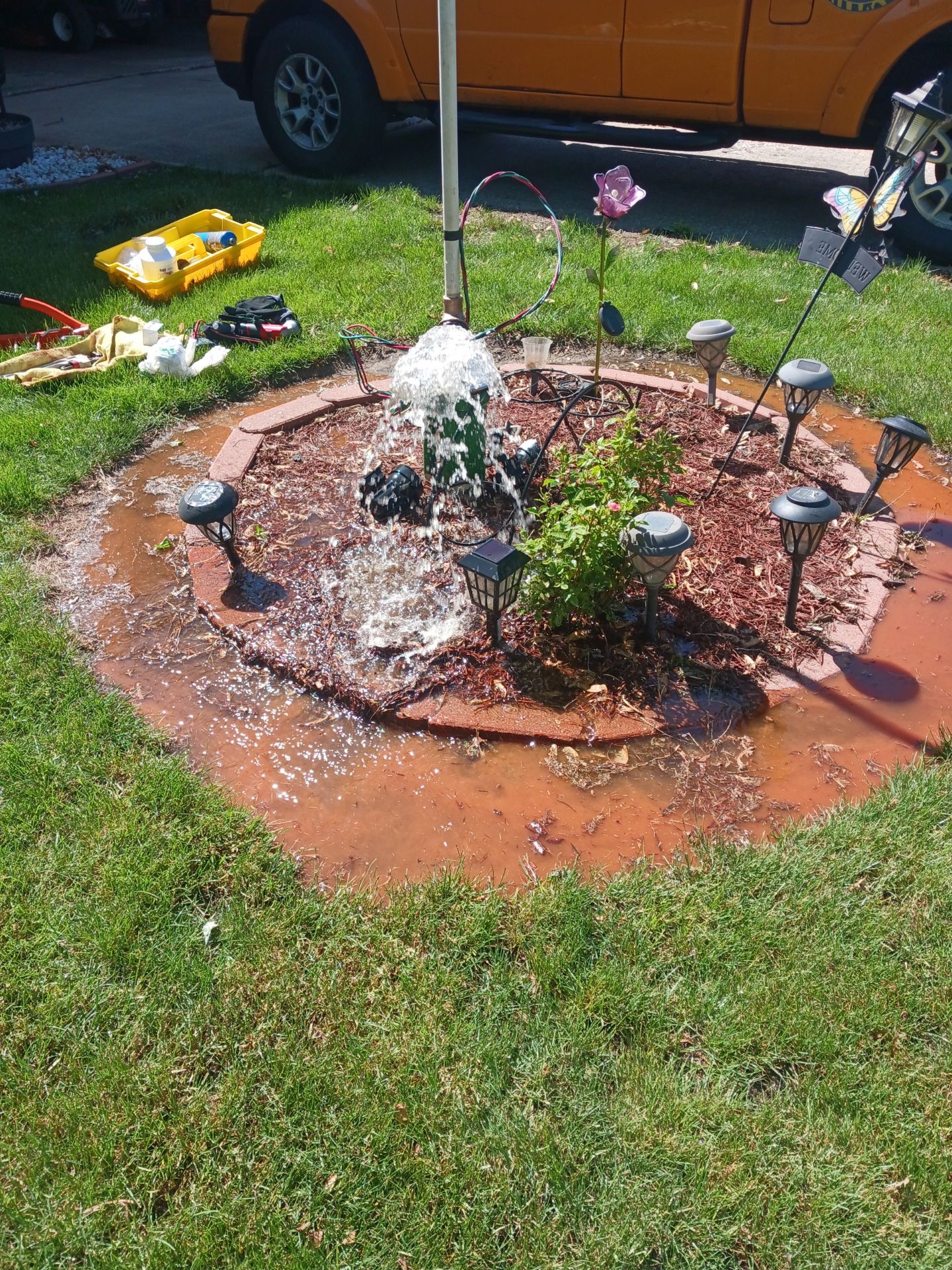
What you can check first
Discolored well water needs attention, but you can gather several useful clues before a service visit. These observations help a professional determine the best next step more efficiently.
Fill a clear glass and let the water sit
Watch what happens over several minutes. If clear water becomes orange or brown after sitting, dissolved iron may be reacting with air. If particles settle to the bottom, sediment or visible rust particles may be involved.
Check both hot and cold water
If only hot water has color, the water heater may be contributing. If both hot and cold water are affected throughout the home, the source is more likely related to the well supply, treatment equipment, or main plumbing system.
Compare several fixtures
Test the kitchen sink, a bathroom sink, a tub faucet, and an outdoor spigot if available. A whole-house issue points in a different direction than a single-fixture issue.
Look inside faucet aerators and filters
Aerators may trap rust-colored flakes, grit, or dark particles. If your home has a sediment filter or other treatment equipment, look at the condition of the filter and note how quickly it becomes dirty.
Notice related symptoms
Pay attention to low pressure, no water, unusual odors, metallic taste, slime in toilet tanks, pump cycling changes, or clogged fixtures. Color plus other symptoms often points toward a more complete diagnosis.
When to test your well water
Testing is the smart next move any time well water changes color, especially when the discoloration is sudden, persistent, or paired with other symptoms. A water test can help distinguish iron, manganese, bacteria, pH concerns, dissolved solids, and other conditions that appearance alone cannot confirm.
Consider water testing if:
- your water has turned orange, brown, yellow, rusty, cloudy, or unusually dark
- your water now has a different smell or taste
- staining has become worse or appeared suddenly
- the well was affected by flooding or recent repairs
- your treatment equipment is no longer solving the problem
- you recently purchased a home with a private well
- you have not completed annual well testing
For local guidance, visit TLC’s well water testing page. If the color change is part of a bigger system issue, TLC’s home well system troubleshooting guide is also a helpful starting point.
How discolored well water is treated
The right treatment depends on the source of the color change and the results of testing. A good solution focuses on the cause, not just the stain left behind.
| Potential source | Possible next step | Why diagnosis matters |
|---|---|---|
| Iron in the incoming well water | Water testing followed by properly selected filtration or treatment | Iron levels and water chemistry influence the right equipment choice. |
| Sediment or grit | Inspect the well system and consider sediment filtration if appropriate | A filter may catch particles, but a mechanical source may still need repair. |
| Iron bacteria or recurring slime | Professional diagnosis, possible disinfection, and treatment planning | The problem may return without addressing the underlying condition. |
| Corrosion in plumbing or equipment | Identify and repair the affected components | Water treatment alone may not stop material coming from corroded piping. |
| Post-flood or post-repair color change | Testing and inspection before normal drinking-water use continues | The concern may involve more than staining or minerals. |
TLC provides water purification options for homeowners dealing with recurring water-quality concerns. If discoloration also comes with mechanical symptoms such as poor pressure, unusual pump behavior, or no water, the best next step may be professional well service first.
Clear answers start with the source of the discoloration
If your water is staining fixtures, clogging filters, changing color, or causing concerns about your private well, TLC Well Service can help you understand the next practical step.
When to call TLC Well Service
Call TLC Well Service when your well water changes color and you need help understanding the cause, especially when the issue is new, recurring, getting worse, or combined with another system symptom.
Professional help is especially important if:
- the entire home has brown, orange, yellow, or rusty water
- your water changed suddenly after a storm, flood, repair, or system disturbance
- filters clog quickly or staining keeps returning
- your water also smells bad or tastes metallic
- you notice sediment, grit, slime, or unusual particles
- your home is also dealing with low pressure or no water
- you are considering installing new treatment equipment
TLC Well Service helps homeowners throughout South Bend, Elkhart, Mishawaka, Granger, Goshen, Nappanee, and surrounding Northern Indiana communities with well service, water-quality concerns, system diagnosis, and purification solutions.
Frequently asked questions
Why is my well water brown?
Brown well water may be caused by iron, rust, sediment, plumbing corrosion, or disturbance in the well system. Testing and inspection help identify the true source.
Why is my well water orange or rusty-looking?
Orange or rusty-looking well water is commonly associated with iron in groundwater or rust-colored particles in the system. It may stain fixtures, laundry, and appliances.
Why is my well water yellow?
Yellow well water may be connected to certain forms of iron, fine suspended particles, organic material, or other water chemistry changes. Testing is the best way to understand the cause.
Is brown or orange well water safe to drink?
Color alone cannot confirm safety. Iron may create staining and taste concerns without being the main health issue, but any sudden color change is a good reason to test private well water before assuming it is safe.
Can a filter fix rusty well water?
A properly selected filtration or treatment system may help when iron or sediment is the cause. The right equipment depends on water testing and the source of the problem.
Should I call someone if the water changed color suddenly?
Yes. Sudden color changes after flooding, repairs, storms, or unknown causes should be tested and professionally evaluated, especially if the change affects the whole home.
Final takeaway
Brown, orange, yellow, or rusty-looking well water is not something a homeowner should simply get used to. It may be caused by iron, sediment, corrosion, organic material, treatment issues, or a recent change in the well system. The visible color gives you a clue, but testing and professional diagnosis give you the information needed to choose the right solution.
If your private well water has changed color, TLC Well Service can help you understand the issue, protect your home’s water system, and explore practical service or purification options for clearer, more dependable water.
Need help with discolored well water?
Contact TLC Well Service for trusted local help with rusty, brown, orange, yellow, cloudy, or sediment-filled well water throughout Northern Indiana.