
Why Is There Sediment in My Well Water? Causes, Fixes, and When to Call
Quick answer: Sediment in well water usually means sand, silt, rust, mineral particles, or other debris are getting into your water supply somewhere between the well and the tap. Sometimes the issue is minor, like a dirty faucet aerator or a clogged filter. Other times, it points to a bigger well, pump, casing, or water quality problem that should be checked sooner rather than later.
Need help with dirty or gritty well water?
If your water looks cloudy, feels sandy, or is clogging fixtures and filters, TLC Well Service can help identify the source and recommend the right fix for your system.
Table of Contents
- What sediment in well water usually means
- Common types of sediment homeowners notice
- What causes sediment in well water
- What you can check first
- Signs the problem may be more serious
- How sediment problems are usually fixed
- When to test your water
- When to call a professional
- How TLC Well Service can help
- Frequently asked questions
If you fill a glass from the tap and see dirt, grit, cloudiness, or flakes settling at the bottom, it is easy to assume the whole well is failing. Sometimes that is not the case. Sediment can come from several places, and the right fix depends on figuring out what kind of material you are seeing, when it shows up, and how the rest of the system is behaving.
This article is meant to be a focused companion to TLC’s broader well system troubleshooting guide. Instead of covering every well issue, this one zeroes in on sediment, sandy water, cloudy water, and the practical next steps a homeowner should take.
What sediment in well water usually means
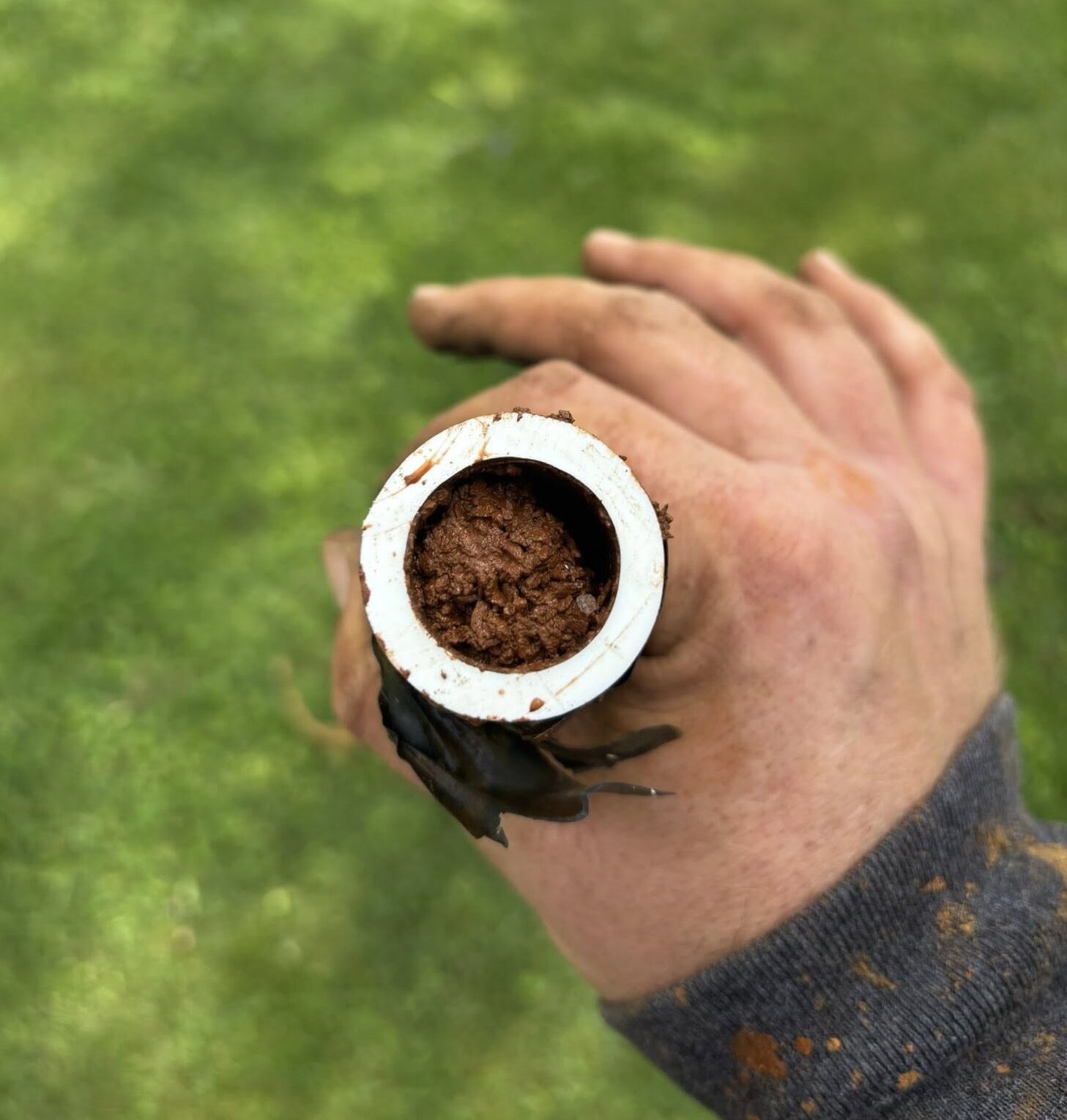
Sediment is a broad term. In a home well system, it can mean sand, silt, rust particles, mineral debris, or organic material suspended in the water. It may stay floating and make the water look cloudy, or it may settle to the bottom of a container after a few minutes. That is one reason homeowners describe the problem in different ways, even when they are looking at something very similar.
Not all sediment points to the same source. Some sediment is stirred up naturally in the well. Some comes from old plumbing or a failing component. Some appears after a heavy rain, flooding, system repairs, or changes in water demand. The key is to pay attention to the pattern, not just the appearance.
Common types of sediment homeowners notice
| What you see | What it may point to | Why it matters |
|---|---|---|
| Sand or gritty particles | Well sediment, pump placement issue, worn internal well parts, or disturbed aquifer material | Can wear out fixtures, valves, and appliances over time |
| Cloudy or hazy water | Fine suspended sediment, treatment issues, or very small particles that stay in the water longer | May be harmless in some cases, but may also signal a deeper water quality problem |
| Rusty flakes or orange-brown particles | Iron, corrosion, old plumbing debris, or sediment mixed with mineral staining | Can stain fixtures and may overlap with treatment needs |
| Black specks or dark particles | Manganese, deteriorating rubber parts, filter media, or plumbing-related debris | Needs diagnosis before picking the right solution |
| Material that appears after repairs or storms | Disturbance in the well, plumbing, or nearby ground conditions | May be temporary, but should still be monitored closely |
What causes sediment in well water
1. Natural sand, silt, or mineral particles from the well
Some wells pull in naturally occurring particles from the surrounding formation. If those particles are fine enough, they can make water look cloudy or dirty, especially after the system has been idle or after heavy water use. This can be more obvious in older systems or systems already dealing with wear.
2. A pump or intake issue
If the pump is pulling too close to the bottom of the well, or if the system has a worn or damaged component, more grit and sediment can be drawn into the line. This is one reason sediment and pump problems often show up together. If your water is dirty and pressure has changed too, it is smart to review TLC’s broader troubleshooting guide and reach out for service if needed.
3. Well screen, casing, or structural wear
As a well ages, screens, seals, and other protective elements can wear down. That can let more debris into the system than it should. If sediment suddenly becomes much heavier than normal, or if the issue gets worse over time, this moves higher on the list of likely causes.
4. Plumbing corrosion or internal debris
Not every sediment problem starts down in the well. Sometimes the particles are coming from old galvanized plumbing, corroded fittings, or other worn system parts closer to the home. If sediment only appears at one faucet or in one part of the house, that clue matters.
5. A filter or treatment issue
If your home has filtration or treatment equipment, a dirty, overloaded, or failing component can let particles through or create flow changes that make the problem look worse. This is one reason sediment problems often overlap with water purification discussions. A homeowner may need system cleaning, a filter change, a better sediment stage, or a more complete treatment setup depending on what the water actually contains.
6. Heavy use, recent repairs, or nearby disturbances
Sometimes sediment shows up after plumbing work, pump service, flooding, heavy rain, or a period of unusually high water demand. In those cases, the problem may be temporary, but it still deserves attention if it does not clear up quickly or if the water also changes in smell, color, or taste.
What you can check first
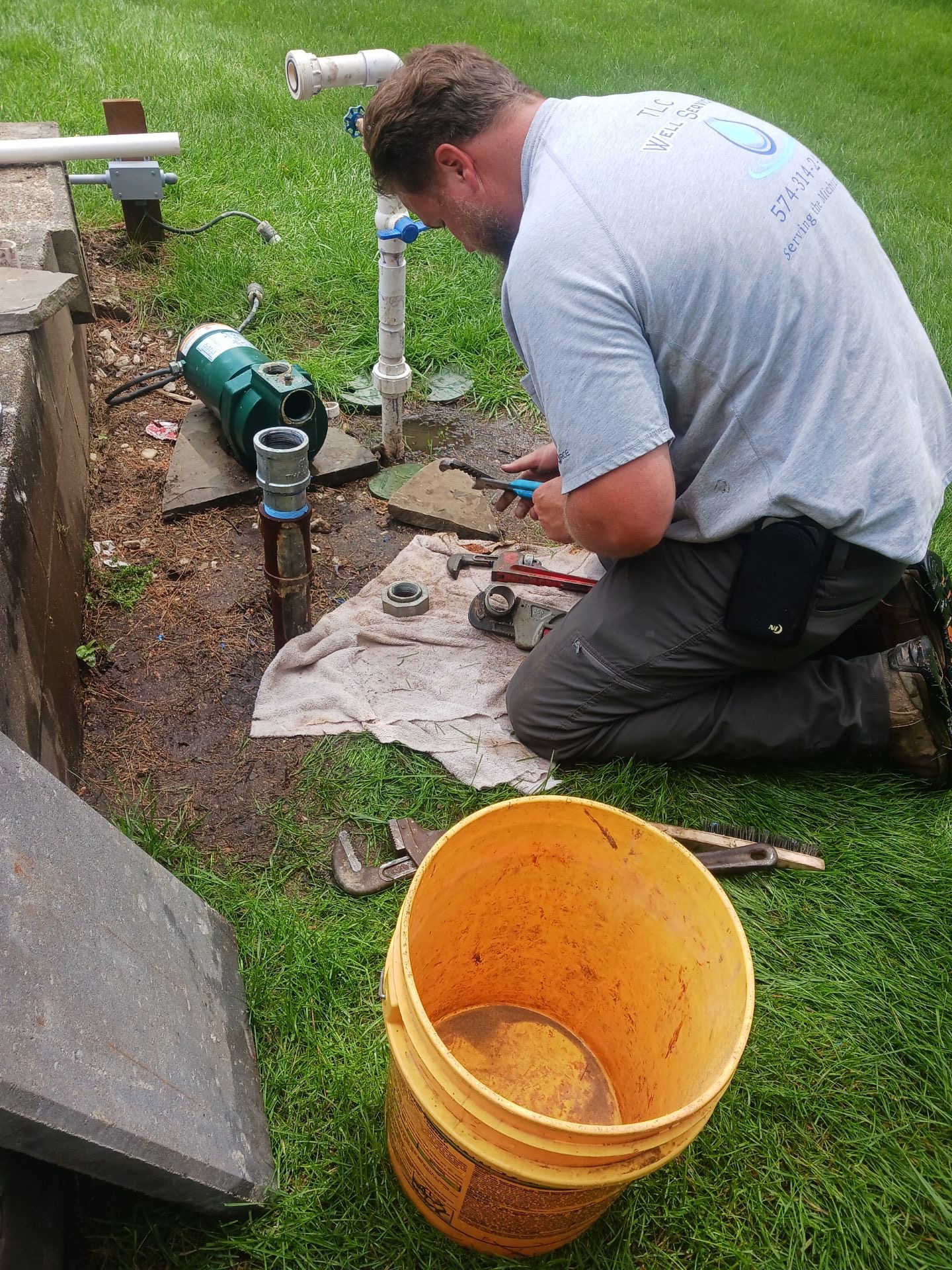
You do not need to tear into the well system to gather useful information. A few simple observations can help narrow the issue down.
Check more than one faucet
If sediment is only showing up at one sink, tub, or shower, the issue may be local to that fixture or branch of plumbing. If it appears all through the house, the source is more likely tied to the well system or whole-house treatment setup.
Let a clear glass of water sit
Fill a clear glass and let it rest for a few minutes. If particles settle to the bottom, that points more strongly to sediment. If the cloudiness clears from top to bottom very quickly, trapped air may be part of what you are seeing.
Clean aerators and screens
Unscrew the aerator on a faucet and check for trapped grit, flakes, or rust-colored debris. This will not solve a whole-house issue, but it can tell you a lot about the kind of material moving through the plumbing.
Check filters and recent maintenance history
If you have a sediment filter, cartridge filter, or other treatment equipment, inspect it first. A clogged filter may show you exactly what has been coming through the system. It can also help you spot patterns like heavy iron, coarse sand, or repeated sludge buildup.
Notice when it happens
Does the sediment show up first thing in the morning, after a lot of water use, after storms, or only when pressure drops? Timing matters. A pattern like that often points toward the actual source.
Signs the problem may be more serious
Some sediment is annoying but manageable. Other sediment is a warning sign that the well system needs professional attention.
- The water suddenly becomes much dirtier than normal.
- Sediment is showing up throughout the entire home.
- Filters keep clogging unusually fast.
- The water changed after flooding, storm damage, or recent well work.
- You hear unusual pump noises or notice pressure swings.
- The water looks rusty, cloudy, or dirty and also tastes or smells off.
- You are seeing no-water or low-pressure events along with the sediment.
If your system is losing water along with sediment, it is worth visiting TLC’s No Water Emergency page or going straight to contact TLC for faster help.
How sediment problems are usually fixed
The right fix depends on the source, not just the symptom. A few common paths include:
Cleaning or replacing filters
If the sediment is being caught by a whole-house filter, the first step may be as simple as replacing the cartridge or adjusting the filtration setup to better match the particle size.
Adding or improving sediment filtration
Some homes need a stronger first stage to catch grit, sand, and rust before that material reaches the rest of the plumbing system. If the issue is ongoing, this often becomes part of a broader water purification recommendation.
Repairing worn well or pump components
If the pump, screen, casing, or another internal well component is contributing to the problem, treatment alone will not fully solve it. The source still has to be addressed.
Addressing corrosion or plumbing-related debris
If sediment is coming from aging pipes or fittings, those parts may need to be repaired or replaced to stop the recurring issue.
Testing the water before choosing the long-term fix
If the water also has odor, staining, or taste problems, testing can keep you from installing the wrong solution. TLC already has local content on testing and broader service support for exactly that reason.
When to test your water
If the look, smell, or taste of your water changes, testing is a smart move. Private well guidance from the CDC says changes in color, taste, or smell are a reason to test, and EPA guidance says private wells should be tested annually as a baseline. That matters here because sediment does not always travel alone. Sometimes it comes with bacteria, minerals, or other contaminants that a visual check alone cannot confirm.
This is a good place to guide readers toward TLC’s local testing content and service pages:
- Home well system troubleshooting guide
- Professional well services
- Water purification options
- Schedule service or testing help
When to call a professional
You should bring in a professional if:
- the sediment is heavy, sudden, or getting worse
- you are also seeing low pressure or no water
- your pump seems to be cycling oddly
- the problem affects the whole house
- filters keep plugging up quickly
- the water changed after a flood, storm, or repair
- you are not sure if you are dealing with sediment, corrosion, or contamination
That is the point where real diagnosis saves time and money. It also helps you avoid installing a filter when the real issue is deeper in the well system.
Do not let sediment wear down your plumbing and appliances
Grit, sand, and debris can be hard on faucets, valves, water heaters, dishwashers, washing machines, and treatment equipment. If the problem keeps coming back, TLC Well Service can help you get to the source.
How TLC Well Service can help
TLC already helps homeowners across Northern Indiana with the broader issues that often sit behind sediment problems: well troubleshooting, pressure issues, pump concerns, no-water emergencies, tanks, inspections, and treatment-related decisions. That makes this kind of issue a strong fit for TLC’s service mix.
If the source is mechanical, TLC can inspect the well system and related components. If the issue points more toward filtration or treatment, TLC can help you think through practical water purification options for your home. If the sediment is showing up alongside broader well trouble, start with well services or contact TLC directly.
Frequently asked questions
Is sediment in well water dangerous?
Not always, but it should not be ignored. Some sediment is mostly a nuisance and equipment issue. In other cases, it can point to water quality problems or a failing part of the system.
Why does the sediment settle to the bottom of a glass?
That usually means the particles are heavy enough to drop out of suspension after the water sits. Sand, silt, rust, and mineral particles often behave this way.
Can a sediment filter solve the whole problem?
Sometimes, yes. If the issue is minor and the main need is better particle removal, filtration may help a lot. If the source is a pump, well, casing, or corrosion problem, the system still needs repair.
Why does the water only look dirty after heavy use?
Heavy use can stir up particles, stress a weak system, or reveal a problem that is less noticeable when demand is low.
Should I test my water if the color changed?
Yes. A change in color, taste, or smell is a good reason to test private well water and look more closely at the system.
Final takeaway
Sediment in well water is one of those issues that can look simple at first and then turn out to have several different causes behind it. The smartest move is to pay attention to the pattern, check the easiest items first, and then bring in professional help if the problem is persistent, worsening, or tied to bigger system symptoms.
If your water is gritty, cloudy, rusty, or filling your fixtures with debris, TLC Well Service is ready to help you figure out what is going on and what the right next step should be.
Need a local team to take a closer look?
TLC Well Service helps homeowners in South Bend, Elkhart, Mishawaka, Granger, Goshen, Nappanee, and surrounding Northern Indiana communities with well system diagnosis, repairs, filtration support, and water quality solutions.