



Your annual test is due
Yearly testing helps track water quality even when the water has no obvious color, taste, or odor problem.
Well water can look, smell, and taste normal while still needing routine testing. TLC helps homeowners choose the right testing path, connect results to the well system, and understand whether repair, disinfection, or treatment should come next.
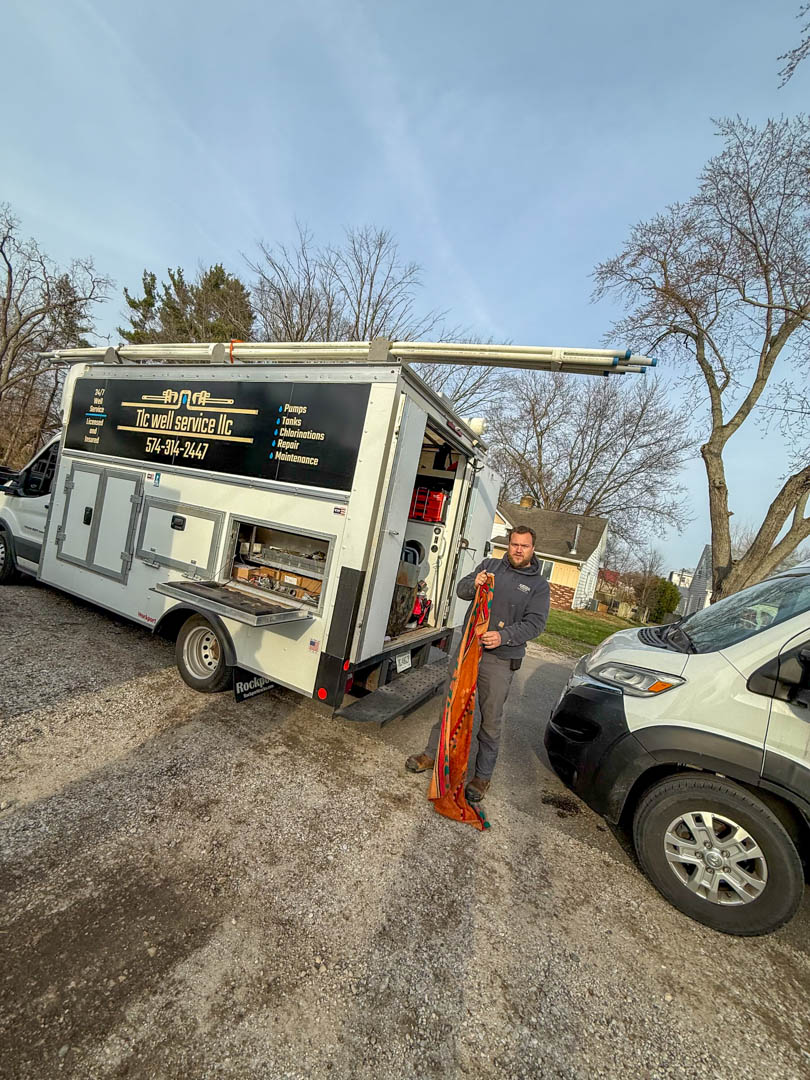
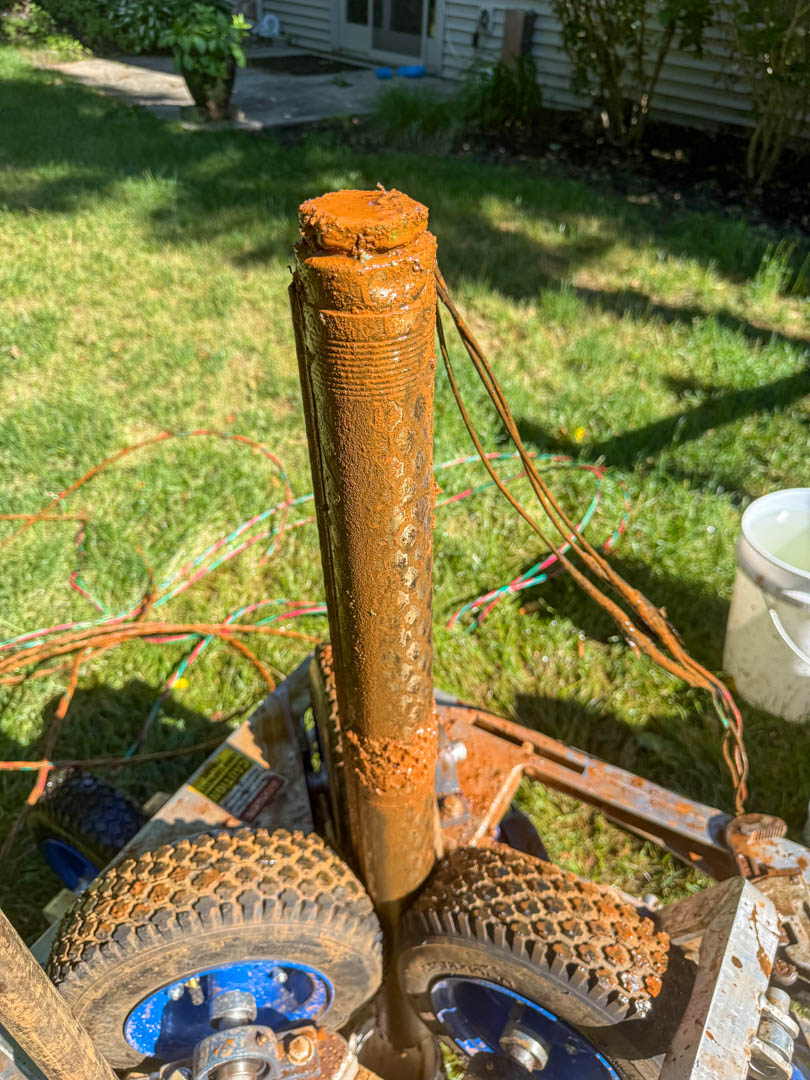
Indiana health officials recommend testing private well water at least annually. Test sooner after flooding, well work, a positive result, or a sudden change in color, clarity, taste, or odor.
Testing can provide useful answers when the water changes, the well has been disturbed, or you simply need an up-to-date picture of water quality.
Yearly testing helps track water quality even when the water has no obvious color, taste, or odor problem.
Cloudiness, sediment, staining, sulfur odor, metallic taste, or another new change deserves testing.
Test after flooding or runoff may have entered or surrounded the wellhead.
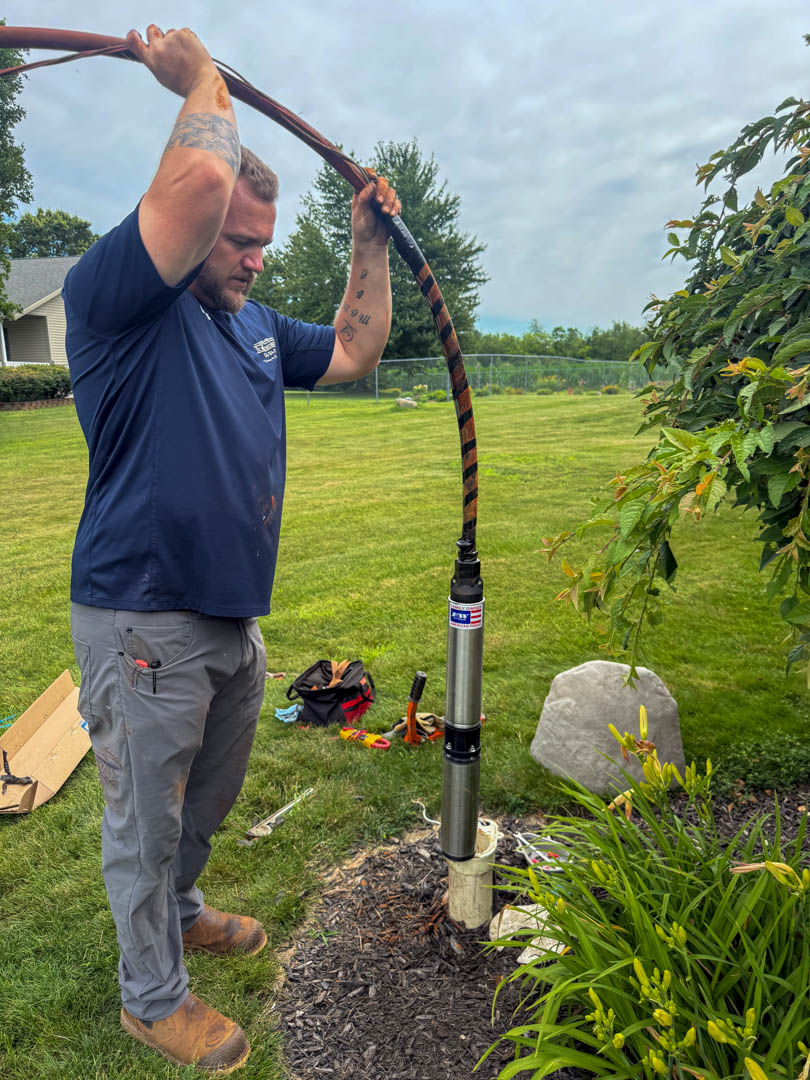
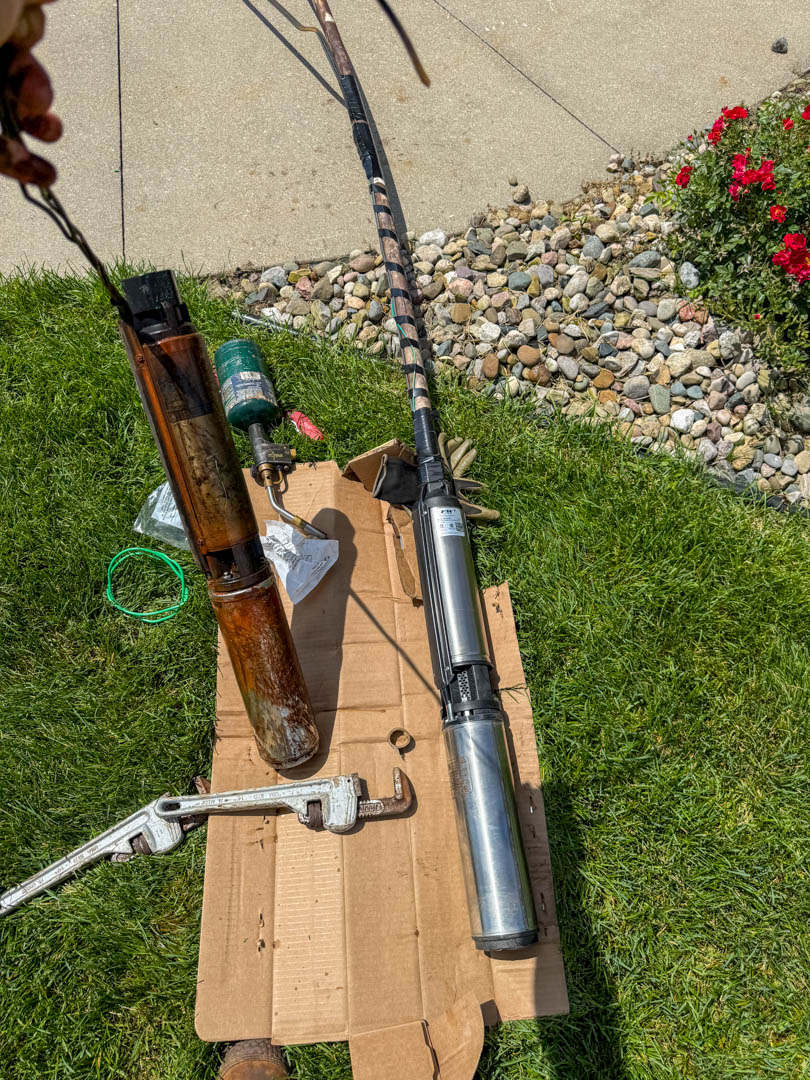
Well, pump, piping, or other system work may create a need for disinfection and follow-up testing.
Current results and a physical well inspection can clarify water quality and equipment condition before closing.
A health department, laboratory, lender, or property condition may call for additional tests beyond an annual panel.
Odor, color, taste, and staining are clues, but they cannot identify every water-quality concern. A certified laboratory can test for substances that are not visible.
TLC helps connect the testing process with the well and treatment equipment. If results identify a concern, the next step may involve the health department, a system repair, well disinfection, filtration, purification, or follow-up testing. The right response depends on the result—not guesswork.
Help following Indiana and local recommendations for a routine private-well water test.
Guidance for the tests Indiana recommends annually for private well water.
A testing plan based on odor, staining, sediment, taste, color, or another change in the water.
Testing guidance after flooding, well work, pump replacement, piping repairs, or disinfection.
A physical system review when pressure, pump behavior, wellhead condition, or equipment may be part of the concern.
Explore well inspectionsTest-informed filtration, softening, purification, or chlorination options when the results call for action.
Explore water treatmentShare whether this is routine, tied to a water change, needed after well work, or part of a home purchase.
Use certified-laboratory and health-department guidance to select the annual basics and any additional local or property-specific items.
Follow the laboratory’s bottle, faucet-preparation, timing, storage, and delivery instructions so the result is useful.
TLC can help connect the findings to inspection, repair, disinfection, treatment, or retesting while health questions remain with the laboratory or health department.
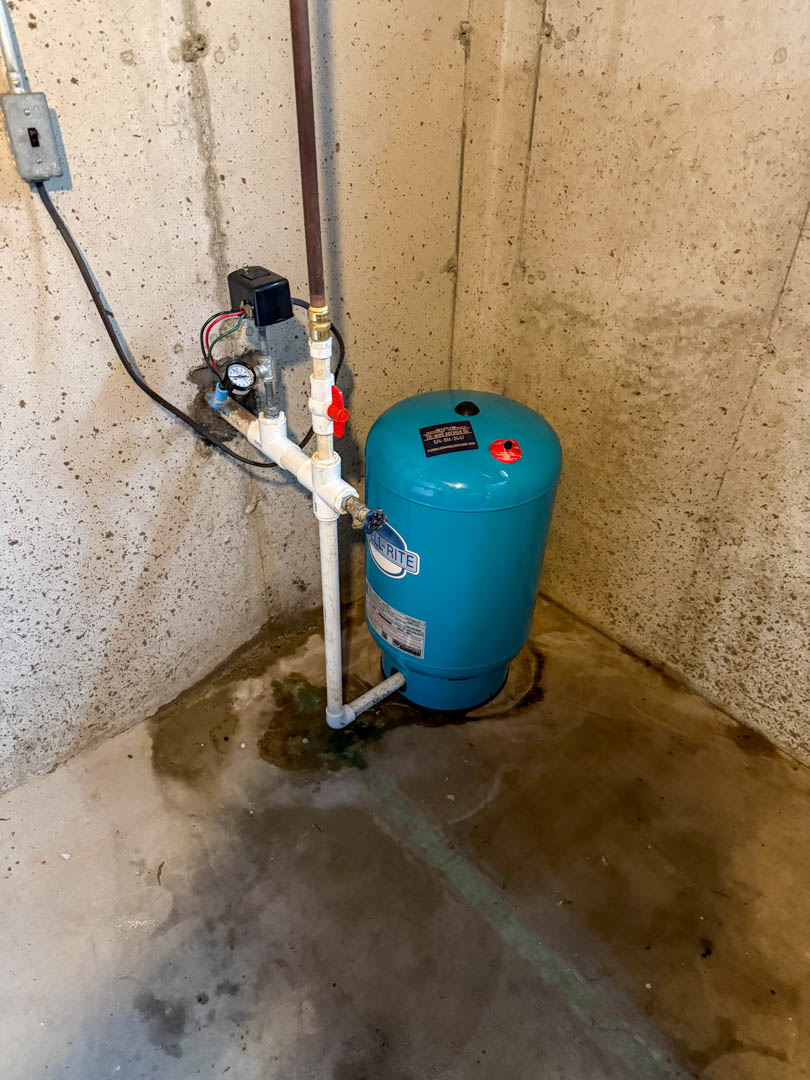
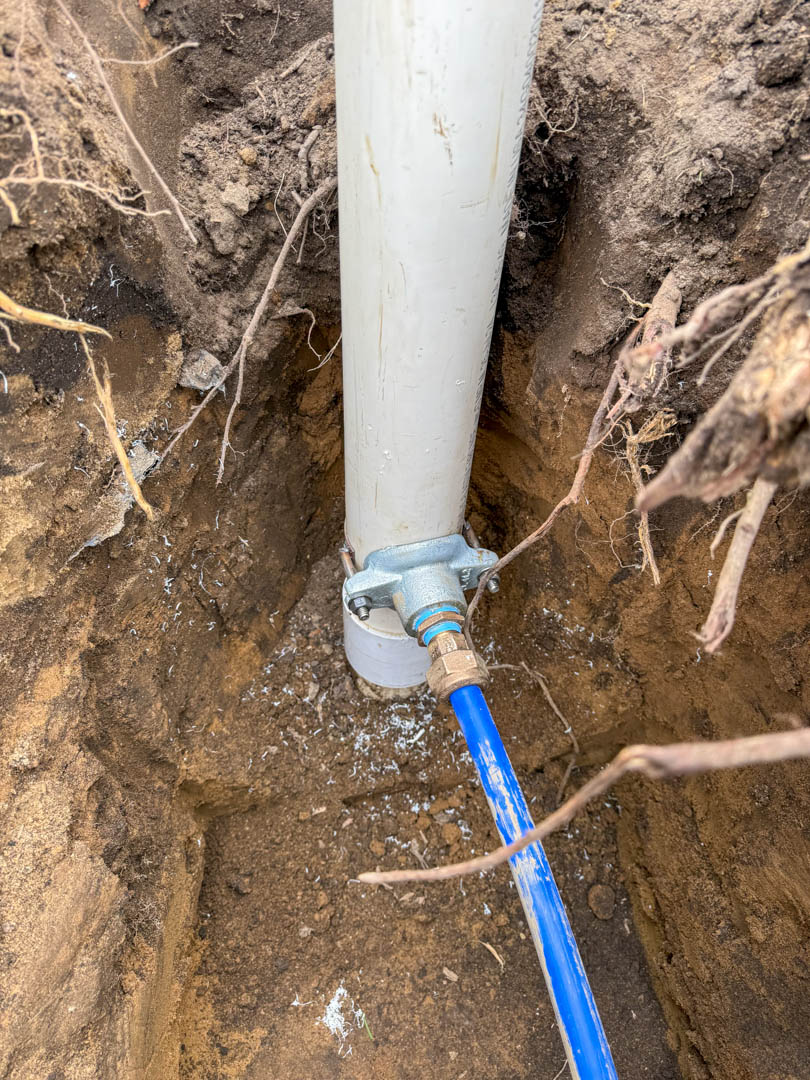
Pump problems, damaged connections, sediment, pressure changes, and treatment equipment can all affect what homeowners notice in their water.
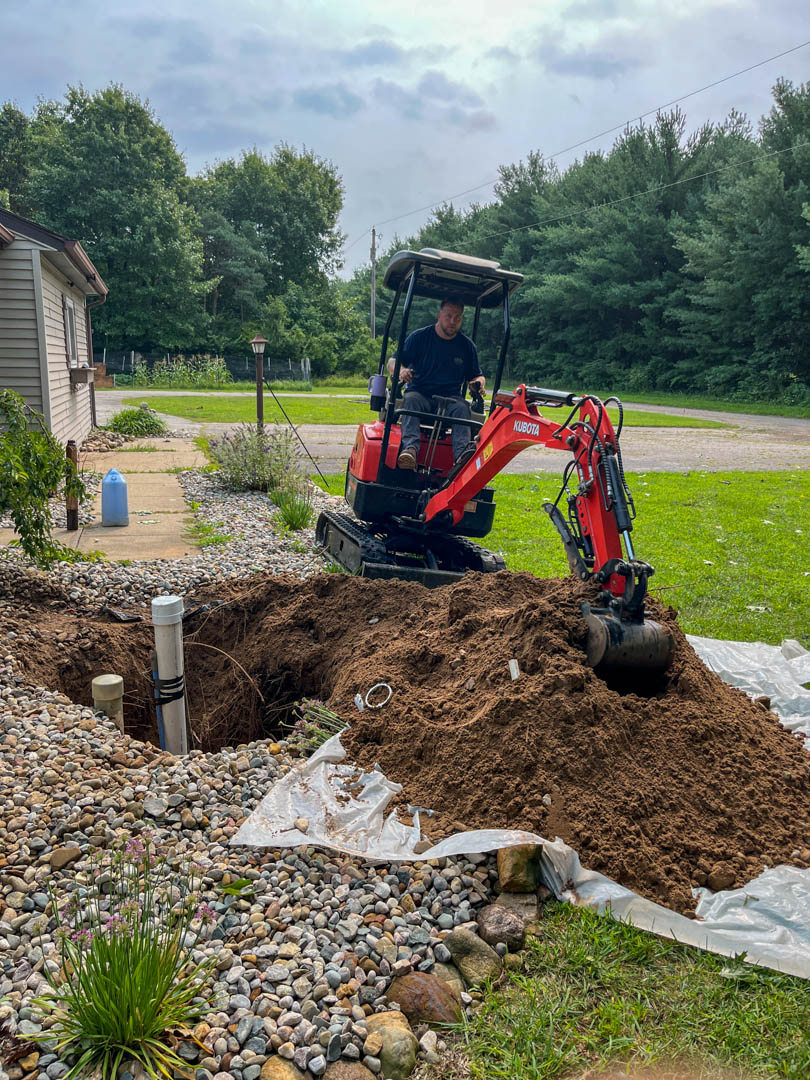
The Indiana Department of Health recommends testing at least annually. It specifically recommends annual bacteria and nitrate testing, with additional testing based on risk, results, well work, and local guidance.
Yes. Some germs and chemicals cannot be seen, smelled, or tasted. A certified laboratory test is the reliable way to check for them.
Indiana recommends annual bacteria and nitrate testing. The CDC also recommends annual total coliform, nitrate, total dissolved solids, and pH testing. Ask a certified laboratory or local health department what else fits your property.
Test after flooding, well or pump work, a positive result, or a sudden change in color, clarity, taste, or odor. Also follow any health-department or lender requirement.
No. Testing evaluates the water sample. An inspection evaluates the physical well system, pump, pressure equipment, controls, and visible condition.
Follow the laboratory or health department’s safety guidance. TLC can then help with appropriate well repair, disinfection, treatment, purification, or follow-up testing.
Contact TLC for private-well testing guidance, system inspection, and practical next steps based on your home and results.