How Often Should a Private Well Be Inspected in Indiana?
Quick answer: Private well owners should schedule a well check at least once a year, ideally in the spring, to look for mechanical problems, wellhead damage, pressure concerns, and signs that the system is not operating normally. Indiana homeowners should also test their private well water at least once each year and schedule additional inspection or testing after repairs, flooding, noticeable water changes, or home purchase decisions.
Is your private well due for a checkup?
TLC Well Service helps homeowners across South Bend, Elkhart, Mishawaka, Granger, Goshen, Nappanee, and surrounding Northern Indiana communities with professional well inspections, system troubleshooting, maintenance, and water-quality support.
Table of Contents
- Well inspection vs. water testing: what is the difference?
- How often should a private well be inspected?
- Why spring is a smart time for a well check
- A practical private well inspection schedule
- What should be checked annually?
- When should you schedule an extra inspection?
- How often should Indiana well water be tested?
- Warning signs that should not wait for your annual check
- How TLC Well Service can help
- Frequently asked questions
Owning a home with a private well gives you an independent water supply, but it also means you are responsible for caring for the system. A private well does not receive the routine monitoring that comes with a public water utility. The condition of the pump, pressure equipment, wellhead, electrical controls, treatment equipment, and water quality all matter.
That leads to a simple question many Indiana homeowners ask: how often should a private well be inspected?
The most practical answer is to make a yearly well check part of your home maintenance routine, then schedule additional service any time the system changes, water quality changes, or an event such as flooding or repairs creates added concern.
This article focuses on inspection timing and maintenance planning. For a complete overview of what inspectors evaluate during a visit, read TLC’s existing Water Well Inspections guide. For symptoms such as no water, low pressure, cloudy water, or pump cycling, visit the Home Well System Troubleshooting Guide.
Well inspection vs. water testing: what is the difference?
Well inspection and well water testing are closely related, but they are not the same service.
A well inspection looks at the condition and performance of the physical water system. A professional may examine the wellhead, cap, casing, pump operation, pressure tank, switch behavior, control equipment, visible plumbing concerns, pressure performance, and signs that repairs or maintenance may be needed.
Water testing looks at the quality of the water itself. Testing may identify bacteria, nitrate, pH, total dissolved solids, metals, minerals, odor-related concerns, or other substances that are not visible during a physical system review.
| Service | What it focuses on | Why it matters |
|---|---|---|
| Private well inspection | Wellhead, pump, pressure tank, controls, system operation, visible damage, performance concerns | Helps catch mechanical problems before they become a no-water emergency or larger repair |
| Well water testing | Bacteria, nitrate, pH, total dissolved solids, and additional water-quality concerns as appropriate | Helps confirm the drinking water is being monitored for safety and changing conditions |
| Combined annual review | System condition plus current water-quality testing | Gives homeowners a clearer picture of both reliability and drinking-water quality |
How often should a private well be inspected?
A private well should be checked at least once a year for signs of mechanical trouble, damage, changing performance, or maintenance needs. The CDC specifically recommends checking a well every spring to make sure there are no mechanical problems.
Annual inspection timing makes sense because a private well system works throughout the year under changing conditions. Seasonal groundwater changes, spring runoff, summer water demand, storm events, freezing temperatures, aging components, and treatment equipment maintenance can all affect performance over time.
A yearly well check can help identify concerns such as:
- a damaged or poorly sealed well cap
- standing water or poor drainage near the wellhead
- pressure tank or pressure switch concerns
- unusual pump cycling
- declining pressure or flow
- visible leaks or corrosion
- treatment equipment that needs service
- reasons to schedule water testing or additional diagnosis
Routine inspections do not guarantee that a component will never fail. They do help you notice developing issues before the first sign becomes a sudden loss of water.
Why spring is a smart time for a well check
Spring is a practical time to evaluate a private well because winter conditions have passed and seasonal rain or runoff can reveal new problems around the well area. A spring inspection gives homeowners time to address repairs, pressure issues, or water-quality concerns before heavier summer water use begins.
A spring review is especially useful for checking:
- the well cap and above-ground visible components after winter weather
- the area around the wellhead for pooling water or drainage concerns
- pressure performance before summer lawn, garden, or household demand rises
- filters and treatment equipment that may be due for service
- annual water testing needs
TLC’s South Bend well-service content also recommends scheduling annual flow, pressure, and water-quality testing in March or April before summer demand increases.
A practical private well inspection schedule
Private well care is easier when you build it into a simple yearly schedule instead of waiting for a breakdown.
Schedule an annual well system check
Review mechanical performance, visible wellhead condition, pressure behavior, pump cycling, leaks, and other signs of wear or damage.
Test private well water
Indiana health guidance recommends at least annual private well testing. Core annual testing commonly includes bacteria, nitrate, pH, and total dissolved solids.
Recheck the system and water
After pump, wellhead, piping, or other well system work, ask if follow-up inspection, disinfection, or water testing is needed.
Act before drinking normally
If flooding reaches or affects the well, use a safe drinking-water source until the system has been evaluated and the water confirmed safe.
Inspect before ownership changes
Buyers and sellers benefit from knowing system condition, water quality, treatment equipment needs, and any repair recommendations before closing.
Schedule diagnosis promptly
No water, low pressure, rapid cycling, dirty water, bad odor, or visible damage are reasons to call before the issue grows.
What should be checked annually?
An annual private well review should help you understand how the system is performing, spot visible concerns, and decide if service or additional testing is needed. The exact inspection scope depends on the property and system, but several areas deserve consistent attention.
Wellhead condition
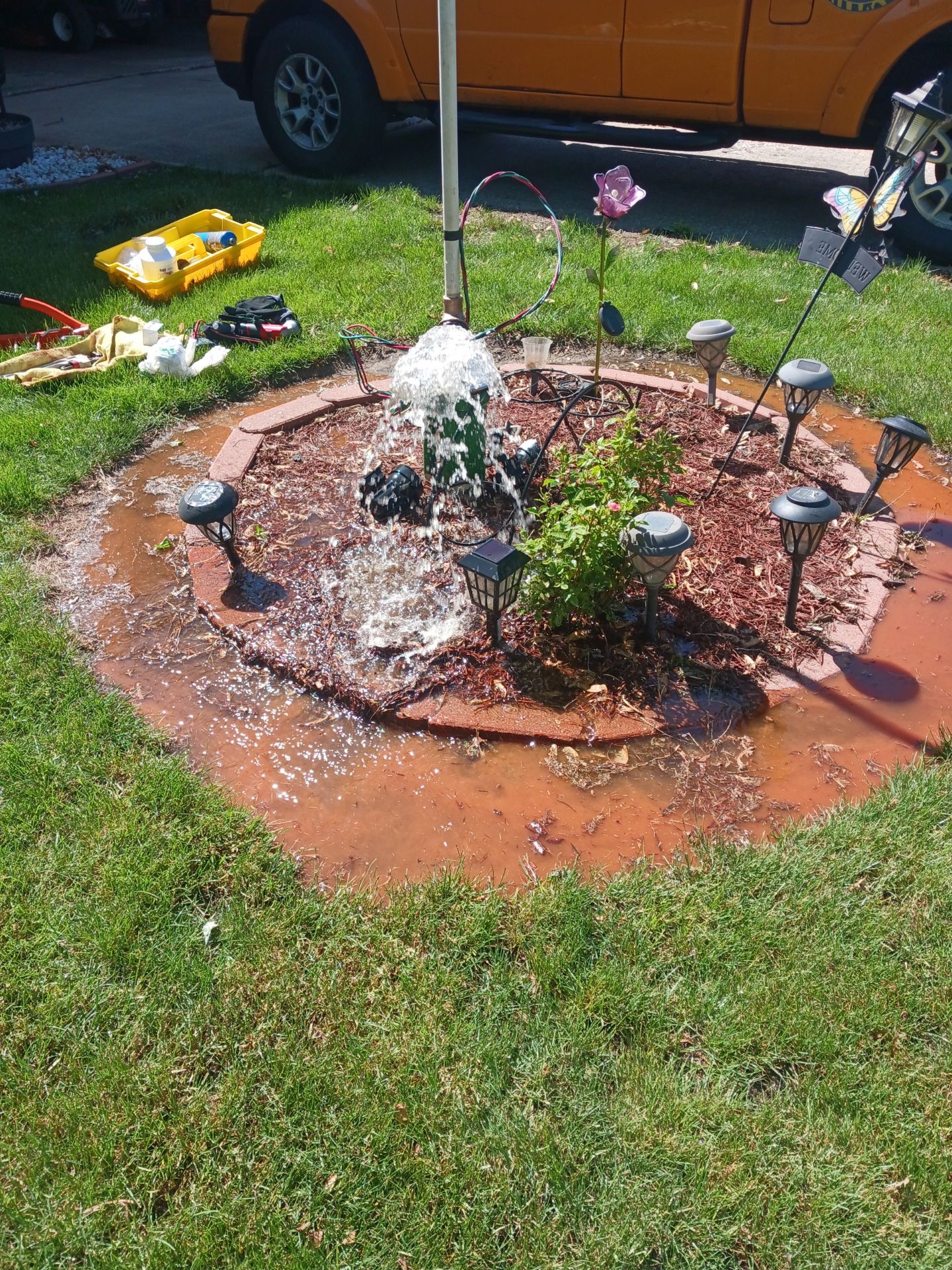
Look for visible damage, loose or cracked components, standing water nearby, drainage issues, or conditions that could let surface material reach the well area.
Pump performance
Check for poor flow, longer run times, strange sounds, difficulty building pressure, or other signs that the pump may need professional evaluation.
Pressure tank and switch
Pressure swings, short cycling, leaks, rapid clicking, or changing gauge behavior can point to tank or switch concerns.
Visible plumbing and equipment
Corrosion, leaks, damaged fittings, wet areas, or aging equipment may be early signs that service is needed.
Treatment equipment
Sediment filters, softeners, iron filters, purification systems, and other equipment need maintenance to keep working properly.
Water quality changes
Odor, staining, cloudy water, sediment, unpleasant taste, or color changes should lead to water testing and appropriate diagnosis.
For a deeper explanation of inspection components and service expectations, visit TLC’s Water Well Inspections page. For common symptoms that homeowners notice between visits, read the well system troubleshooting guide.
When should you schedule an extra inspection?
A yearly inspection is a strong baseline, but some situations should prompt a service visit sooner. Your well does not follow a calendar when a problem begins.
After flooding or storm-related damage
Floodwater and heavy runoff can affect private wells and create contamination concerns. If water reaches the wellhead, the well area floods, or storm damage affects visible components, schedule professional guidance and testing promptly.
After repairing or replacing well components
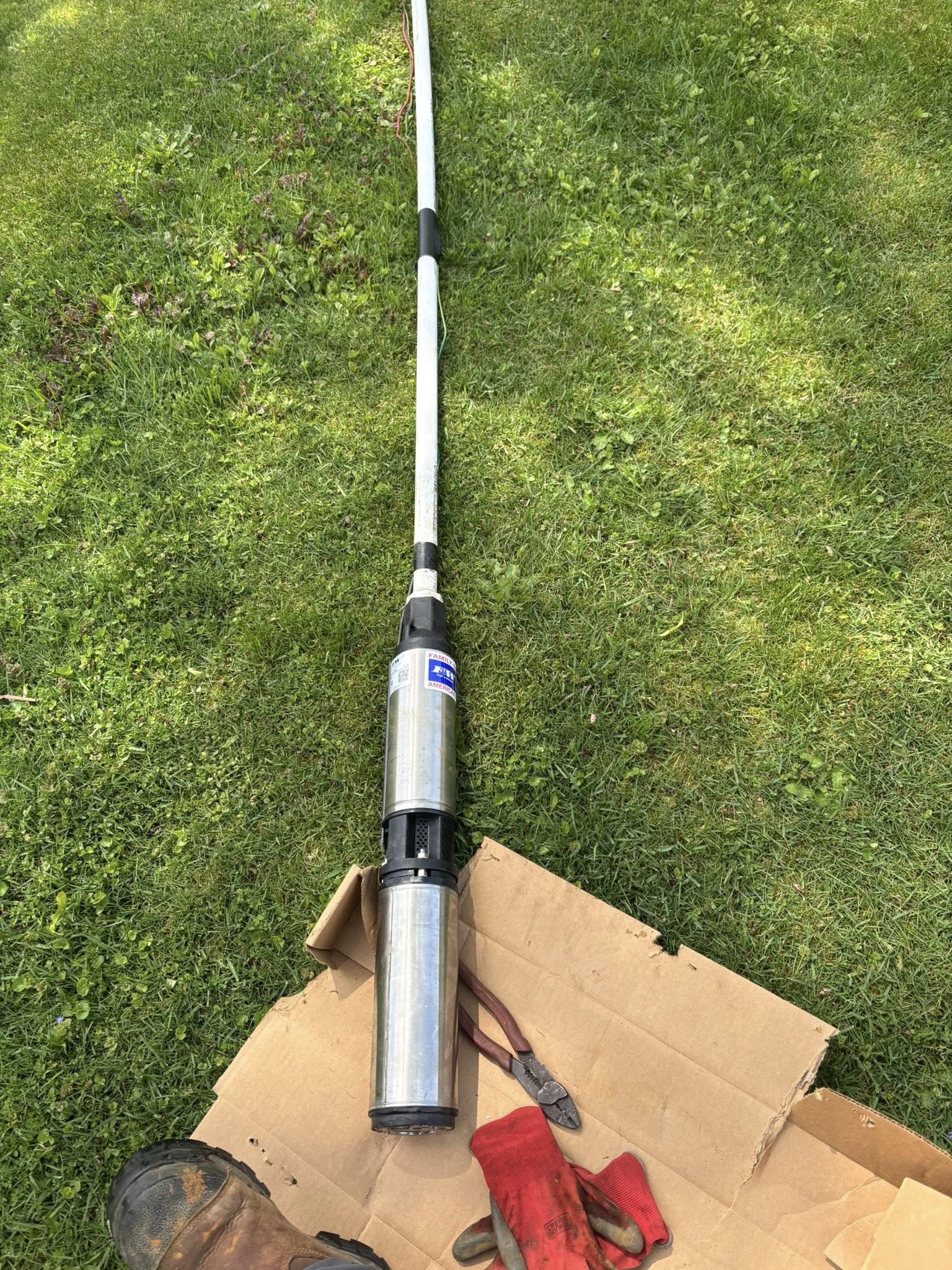
Work involving the pump, well cap, casing, piping, controls, pressure equipment, or other connected components may create a need for follow-up inspection or water testing. The CDC recommends testing after any part of a well system is repaired or replaced.
Before buying or selling a home with a well
A home transaction is an important time to document the condition of the water system. An inspection and water test can identify pressure problems, treatment needs, water-quality concerns, or repair recommendations before closing.
After noticeable changes in water quality
If water suddenly becomes cloudy, orange, brown, yellow, metallic-tasting, or sulfur-smelling, schedule testing and system review. A visible or noticeable change is your signal to gather real information before selecting treatment.
After a change in water pressure or pump behavior
Weak showers, pressure surges, faucets spitting air, a pump that cycles too often, unusual sounds, or unexplained increases in pump activity may point to developing mechanical concerns.
Do not wait for a total breakdown
Routine inspections and timely service can help catch problems earlier, protect your water system, and reduce the chance of waking up to a no-water emergency.
How often should Indiana well water be tested?
The Indiana Department of Health recommends, at minimum, annual testing of private wells because water quality can change over time. The CDC also recommends testing private well water at least once each year for total coliform bacteria, nitrates, total dissolved solids, and pH.
TLC’s local well-testing guide for Elkhart County and St. Joseph County outlines an annual baseline that includes:
- total coliform and E. coli
- nitrate
- pH
- total dissolved solids
Additional testing may be appropriate based on past test results, local conditions, property history, nearby land use, symptoms, or water-quality concerns such as staining, sulfur odor, hardness, iron, manganese, or metals.
| Testing moment | Why it matters | Helpful next step |
|---|---|---|
| Once every year | Creates a baseline and identifies changing water-quality conditions. | Schedule annual testing using a certified drinking-water laboratory. |
| After flooding or runoff concerns | Surface water can introduce bacteria or other contaminants near the well. | Use a safe drinking-water source until the well has been evaluated and water confirmed safe. |
| After repairs or component replacement | System work can create a reason to confirm water safety after service. | Ask about testing and any needed disinfection steps. |
| After taste, color, or smell changes | Noticeable changes can signal contamination, mineral issues, or treatment concerns. | Test before choosing a repair or treatment plan. |
| During a home purchase or sale | Provides current information about the property’s drinking water supply. | Pair testing with a professional well inspection. |
For more detail, visit TLC’s Well Water Testing in Elkhart County and St. Joseph County resource.
Warning signs that should not wait for your annual check
Some problems should be addressed as soon as they appear. Call for professional service if you notice:
- no water from any faucet
- a sudden or major drop in water pressure
- a pump that turns on and off rapidly
- unusual clicking, humming, grinding, or buzzing from well equipment
- cloudy, sandy, orange, brown, or yellow water
- a sulfur odor or new metallic taste
- standing water, damage, or drainage issues around the wellhead
- water-quality concerns after flooding or system repairs
- treatment equipment that is no longer keeping up with the problem
These symptoms can point to pump issues, pressure tank problems, contamination concerns, filtration needs, or other conditions that should be identified before they become more expensive or disruptive.
How TLC Well Service can help
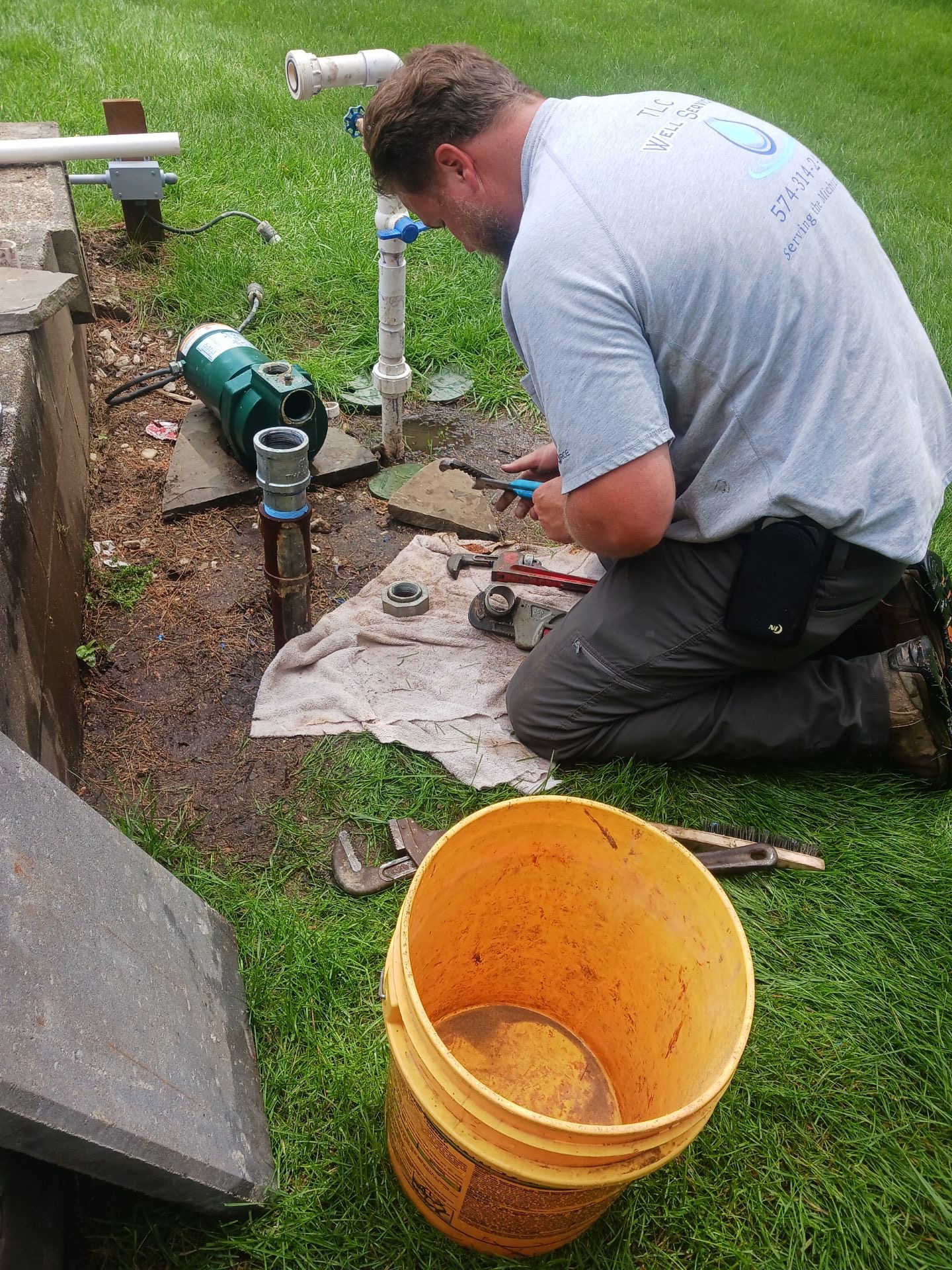
TLC Well Service provides professional well inspections, maintenance, repairs, water testing support, tank service, and water-quality solutions for homeowners throughout Northern Indiana.
If your well is operating normally, an annual inspection and testing schedule can help you stay ahead of changing conditions. If your system is already showing warning signs, TLC can inspect the issue, explain what is happening, and recommend the next practical step for your home.
TLC supports homeowners in South Bend, Elkhart, Mishawaka, Granger, Goshen, Nappanee, and surrounding communities with:
- private well inspections
- routine well maintenance
- well water testing guidance
- pump and pressure tank service
- water-quality troubleshooting
- water purification options
- emergency help for urgent no-water problems
Start with water well inspections for a detailed inspection overview, visit professional well services for repair and maintenance help, or contact TLC directly to schedule a visit.
Schedule your private well check with TLC
A reliable water system starts with regular attention. Contact TLC Well Service for professional well inspection, maintenance, testing support, and clear guidance for your Northern Indiana home.
Frequently asked questions
How often should a private well be inspected in Indiana?
A private well should be checked at least once a year for visible and mechanical concerns, with spring being a practical time for a routine review. Schedule additional inspection after repairs, flooding, a home purchase, or changes in system performance.
How often should Indiana private well water be tested?
The Indiana Department of Health recommends at least annual testing for private wells. The CDC recommends annual testing for total coliform bacteria, nitrates, total dissolved solids, and pH.
Is a well inspection the same as water testing?
No. A well inspection reviews the physical system and its performance. Water testing evaluates the quality of the water itself. Both are important parts of responsible private well ownership.
Should I schedule an inspection after my well pump is repaired?
After well system repairs, ask about follow-up checks and water testing. The CDC recommends testing after any part of a well system is repaired or replaced.
Should I inspect a private well before buying a home?
Yes. A professional inspection and current water test can help you understand equipment condition, water quality, treatment needs, and likely maintenance concerns before closing.
What signs mean I should call before my annual inspection is due?
No water, low pressure, rapid cycling, unusual sounds, discolored water, new odors, storm damage, flooding exposure, or visible leaks are all reasons to schedule professional help promptly.
Final takeaway
A private well should not be a system you only think about when the water stops. For Indiana homeowners, a smart schedule includes an annual well check, annual water testing, and additional service any time repairs, flooding, water-quality changes, pressure issues, or home purchase decisions create a reason for closer review.
Regular attention helps protect your drinking water, your equipment, and your confidence in the system your household uses every day.
Ready to schedule your annual well inspection?
TLC Well Service provides trusted local help for private well inspections, maintenance, repairs, water testing support, and purification solutions across Northern Indiana.