



The property suddenly has no water
The cause may be the power, controls, pump, tank, water line, or well. TLC checks the system before replacing parts.
If your Walkerton-area home has no water, weak pressure, pump trouble, or water that looks or smells different, TLC can help. We find the cause and take care of the repair.
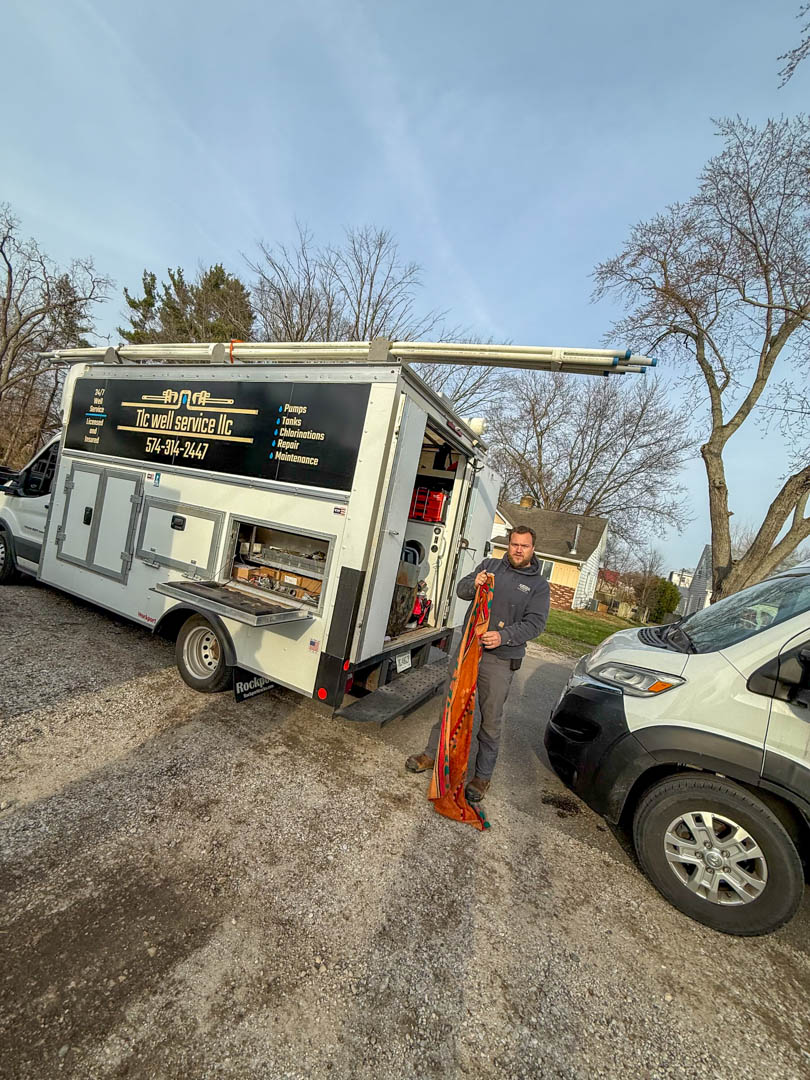
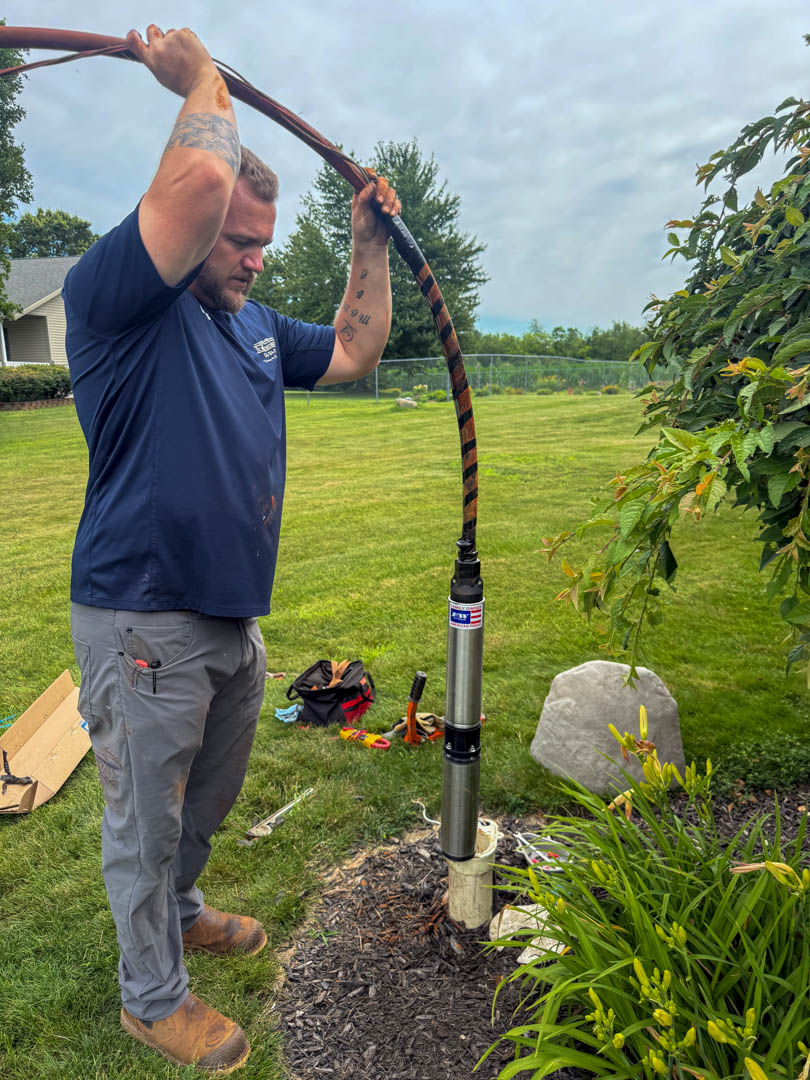
Have your private well checked every year. If you have noticed any change in pressure, cycling, sound, color, taste, or odor, schedule an inspection sooner so a developing issue can be addressed before it becomes a larger failure.
From the well outside to the pressure equipment inside, TLC checks and repairs the parts that keep water moving through your home.
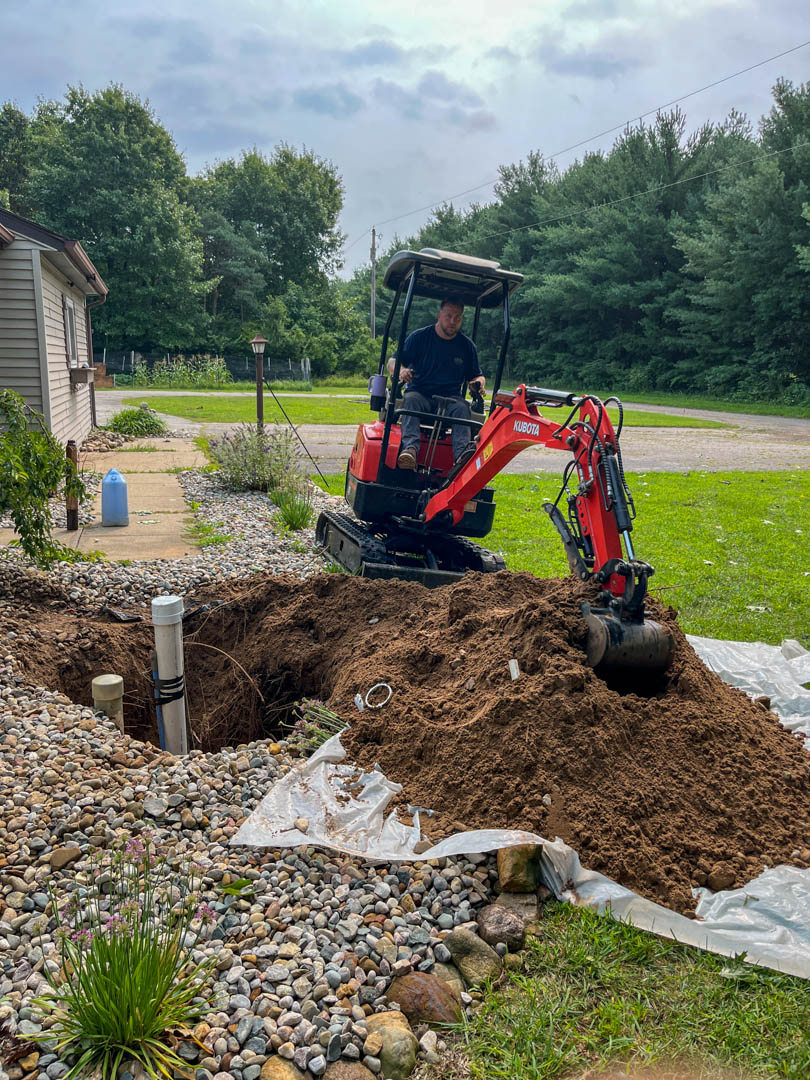
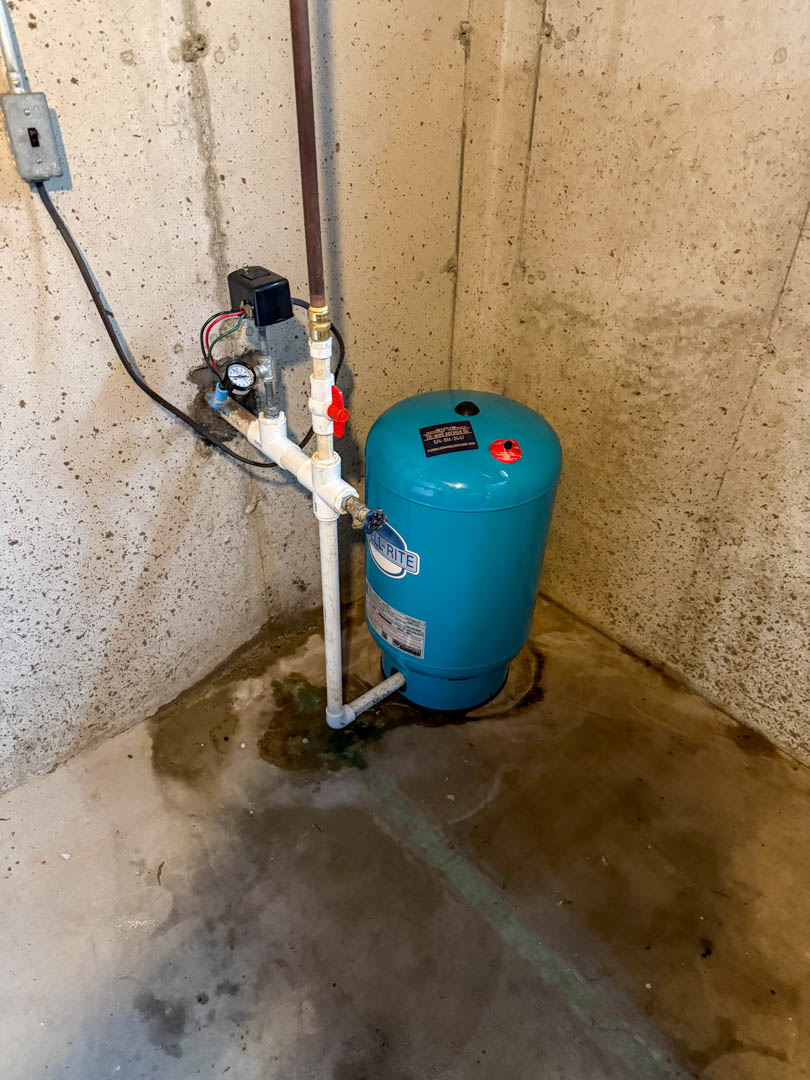
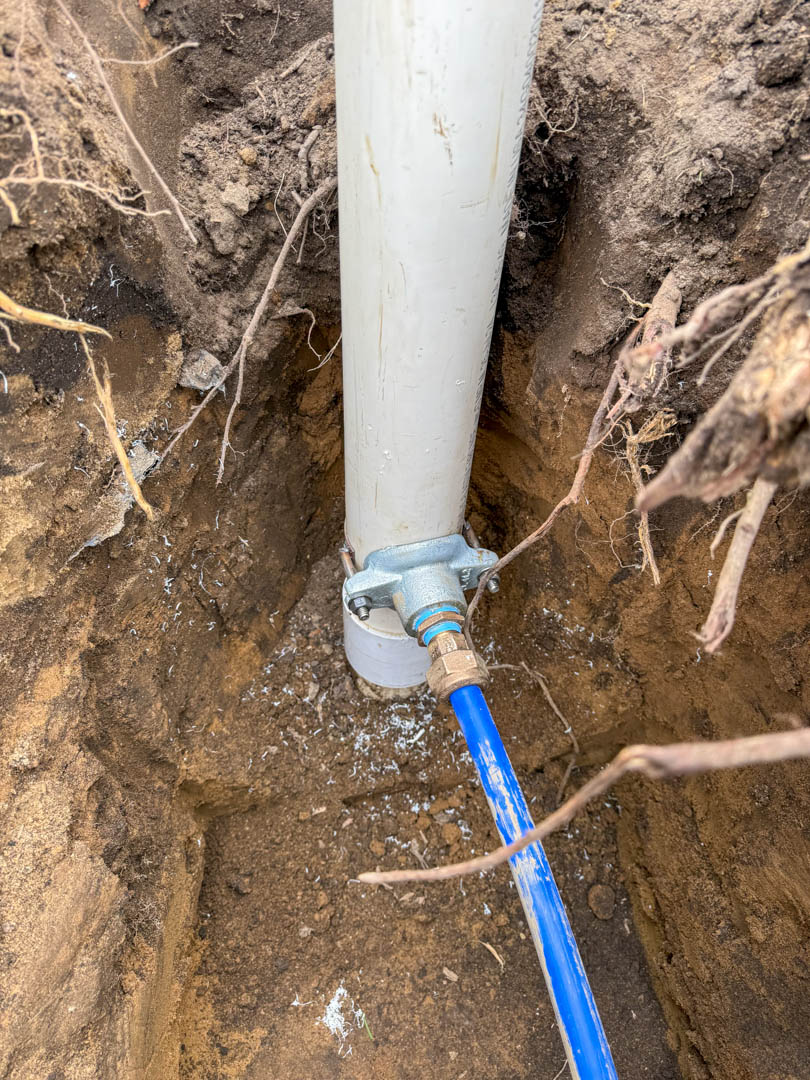
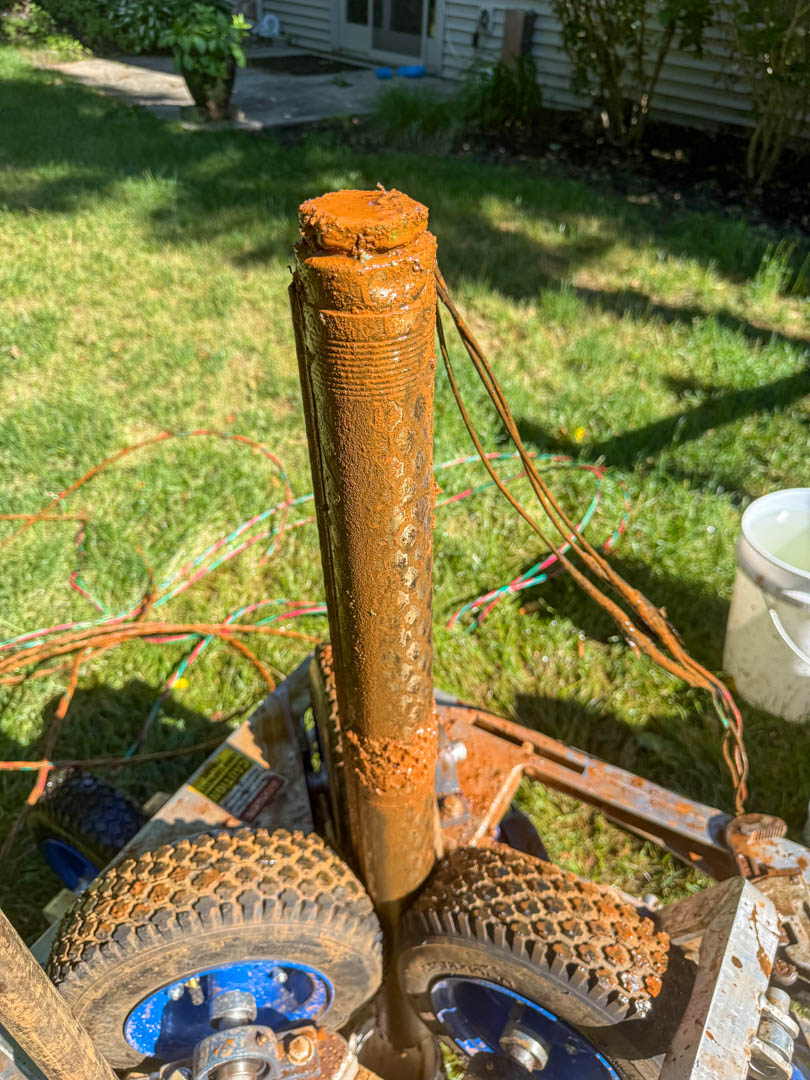
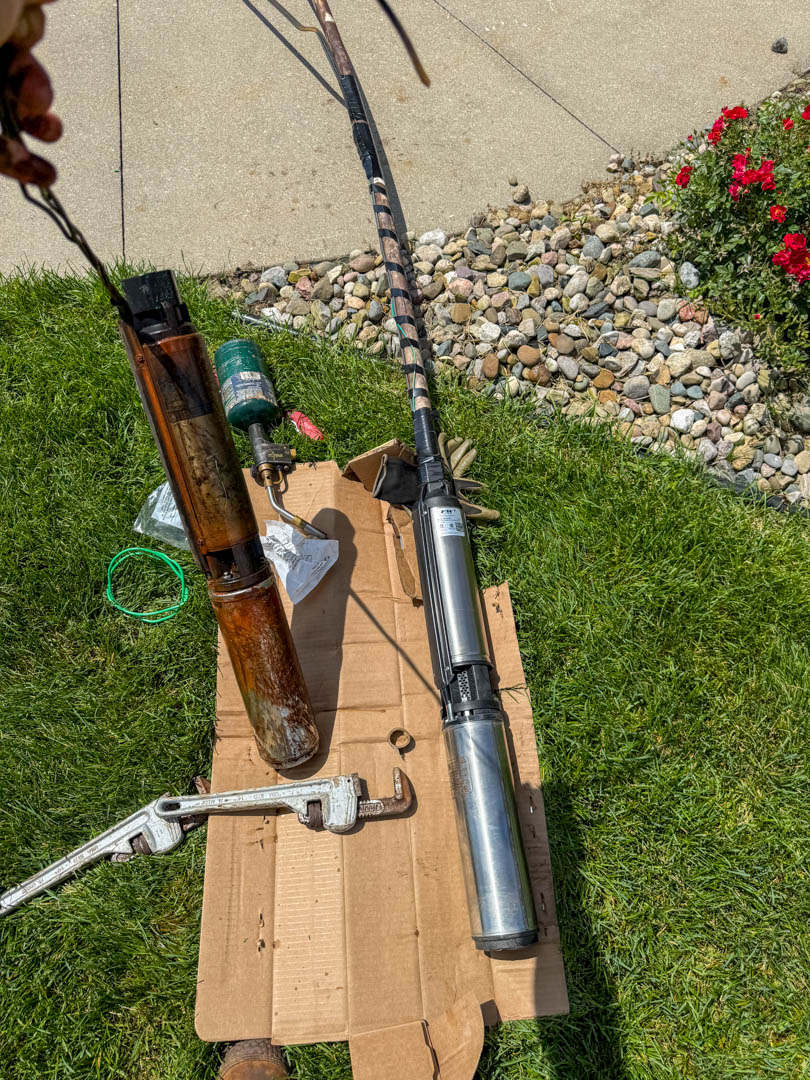
A well may serve the house, barn, shop, hydrants, or outdoor water. Weak pressure can come from the pump, tank, controls, long pipes, or a hidden leak.
Walkerton-area properties may have long drives, several buildings, and equipment exposed to freezing or soft ground. TLC considers how the whole property uses water during the check.
Tests show whether the problem is a failed part, a water-line issue, or a system that cannot keep up with demand. TLC explains the result and the best next step.
Notice when and where the problem happens. TLC will use those clues to find the cause.
The cause may be the power, controls, pump, tank, water line, or well. TLC checks the system before replacing parts.
Long pipes, hills, valves, leaks, and heavy use can reduce pressure. TLC checks the branch and the main well system.
A hidden leak, hydrant, livestock waterer, switch, or valve may be causing the pump to run.
Irrigation, tank filling, or livestock use may be more than the pump, tank, pipes, or well can handle at once.
Sand or grit may come from the well, pipes, or treatment equipment. TLC can check the system and help plan testing.
Water can change while sitting in pipes, the water heater, filters, or the well. Compare hot and cold water and arrange testing if the odor stays.
TLC uses four clear steps to find the problem anywhere on the property.
TLC asks when the trouble started and whether it affects the home, barn, shop, or outdoor water.
The technician checks the pump, tank, switch, controls, pipes, and any lines serving other buildings.
Tests show whether the trouble comes from worn equipment, a leak, a blocked line, or the well.
TLC explains the cause, reviews the repair choices, and completes the work needed to restore water.
TLC handles emergency repairs, pumps, tanks, well heads, water lines, inspections, maintenance, and water treatment.
TLC responds when the home or property loses water. We check the pump, controls, tank, power, and water lines.
See no-water serviceTLC repairs pumps that stop, run too long, lose pressure, or trip a breaker. We can also replace a worn pump.
Explore well pump serviceTLC repairs tanks, switches, and controls that cause surging or fast cycling. Constant-pressure upgrades are also available.
Explore water-tank serviceTLC repairs well heads and long water lines damaged by leaks, freezing, age, digging, or shifting soil.
Explore well repairAnnual checks and buyer inspections can catch worn parts, leaks, and pressure problems before water stops.
Explore well inspectionsTLC helps with testing, purification, filters, softeners, and chlorination when the water looks, smells, or tastes different.
Explore well water testingTell TLC what the water and pump do during normal use. You do not need to diagnose the problem.
Notice whether the change reaches the home, barn, shop, hydrants, livestock waterers, or only one branch of the system.
Note whether the failure appears during chores, laundry, showers, watering, or after long idle periods.
Listen for frequent starts, long run times, clicking, humming, or silence when the system would normally be building pressure.
Think about freezing, storms, digging, plumbing work, heavy outdoor use, or a leak before the problem started.
Yes. TLC responds to urgent well failures within its coverage area, including no water, pump problems, pressure collapse, and uncontrolled cycling. Call (574) 314-2447 and describe what the system did before it stopped.
A long branch line can lose pressure because of pipe size, elevation, a partially closed valve, leakage, freezing, or simultaneous demand. TLC can compare the branches and test how the pump and tank respond before recommending a major equipment change.
TLC can use pressure behavior, cycling patterns, visible inspection, and branch isolation to narrow where water is leaving the system. Some buried-line leaks require additional locating or excavation, but the system tests provide a sound starting point.
Water may be leaving through a concealed leak, hydrant, livestock device, check-valve problem, or another connected use. A control fault or pressure loss can also cause starts. Isolating branches and observing pressure helps locate the cause.
Many wells do, but the pump, tank, pipes, and well must keep up with the total water use. TLC can test the system and explain whether you need a repair or a larger plan.
Schedule a system check and water test each year. Test again after flooding, major well work, or a clear change in taste, odor, color, or clarity.
Tell TLC what changed and where the problem appears. We will find the cause, explain the repair, and help get water flowing again.