
Table of Contents
- What Is Well Testing and Why Does It Matter?
- When Should You Schedule Well Testing in South Bend?
- Common Contaminants Found in South Bend Wells
- The Well Testing Process: What to Expect
- Understanding Your Well Testing Results
- Treatment Solutions for Contaminated Well Water
- Choosing the Right Well Testing Service in South Bend
When it comes to protecting your family’s health and ensuring safe drinking water, well testing in South Bend is not just recommended—it’s essential. As a homeowner relying on private well water, you’re responsible for monitoring your water quality, unlike city residents whose water is regularly tested by municipalities.
South Bend’s unique geological characteristics and agricultural surroundings create specific water quality challenges that make regular well testing crucial. From naturally occurring minerals to potential agricultural runoff, understanding what’s in your water is the first step toward maintaining a safe and reliable water supply.
At TLC Well Service, we’ve been helping South Bend homeowners ensure their well water is safe for over two decades. In this comprehensive guide, we’ll walk you through everything you need to know about well testing, from when to test to what contaminants to watch for.
What Is Well Testing and Why Does It Matter?
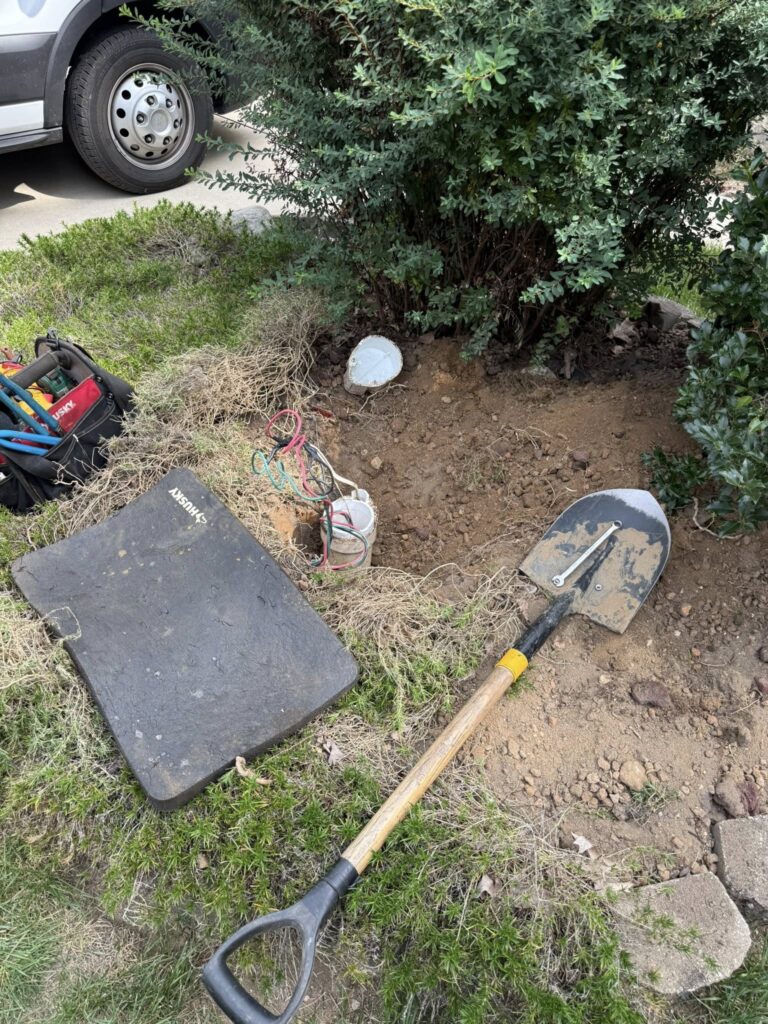
Well testing in South Bend involves analyzing your water for various contaminants, including bacteria, nitrates, heavy metals, and other potentially harmful substances. Unlike municipal water systems that are regulated by the EPA, private well owners are responsible for ensuring their water meets safety standards.
The importance of regular testing cannot be overstated. Many water contaminants are invisible, tasteless, and odorless, making them impossible to detect without proper laboratory analysis. According to the Centers for Disease Control and Prevention, private well water should be tested at least once per year for total coliform bacteria, nitrates, total dissolved solids, and pH levels.
Health Risks of Untested Well Water
Contaminated well water can pose serious health risks, particularly for vulnerable populations including infants, pregnant women, elderly individuals, and those with compromised immune systems. Bacterial contamination can cause gastrointestinal illness, while high nitrate levels are particularly dangerous for infants, potentially leading to “blue baby syndrome.”
Heavy metals like lead and arsenic can accumulate in the body over time, leading to developmental issues, organ damage, and increased cancer risk. That’s why establishing a regular well testing schedule is one of the most important investments you can make in your family’s health.
When Should You Schedule Well Testing in South Bend?
While annual testing is the baseline recommendation, certain circumstances warrant more frequent well testing in South Bend. Understanding when to test your well can help you catch potential problems before they affect your family’s health.
Annual Testing Requirements
Every well should be tested at least once annually for basic parameters. This baseline testing should include coliform bacteria, nitrates, total dissolved solids, and pH levels. Spring is often an ideal time for testing, as it follows the winter thaw when contaminants may be more likely to enter your well system.
When Immediate Testing Is Necessary
Certain situations require immediate well testing, regardless of your regular schedule:
Changes in water appearance, taste, or odor: Any noticeable change in your water’s characteristics could indicate contamination. Even if the water looks clear, unusual tastes or smells warrant immediate testing.
After flooding or natural disasters: Heavy rainfall or flooding can introduce surface contaminants into your well system. South Bend’s proximity to the St. Joseph River means flooding can occasionally impact local wells.
Following well repairs or modifications: Any time your well system is opened or modified, testing should be conducted to ensure no contamination occurred during the work. Our well service team always recommends post-repair testing.
Nearby land use changes: If new construction, agricultural activities, or industrial operations begin near your property, increased testing frequency is wise.
Unexplained illnesses: If household members experience recurring gastrointestinal issues or other unexplained health problems, your well water should be tested immediately.
For more information on maintaining your well system, check out our guide on the importance of regular well maintenance.
Common Contaminants Found in South Bend Wells

Understanding the specific contaminants that affect well testing in South Bend helps homeowners know what to test for and why. Northern Indiana’s geology and land use patterns create unique water quality concerns.
Bacterial Contamination
Coliform bacteria, including E. coli, are among the most common and concerning contaminants in private wells. These bacteria indicate the possible presence of disease-causing organisms. Bacterial contamination often occurs through surface water infiltration, improperly sealed well caps, or cracked well casings.
Our article on how to detect and address bacterial contamination provides detailed information on this critical issue.
Nitrates and Nitrites
Nitrate contamination is particularly prevalent in agricultural areas surrounding South Bend. These compounds come primarily from fertilizer runoff, septic systems, and animal waste. High nitrate levels are especially dangerous for infants and pregnant women.
The Environmental Protection Agency sets the maximum contaminant level for nitrates at 10 mg/L for drinking water.
Heavy Metals
Lead, arsenic, and other heavy metals can leach into well water from natural geological formations or old plumbing components. Lead is particularly concerning because it can cause developmental delays in children and cardiovascular problems in adults.
Arsenic occurs naturally in some South Bend area bedrock and can contaminate wells drilled into certain geological formations. Long-term arsenic exposure increases cancer risk and can cause skin discoloration and other health issues.
Hard Water Minerals
While not typically health hazards, calcium and magnesium create “hard water” that damages plumbing, reduces appliance efficiency, and leaves unsightly stains. Many South Bend wells produce hard water due to the region’s limestone bedrock.
Learn more about managing this issue in our guide on removing iron and hard minerals from well water.
Iron and Manganese
These naturally occurring minerals are common in South Bend wells. While not dangerous at typical concentrations, they cause metallic tastes, staining on fixtures and laundry, and can support bacterial growth in plumbing systems.
The Well Testing Process: What to Expect
Understanding the well testing in South Bend process helps homeowners prepare and ensures accurate results. Professional testing involves several important steps from sample collection to laboratory analysis.
Sample Collection Methods
Proper sample collection is critical for accurate results. Samples must be collected using sterile containers and specific techniques to prevent contamination. For bacterial testing, samples should be collected from a tap without aerators or filtration devices, and the tap should be disinfected before collection.
Professional well service technicians follow strict protocols for sample collection. The TLC Well Service team uses certified sampling procedures to ensure your test results accurately reflect your water quality.
Laboratory Analysis
Samples are sent to certified laboratories that use standardized testing methods. Basic tests typically include:
Coliform bacteria testing: Results are usually available within 24-48 hours.
Chemical analysis: Testing for nitrates, heavy metals, and other contaminants may take several days to a week.
Comprehensive mineral analysis: Complete water chemistry profiles provide detailed information about all dissolved substances in your water.
Testing Costs and Packages
Well testing costs vary depending on the comprehensiveness of the analysis. Basic bacterial and nitrate testing typically costs between $50-100, while comprehensive testing including heavy metals and full mineral analysis may range from $150-400.
Many well service providers, including TLC Well Service, offer testing packages tailored to South Bend’s specific water quality concerns, ensuring you get the most relevant information for your investment.
Understanding Your Well Testing Results

Once your well testing in South Bend is complete, interpreting the results correctly is essential for taking appropriate action. Laboratory reports can seem complex, but understanding key indicators helps you make informed decisions about your water quality.
Reading Your Laboratory Report
Laboratory reports list each tested parameter, the detected level, and the maximum contaminant level (MCL) or secondary standard. Results are typically marked as “detected” or “not detected” for bacteria, and numerical values are provided for chemical contaminants.
Pay special attention to any results that exceed recommended limits. Even parameters within acceptable ranges but approaching the MCL may warrant monitoring through more frequent testing.
Common Test Parameters Explained
Total Coliform: Should be absent from drinking water. Any positive result requires follow-up testing and corrective action.
E. coli: Indicates fecal contamination and requires immediate action. Never drink water that tests positive for E. coli.
Nitrate-Nitrogen: Should be below 10 mg/L. Higher levels indicate fertilizer or sewage contamination.
pH: Ideal range is 6.5-8.5. Low pH indicates acidic water that can corrode plumbing, while high pH suggests alkaline conditions.
Total Dissolved Solids (TDS): Measures all dissolved minerals. Levels above 500 mg/L may affect taste and plumbing.
When to Take Action
Any positive bacterial test requires immediate action. Do not consume the water until the issue is resolved and retesting confirms the water is safe. For chemical contaminants exceeding MCLs, treatment systems should be installed and the water retested to verify effectiveness.
If you’re unsure about your results, our article on determining if your well water is safe provides additional guidance. Professional consultation is always recommended when test results indicate contamination.
Treatment Solutions for Contaminated Well Water
When well testing in South Bend reveals contamination, appropriate treatment systems can restore your water quality. The right solution depends on the specific contaminants detected and your household’s water usage patterns.
Disinfection Systems for Bacterial Contamination
Bacterial contamination often requires both immediate disinfection and long-term treatment solutions. Well shocking—chlorinating the entire well system—provides temporary disinfection. However, recurring bacterial problems typically indicate a structural issue with the well or persistent contamination source.
Permanent solutions include UV disinfection systems, which use ultraviolet light to kill bacteria and viruses, or chlorination systems that continuously disinfect water as it enters your home. Our water purification services include installation and maintenance of these systems.
Filtration for Chemical Contaminants
Different contaminants require different filtration approaches. Reverse osmosis systems effectively remove nitrates, heavy metals, and many other dissolved contaminants. These point-of-use systems are typically installed under kitchen sinks for drinking and cooking water.
Whole-house filtration systems treat all water entering your home, protecting appliances and plumbing while providing safe water at every tap. For comprehensive information, see our guide on understanding different types of water purification systems.
Water Softeners and Iron Filters
Hard water and iron problems are best addressed with dedicated treatment systems. Water softeners use ion exchange to remove calcium and magnesium, while iron filters use oxidation and filtration to remove iron and manganese.
These systems not only improve water quality but also protect plumbing and appliances from mineral buildup and staining. Learn more about the impact of water purification on health and home appliances.
Maintaining Treatment Systems
All water treatment systems require regular maintenance to function properly. UV bulbs must be replaced annually, filters need changing according to manufacturer specifications, and softeners require salt replenishment.
Regular maintenance ensures your investment continues protecting your water quality. TLC Well Service offers comprehensive maintenance programs for all types of water treatment systems.
Choosing the Right Well Testing Service in South Bend
Selecting a qualified provider for well testing in South Bend ensures accurate results and appropriate recommendations. Several factors distinguish professional well service companies from less experienced providers.
Qualifications and Certifications
Look for well service providers with proper licensing, insurance, and certifications. Technicians should be trained in proper sampling techniques and familiar with Indiana’s specific well regulations and water quality concerns.
Membership in professional organizations like the National Ground Water Association indicates commitment to industry standards and ongoing education.
Local Experience Matters
Companies with extensive South Bend experience understand the area’s unique water quality challenges. Local knowledge helps identify likely contamination sources and recommend appropriate testing parameters based on your well’s location and depth.
At TLC Well Service, we’ve been serving South Bend and surrounding communities for years, giving us deep familiarity with local water quality patterns and the most effective treatment solutions for this region.
Comprehensive Service Offerings
Choose a provider that offers not just testing, but also treatment installation, well repair, and ongoing maintenance. This ensures continuity of care for your well system and provides a single point of contact for all water quality concerns.
Our comprehensive well services include everything from routine testing to emergency repairs, ensuring your well system receives expert care at every stage.
Emergency Response Capabilities
Water quality emergencies don’t follow business hours. Select a well service provider that offers emergency response for urgent situations like sudden bacterial contamination or complete loss of water supply.
Learn what to expect from our emergency well repair services and how to prepare for unexpected well problems.
Customer Reviews and References
Research potential providers through online reviews, Better Business Bureau ratings, and customer references. Satisfied customers are the best indicator of reliable, quality service.
Don’t hesitate to ask for references from customers with similar well systems or water quality concerns. Reputable companies gladly provide this information.
Protecting Your Family Through Regular Well Testing

Well testing in South Bend is an essential responsibility for every private well owner. Regular testing protects your family’s health, preserves your home’s plumbing and appliances, and provides peace of mind knowing your water is safe.
From understanding when to test to interpreting results and implementing appropriate treatment solutions, this comprehensive approach to well water management ensures your most vital resource remains safe and reliable for years to come.
Don’t wait for obvious problems to appear—many water quality issues develop gradually and remain undetectable without proper testing. Establishing a regular testing schedule and working with experienced professionals like TLC Well Service ensures your well water meets the highest safety standards.
Whether you need routine annual testing, emergency water quality assessment, or comprehensive treatment system installation, professional well testing services provide the expertise and equipment necessary to keep your water safe. For additional resources, visit our blog for more helpful articles about well maintenance and water quality.
Remember that well testing is just one component of complete well system care. Regular maintenance, prompt repairs when issues arise, and proper treatment system management all contribute to long-term water quality and system reliability. Learn more about how often you should service your well to maintain optimal performance.
Take Action Today
If your well hasn’t been tested in the past year, or if you’ve noticed any changes in your water quality, now is the time to schedule professional testing. Don’t compromise on something as important as your family’s drinking water.
TLC Well Service has been South Bend’s trusted partner for well testing, maintenance, and repair for over two decades. Our experienced technicians use certified testing methods and state-of-the-art equipment to provide accurate, reliable results you can trust.
From basic annual testing to comprehensive water quality analysis and treatment system installation, we offer complete solutions for all your well water needs. Our commitment to quality service and customer satisfaction has made us South Bend’s premier well service provider.
Contact TLC Well Service today to schedule your well testing appointment. Our friendly, knowledgeable staff will answer your questions, explain the testing process, and help you understand your water quality results. We’re here to ensure your well water is safe, clean, and reliable for your family.