
Table of Contents
- Understanding Professional Well Service
- Why Regular Well Service Matters
- How Often Should You Schedule Well Service?
- What’s Included in a Complete Well Service?
- Warning Signs You Need Immediate Well Service
- Selecting the Right Well Service Provider
- DIY Maintenance Between Professional Services
- Emergency Well Service: What to Expect
- Understanding Well Service Costs
- Preventive Care for Long-Term Reliability
Professional well service is the cornerstone of maintaining a reliable, safe water supply for your home. Whether you’re new to well ownership or have relied on well water for years, understanding the importance of regular maintenance and professional care can save you thousands of dollars in emergency repairs while ensuring your family’s health and safety.
Unlike municipal water systems where professionals continuously monitor water quality and infrastructure, private well owners bear full responsibility for system maintenance and safety. This makes establishing a relationship with a trusted well service provider essential for long-term success.
At TLC Well Service, we’ve spent decades helping homeowners throughout Northern Indiana maintain healthy, efficient well systems. This comprehensive guide covers everything you need to know about well service—from routine maintenance schedules to recognizing emergency situations that require immediate professional attention.
Understanding Professional Well Service
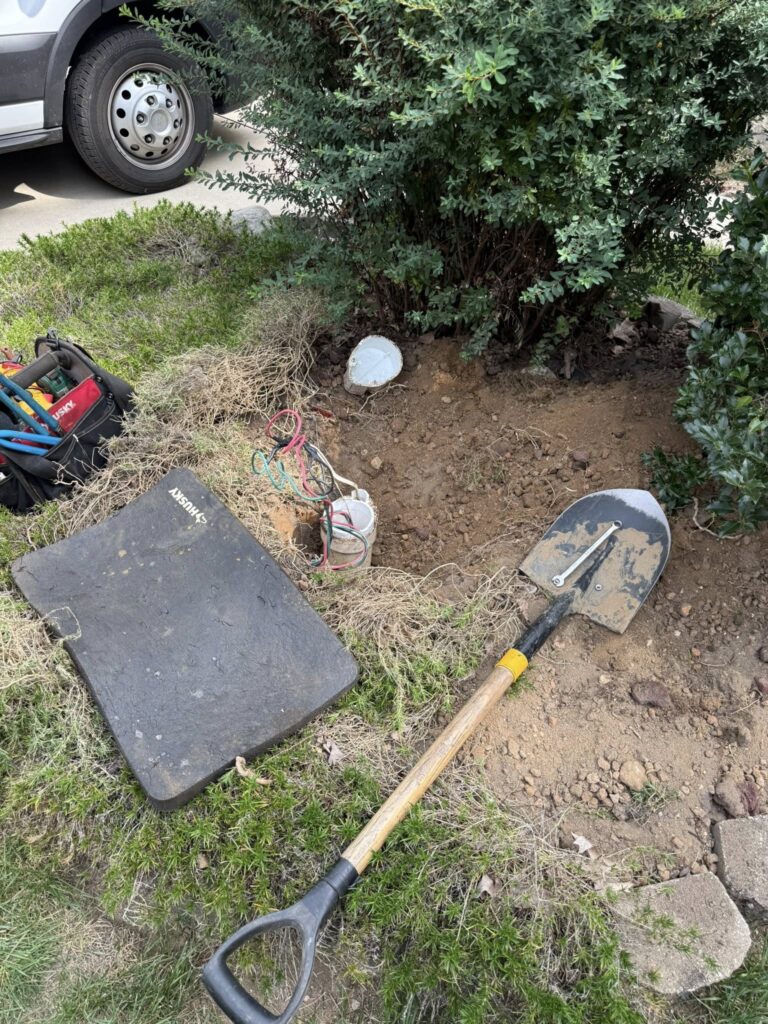
Well service encompasses the complete range of professional care, maintenance, and repair activities that keep your water well system functioning optimally. This includes everything from routine inspections and preventive maintenance to emergency repairs and system upgrades.
A comprehensive well service program addresses every component of your water system—the well itself, the pump, pressure tank, electrical controls, water treatment equipment, and distribution plumbing. Each element requires specific expertise and specialized tools for proper maintenance and repair.
Components of Your Well System
Understanding your well system’s components helps you appreciate the value of professional well service. The well casing protects your water source from contamination while providing structural integrity. The submersible pump, typically located hundreds of feet below ground, pushes water to the surface.
Your pressure tank maintains consistent water pressure throughout your home, while the pressure switch controls when the pump activates. The control box houses electrical components that regulate pump operation. Each component must work harmoniously for reliable water delivery.
According to the Centers for Disease Control and Prevention, proper well maintenance through regular professional service is essential for preventing contamination and ensuring water safety.
Types of Well Service
Professional well service falls into several categories. Preventive maintenance involves scheduled inspections and tune-ups designed to catch problems before they escalate. Diagnostic service identifies the root cause of performance issues through systematic testing and evaluation.
Repair service addresses specific component failures or malfunctions, while rehabilitation service restores declining well performance through techniques like cleaning, redevelopment, or deepening. Installation service handles new equipment placement, and emergency service provides rapid response when critical failures occur.
Our comprehensive well services cover all these categories, ensuring you have expert support regardless of your well’s needs.
Why Regular Well Service Matters
Regular well service isn’t just about maintaining water flow—it’s about protecting your family’s health, preserving your property value, and avoiding costly emergency repairs. The benefits of professional maintenance extend far beyond simply having water available when you turn on the tap.
Health and Safety Protection
Your well system is your family’s primary water source for drinking, cooking, bathing, and cleaning. Professional well service includes water quality testing to identify potential contaminants before they affect your family’s health. Bacterial contamination, chemical pollutants, and mineral buildup can all develop gradually without obvious symptoms.
Regular service appointments include visual inspections of well caps, casings, and seals that prevent surface water and contaminants from entering your water supply. Technicians check for cracks, corrosion, or damage that could compromise your well’s sanitary protection.
Learn more about ensuring safety in our article on determining if your well water is safe.
Cost Savings Through Prevention
Preventive well service costs a fraction of emergency repairs. A typical annual service visit might cost $150-300, while emergency pump replacement can easily exceed $2,000-4,000 when you factor in after-hours service charges and expedited parts procurement.
Regular maintenance extends equipment lifespan significantly. A well-maintained submersible pump can last 15-20 years, while neglected pumps often fail within 8-10 years. Similarly, proper pressure tank maintenance prevents premature bladder failure that would otherwise require costly tank replacement.
Minor issues caught during routine service—like worn pressure switches, corroded connections, or declining well screens—can be addressed inexpensively before they cause system-wide failures.
System Performance Optimization
Well service ensures your system operates at peak efficiency. Over time, mineral deposits accumulate on pump components and well screens, reducing flow capacity and forcing your pump to work harder. Professional cleaning during service appointments restores optimal performance.
Technicians also verify that your pressure settings are properly calibrated, preventing issues like short cycling (which wastes energy and shortens pump life) or inadequate pressure that makes using multiple fixtures simultaneously difficult.
For insights on system performance, read our guide on testing well pump efficiency.
How Often Should You Schedule Well Service?
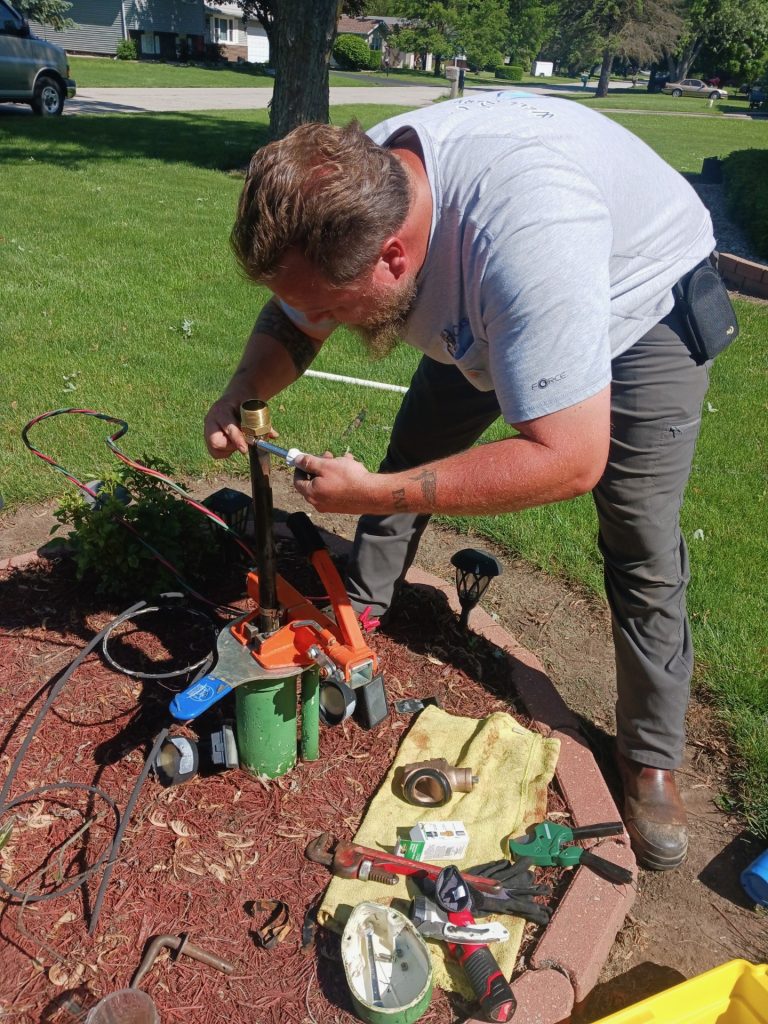
Establishing the right well service schedule depends on several factors including your system’s age, water quality characteristics, usage patterns, and local environmental conditions. While general guidelines provide a starting point, your specific situation may warrant more frequent attention.
Annual Service Baseline
At minimum, every well system should receive comprehensive professional service once annually. This annual appointment should include thorough system inspection, water quality testing, performance evaluation, and preventive maintenance tasks.
Spring is often ideal for annual well service because it follows the winter season when systems work hardest and allows identification of any issues before summer’s peak water usage months. However, any consistent annual schedule works as long as it’s maintained.
The Environmental Protection Agency emphasizes that annual well inspections help identify problems early and maintain water quality standards.
Factors Requiring More Frequent Service
Certain circumstances necessitate more frequent well service appointments. Older systems (over 15 years) benefit from semi-annual inspections as components near the end of their service life become more prone to failure.
Wells producing hard water or water with high iron content require more frequent maintenance because mineral accumulation accelerates wear on pumps and other components. Similarly, homes with high water demand—large families, irrigation systems, or water-intensive businesses—put greater stress on well systems.
If your property is located near agricultural operations, industrial facilities, or other potential contamination sources, increasing your service frequency helps ensure water safety through more regular testing.
Wells that have experienced recent problems or repairs should be monitored more closely. Semi-annual service for a year or two following major repairs helps ensure the system has been properly restored.
Service Frequency by Component
Different system components have varying service needs. Pressure tanks should be checked annually for proper air pressure and signs of bladder failure. Pressure switches typically last 5-10 years but should be inspected annually for wear or corrosion.
Well pumps generally require inspection every 1-2 years, though their typical 10-20 year lifespan means replacement planning should begin around year 10. Water treatment equipment like softeners and filtration systems need quarterly to annual service depending on usage and water chemistry.
Our article on how often to service your well provides additional detailed guidance tailored to different scenarios.
What’s Included in a Complete Well Service?
Understanding what comprehensive well service includes helps you evaluate service providers and ensures you’re receiving thorough care for your investment. A complete service appointment should address every aspect of your well system’s health and performance.
Visual Inspection and Assessment
Well service begins with systematic visual inspection of all accessible components. Technicians examine the well cap or seal for proper fit, cracks, or damage that could allow surface water infiltration. They inspect the well casing for signs of corrosion, cracks, or settlement issues.
The pressure tank receives careful inspection for rust, leaks, or physical damage. Technicians check all plumbing connections for signs of corrosion or leaking, and examine electrical connections for damage or improper installation.
Inside your home, technicians evaluate pressure gauge readings, listen to pump cycling patterns, and assess overall system performance through fixture operation tests.
Performance Testing
Comprehensive well service includes quantitative performance evaluation. Technicians measure static water level (depth to water when pump is off) and pumping water level (depth to water during operation) to assess well productivity and pump placement.
Flow rate testing determines how many gallons per minute your system produces, comparing current performance to baseline measurements or system capacity ratings. Pressure testing verifies that your system maintains proper pressure ranges during various usage scenarios.
Pump amperage testing reveals whether your pump is drawing appropriate current—higher than normal readings may indicate bearing wear or binding, while lower readings could suggest electrical problems.
Water Quality Testing
Annual well service should include basic water quality testing for total coliform bacteria, nitrates, pH, and total dissolved solids. More comprehensive testing may include checks for iron, manganese, hardness, sulfates, and other parameters specific to your area’s water chemistry.
Professional technicians collect samples using proper sterile techniques and submit them to certified laboratories for analysis. They review results with you and recommend appropriate treatment if any parameters exceed safe levels.
For detailed information about water testing, see our comprehensive guide on detecting and addressing bacterial contamination.
Preventive Maintenance Tasks
During service appointments, technicians perform various preventive maintenance tasks. They clean debris from well caps and covers, tighten electrical connections, lubricate appropriate components, and adjust pressure settings if needed.
Pressure tank air pressure is checked and adjusted to proper levels—typically 2 PSI below the pump cut-in pressure. This simple adjustment prevents premature bladder failure and short cycling issues.
Technicians may also flush sediment from pressure tanks, check and clean pressure switch contacts, and verify that all safety controls function properly.
Warning Signs You Need Immediate Well Service

Between scheduled maintenance appointments, staying alert for warning signs helps you catch problems early and avoid complete system failure. Recognizing these symptoms and calling for prompt well service can prevent minor issues from becoming major emergencies.
Water Flow Problems
Changes in water flow often indicate developing problems requiring well service attention. Reduced water pressure throughout your home suggests pump wear, clogged screens, or declining well production. Sputtering faucets that release air mixed with water indicate the well’s water level has dropped below the pump intake.
Pressure that fluctuates significantly during normal use points to failing pressure tanks, worn pressure switches, or pump problems. Complete loss of water obviously requires immediate emergency service—learn what to expect from our guide on what to do if your well stops working.
Water Quality Changes
Any noticeable change in your water’s appearance, taste, or odor warrants immediate well service and testing. Cloudy or murky water may indicate sediment infiltration from well screen damage or surface water entry through compromised casings.
New metallic tastes or orange-brown staining suggest increased iron or manganese levels, possibly from pump corrosion or changing water chemistry. Foul odors, particularly sulfur or rotten egg smells, could indicate bacterial growth or chemical contamination.
Never ignore water quality changes—they could indicate serious contamination threatening your family’s health. Our article on troubleshooting well water issues helps identify specific problems.
Unusual Sounds
Your well system should operate relatively quietly. New or unusual sounds indicate problems requiring well service. Rapid clicking from the pressure switch suggests short cycling, where the pump turns on and off excessively—typically caused by pressure tank bladder failure or improper pressure settings.
Grinding, squealing, or rattling noises from the pump indicate bearing wear, shaft problems, or loose components. Loud banging when water turns on or off (water hammer) suggests inadequate system shock absorption or loose pipes.
System Behavior Changes
Pay attention to operational pattern changes. If your pump runs more frequently or for longer periods than usual, it may be struggling due to declining well capacity, pump wear, or increased system demand from leaks.
Electrical breakers that trip repeatedly when the pump runs indicate electrical problems requiring immediate attention—continuing to reset tripped breakers risks fire hazards and equipment damage.
For more warning signs, consult our detailed guide on signs your well pump needs immediate repair.
Physical System Changes
Visible water around the well casing, pressure tank, or connections indicates leaks that waste water and could indicate failing components. Rust stains on pressure tanks often precede tank failure and water damage.
Cracks in well caps or casings allow surface water infiltration, risking contamination. Any settlement or tilting of the well casing suggests structural problems requiring prompt assessment.
Selecting the Right Well Service Provider
The quality of well service you receive depends heavily on choosing an experienced, qualified provider. Several key factors distinguish professional well service companies from less qualified operators.
Licensing and Certification
Verify that any well service provider holds appropriate state licensing for well work in your area. Indiana requires specific licenses for well drilling and pump installation work. Technicians should also carry proper insurance protecting both them and you from liability.
Professional certifications from organizations like the National Ground Water Association demonstrate commitment to industry standards and continuing education. These credentials indicate technicians stay current with best practices and technological advances.
Experience and Expertise
Look for well service providers with extensive local experience. Companies that have operated in your area for many years understand regional water quality issues, geological characteristics, and common well system problems specific to your location.
Ask about technician experience levels and training. Well systems are complex—you want technicians who can accurately diagnose problems rather than simply replacing parts until something works.
At TLC Well Service, our team brings decades of combined experience serving Northern Indiana, giving us deep knowledge of local well systems and water quality challenges. Learn more about our team and approach.
Service Range and Capabilities
Choose a well service provider offering comprehensive capabilities. Companies that handle everything from routine maintenance to complex repairs, water treatment installation, and emergency service provide continuity and eliminate the need to coordinate multiple contractors.
Verify the provider stocks common replacement parts and has relationships with suppliers for quick parts acquisition. The ability to complete most repairs during initial service calls minimizes your inconvenience.
Emergency service availability is crucial—well problems don’t respect business hours. Providers offering 24/7 emergency response ensure you’re never left without water for extended periods.
Transparent Pricing
Reputable well service providers offer clear, upfront pricing for common services. While complex repairs may require diagnosis before final pricing, you should receive estimates covering the range of possible costs.
Be wary of unusually low prices—they may indicate inexperienced technicians, corner-cutting on quality, or hidden fees added later. The lowest bid rarely represents the best value for critical infrastructure like your water system.
Customer Communication
Quality well service providers emphasize clear communication. They should thoroughly explain findings from inspections, answer your questions patiently, and ensure you understand recommended repairs or maintenance before proceeding.
Look for companies that document their work with detailed service reports, including test results, maintenance performed, and recommendations for future attention. This documentation helps you track system condition over time.
DIY Maintenance Between Professional Services
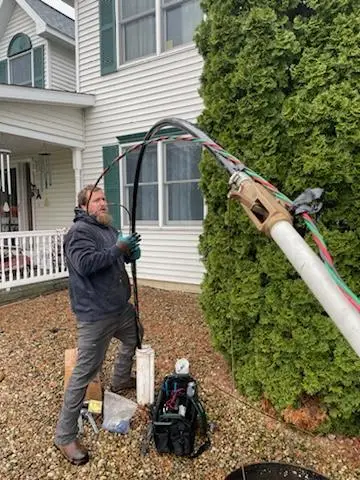
While professional well service provides essential expertise and specialized equipment, homeowners can perform several simple maintenance tasks between service appointments to keep their systems running smoothly and catch developing problems early.
Monthly Visual Inspections
Once monthly, visually inspect all accessible well system components. Check the well cap or seal for proper fit and any signs of damage. Look around the well casing for standing water, settlement, or other changes.
Examine your pressure tank for rust spots, moisture, or leaks. Check pressure gauge readings and note any significant changes from normal. Listen to pump cycling patterns when using water—familiarize yourself with normal sounds so you’ll notice unusual noises.
Monitor Water Quality
Pay attention to your water’s appearance, taste, and odor during normal use. Any changes warrant professional investigation. Keep simple testing supplies on hand—test strips for pH and hardness provide basic monitoring between professional testing.
Note any changes in how water behaves—increased staining on fixtures, soap that lathers differently, or laundry that comes out differently than usual can all indicate water quality changes.
Track System Performance
Keep informal notes about your well system’s behavior. If you notice the pump running more frequently or for longer periods, document when this started and under what conditions. Track any pressure fluctuations or water flow changes.
This information helps professional technicians diagnose problems more quickly during service calls. Patterns you’ve noticed may point directly to specific issues.
Maintain Water Treatment Equipment
If you have water treatment systems, follow manufacturer recommendations for homeowner maintenance. Water softeners need regular salt replenishment—keep the brine tank at least half full and use high-quality salt to prevent buildup issues.
Replace sediment filters according to schedules recommended by your well service provider or equipment manufacturer. Most need changing every 3-6 months depending on water quality and usage.
Our guide on understanding water purification systems includes maintenance tips for various treatment equipment.
Know What NOT to Do
Some well system tasks require professional expertise and equipment. Never remove well caps or attempt to access the well casing interior without professional assistance—improper opening risks contamination and personal injury.
Don’t attempt electrical repairs on pump controls or pressure switches without appropriate expertise—well pumps operate on 240-volt circuits that present serious shock hazards.
Avoid adding any chemicals to your well without professional guidance. Improper treatment can damage equipment or create dangerous chemical reactions.
Keep System Information Accessible
Maintain a file with all well system documentation—installation records, service reports, test results, and equipment specifications. This information proves invaluable during service appointments and emergencies.
Know your well’s depth, pump type and depth, and when major components were last replaced. This knowledge helps service technicians work more efficiently and make appropriate recommendations.
Emergency Well Service: What to Expect
Despite the best preventive maintenance, emergency well service situations occasionally arise. Understanding how to respond to emergencies and what to expect from emergency service calls helps you handle stressful situations more effectively.
Common Well Emergencies
Complete loss of water represents the most obvious emergency requiring immediate well service. This can result from pump failure, electrical problems, or severe pressure tank issues. Learn about temporary solutions in our article on temporary solutions for well pump failures.
Bacterial contamination confirmed by testing requires urgent response, though the well may still produce water. Positive bacteria tests mean the water is unsafe for consumption until treatment and retesting confirm safety.
Electrical problems causing repeated breaker trips represent fire hazards requiring immediate attention. Never continue resetting breakers—shut off power to the well system and call for emergency service.
Sudden severe water quality changes—particularly if water becomes cloudy, discolored, or develops strong odors—warrant emergency service and immediate cessation of water use until professionals assess the situation.
Emergency Response Process
When you call for emergency well service, describe the problem as specifically as possible. Note when issues began, what symptoms you’re experiencing, any recent weather events, and whether you’ve noticed anything unusual about your property or neighbors’ wells.
Professional well service providers offering true 24/7 emergency response maintain on-call technicians ready to respond outside normal business hours. Emergency service typically involves higher fees due to after-hours labor and immediate response requirements.
Technicians arriving for emergency calls prioritize restoring water service when possible, then schedule follow-up appointments for any non-critical additional work. They carry common replacement parts for typical emergencies but may need to return with specialized components.
What You Can Do While Waiting
While awaiting emergency well service, take several steps to minimize impact. Store water for essential needs—fill bathtubs, large pots, and clean containers. A household needs roughly one gallon per person per day for drinking and essential hygiene.
If loss of water coincided with electrical issues, verify your circuit breaker hasn’t tripped. Document everything you’ve observed about the problem—this information helps technicians diagnose issues more quickly.
For detailed emergency preparation guidance, see our comprehensive article on emergency well repairs and preparation.
After Emergency Service
Following emergency repairs, schedule a follow-up comprehensive inspection to ensure underlying issues have been fully addressed. Emergency repairs focus on immediate restoration of function—thorough system evaluation may reveal additional concerns requiring attention.
If contamination was involved, follow all testing and treatment protocols recommended by your well service provider. Multiple rounds of treatment and testing may be necessary to confirm water safety.
Use emergency situations as motivation to establish better preventive maintenance schedules. Many emergencies could be prevented through regular professional service catching problems early.
Understanding Well Service Costs
Well service costs vary considerably based on service type, system complexity, accessibility, and regional factors. Understanding pricing structures helps you budget appropriately and recognize fair value.
Routine Service Pricing
Annual preventive well service typically costs $150-350 depending on service comprehensiveness and regional rates. This usually includes visual inspection, performance testing, basic water quality testing, and routine maintenance tasks like pressure adjustments.
More comprehensive service packages including extensive water quality testing panels, detailed performance documentation, and minor repairs or adjustments may range from $350-600 annually.
Repair Cost Factors
Well service repair costs depend heavily on the specific problem and components involved. Pressure switch replacement might cost $150-300, while pressure tank replacement typically ranges from $400-800 depending on tank size.
Pump replacement represents the most significant expense most well owners face—costs typically range from $1,500-4,000 depending on well depth, pump type, and accessibility. Deeper wells requiring more pipe and heavier-duty equipment cost more.
The National Ground Water Association notes that well rehabilitation services, which can restore declining well performance without complete replacement, typically cost $500-3,000 depending on techniques required.
Emergency Service Premiums
Emergency well service outside normal business hours typically carries premium charges—expect 50-100% surcharges for evening, weekend, or holiday service calls. These premiums compensate technicians for immediate availability and compensate companies for maintaining 24/7 response capability.
While emergency charges feel expensive in the moment, compare them to costs of being without water for extended periods—hotel stays, restaurant meals, laundromat visits, and lost work time often exceed emergency service premiums.
Service Plan Options
Many well service providers offer annual service plans or maintenance contracts providing scheduled maintenance appointments at reduced rates. These plans typically include priority scheduling and discounted rates on repairs.
Service plans provide budget predictability—you know what you’ll spend on basic maintenance—while protecting against surprise major expenses through equipment life extension. Plans often include reduced or waived trip charges for service calls.
Value Versus Price
When evaluating well service costs, focus on value rather than simply lowest price. Experienced technicians may charge more per hour but diagnose problems faster and fix them right the first time, ultimately costing less than cheaper inexperienced service requiring multiple visits.
Quality parts cost more initially but last longer and perform more reliably than budget alternatives. Investing in proper equipment and professional installation avoids repeated failures and accumulated service calls.
Preventive Care for Long-Term Reliability
Establishing comprehensive preventive care through regular well service is the single most effective strategy for ensuring long-term system reliability, protecting water quality, and avoiding expensive emergency repairs.
Developing a Maintenance Schedule
Work with your well service provider to establish a personalized maintenance schedule based on your system’s age, water quality characteristics, and usage patterns. Document this schedule and set calendar reminders to ensure appointments don’t get overlooked during busy periods.
Consider seasonal timing for maintenance—spring appointments catch winter-related issues while preparing for summer’s peak usage, while fall appointments ensure systems are ready for winter’s demanding conditions.
Keeping Detailed Records
Maintain comprehensive records of all well service activities—routine maintenance, repairs, test results, and system modifications. These records help identify developing patterns, track component ages, and provide valuable information to service technicians.
Document baseline measurements like static water level, flow rate, and normal pressure readings when your system is performing optimally. These baselines provide comparison points for detecting performance degradation.
Upgrading Components Proactively
Rather than waiting for complete failure, consider proactive replacement of components approaching end-of-service-life. Replacing a 12-year-old pump during a routine service appointment costs far less than emergency replacement at 2 AM when it finally fails.
Well service professionals can estimate remaining component life based on age, condition, and performance trends. Planning replacements on your schedule rather than the equipment’s failure schedule saves money and stress.
Our article on identifying failing wells before they stop working helps recognize when proactive replacement makes sense.
Environmental Protection
Proper well service includes protecting your well from contamination sources. Maintain appropriate distances between your well and potential pollution sources like septic systems, fuel storage, pesticide application areas, and livestock operations.
Ensure your well cap remains properly sealed and the area around your well casing slopes away to prevent surface water pooling. These simple measures, regularly verified during service appointments, provide critical contamination protection.
System Improvements
As technology advances and your needs change, consider system improvements discussed during well service appointments. Upgrading to constant pressure systems provides superior water pressure stability. Enhanced water treatment addresses specific water quality concerns.
Newer pump technologies offer improved efficiency reducing electrical costs. Your well service provider can recommend upgrades that improve performance, reliability, or convenience based on your specific situation.
Learn about upgrade options in our guide on when to consider upgrading your water purification system.
Protecting Your Water Supply Through Professional Well Service
Professional well service represents an essential investment in your home’s most critical infrastructure—your water supply. Through regular maintenance, prompt attention to developing problems, and relationships with experienced service providers, you ensure reliable, safe water for your family year after year.
The peace of mind that comes from knowing your well system receives expert care is invaluable. You can trust that your water is safe, your equipment will perform reliably, and experienced professionals are available when urgent situations arise.
Don’t wait for problems to develop—establish a preventive maintenance schedule today. The relatively small investment in annual well service pays enormous dividends through extended equipment life, avoided emergencies, consistent water quality, and protection of your family’s health.
Your Partner in Well System Care
At TLC Well Service, we’ve built our reputation on providing exceptional well service to Northern Indiana homeowners for over two decades. Our experienced technicians understand local water quality challenges and bring the expertise needed to keep your well system performing optimally.
From routine annual maintenance to complex repairs and emergency response, we offer comprehensive solutions for every well service need. Our commitment to quality workmanship, transparent communication, and customer satisfaction has made us the trusted choice for thousands of homeowners.
We understand that your well system isn’t just equipment—it’s your family’s water source, and we treat every service call with the importance it deserves. Our technicians take time to explain findings, answer questions, and ensure you understand your system’s condition and any recommended actions.
Comprehensive Services for Every Need
Whether you need routine maintenance, suspect a developing problem, or face an urgent water emergency, TLC Well Service provides the professional expertise and rapid response you need. Our service capabilities span every aspect of well system care.
We offer thorough annual maintenance programs customized to your system’s specific requirements. Our diagnostic services accurately identify the root causes of performance issues, avoiding unnecessary parts replacement and ensuring effective repairs the first time.
Our emergency response team stands ready 24/7 to restore your water service when critical failures occur. We stock common replacement parts and maintain relationships with suppliers ensuring quick access to specialized components when needed.
Beyond basic well service, we provide comprehensive water quality testing, treatment system installation and maintenance, and expert guidance on system upgrades and improvements. Visit our blog for additional resources and information about well system care.
Take Action Today
If your well system hasn’t received professional service recently, now is the perfect time to schedule an appointment. Don’t wait for warning signs or system failures—proactive maintenance prevents the majority of well problems before they impact your daily life.
Even if your system seems to be working fine, hidden issues may be developing that only professional inspection can identify. Early detection and correction prevent minor concerns from escalating into expensive emergencies.
Contact TLC Well Service today to schedule your well service appointment. Our friendly staff will answer your questions, explain our service process, and schedule a convenient time for our technicians to evaluate your system.
For more information about keeping your well system healthy and reliable, explore our comprehensive resources on the importance of regular well maintenance and other essential topics.
Your family deserves safe, reliable water, and your well system deserves expert care. Let TLC Well Service be your partner in maintaining the water supply your home depends on every single day.