If you want help fast, TLC Well Service can troubleshoot, repair, and maintain your system. Start here: Well Services | Water Tanks | Water Purification
Table of Contents
- Quick safety first (before you diagnose)
- Symptom-to-cause map (fast answers)
- How do I diagnose common problems with a home well system step-by-step
- Problem #1: No water at all
- Problem #2: Low water pressure
- Problem #3: Pump turning on/off too often (short cycling)
- Problem #4: Air spitting from faucets
- Problem #5: Dirty, sandy, or cloudy water
- Problem #6: Bad smell or taste
- Problem #7: Water quality concerns (testing basics)
- When to stop DIY and call a pro
- Prevent future problems (simple maintenance plan)
How do I diagnose common problems with a home well system? Start by matching the symptom (no water, low pressure, strange noises, dirty water) to the most likely cause, then confirm with a few safe checks. This guide walks you through the most common issues homeowners see—and when it’s smarter (and safer) to call in TLC Well Service.
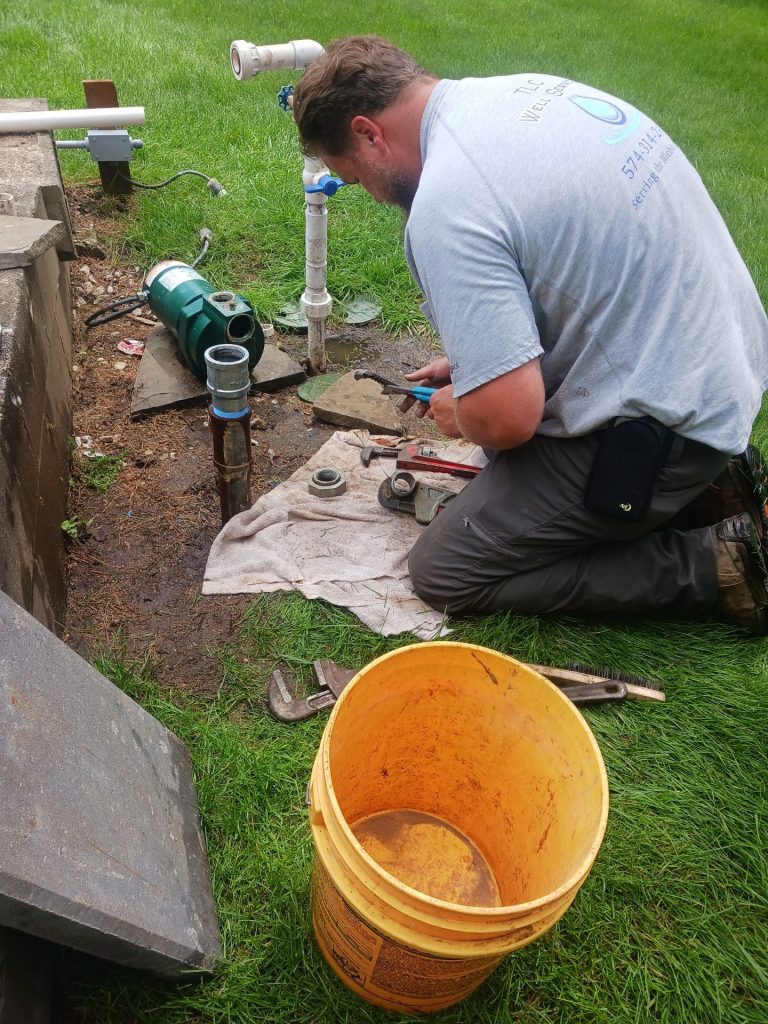
Quick safety first (before you diagnose)
Well systems mix electricity, water pressure, and sometimes tight spaces. Before you touch anything:
- If you see water near electrical components, stop and call a professional.
- Don’t open control boxes unless you are trained and power is off at the breaker.
- If the water looks contaminated (sewage smell, sudden discoloration after flooding), don’t drink it—use safe water and test.
For official safety and testing guidance, see the CDC well testing guidelines: https://www.cdc.gov/drinking-water/safety/guidelines-for-testing-well-water.html
Symptom-to-cause map (fast answers)
Use this quick map to narrow down what to check first.
| Symptom | Most common causes | Best first check |
|---|---|---|
| No water anywhere | Tripped breaker, failed pump, failed pressure switch, dry well | Breaker + pressure gauge + listen for pump |
| Low pressure | Clogged filter, tank issues, leak, failing pump | Check pressure gauge + filters + leaks |
| Pump cycles rapidly | Waterlogged tank, incorrect tank air charge, pressure switch issue | Watch gauge behavior while running water |
| Air spurts at faucet | Low water level, suction leak (jet), plumbing leak, pump issue | Check well recovery + visible leaks |
| Sandy/dirty water | Sediment, screen issues, disturbance after work | Run/flush + inspect filters |
If you need a more complete guide, TLC also has a helpful resource here: Troubleshooting Well Water Issues.
How do I diagnose common problems with a home well system step-by-step
Here’s a simple order that prevents wasted time:
- Confirm it’s not a house-wide plumbing issue (check multiple faucets, hot and cold).
- Look at the pressure gauge near the tank (if accessible).
- Listen for pump activity when a faucet is opened.
- Check easy restrictions (filters, clogged aerators, treatment units).
- Check for leaks (wet spots, running toilets, dripping pipes).
- Decide: safe DIY fix, or call TLC Well Service.

Want a pro overview of private well basics? The USGS has a solid explainer: https://www.usgs.gov/water-science-school/science/groundwater-wells
Problem #1: No water at all
How do I diagnose common problems with a home well system when there’s zero water? Start with the simplest items first.
Check 1: Breaker and power
Look for a tripped breaker labeled “well,” “pump,” or similar. If it trips again immediately, stop and call a professional—repeated resets can damage equipment.
Related read: What to Do If Your Well Stops Working
Check 2: Pressure gauge reading
If the gauge reads near 0 PSI and never rises, it may point to pump/power/switch issues—or a supply problem.
Check 3: “Dry well” signs
If you recently had low flow, air spurts, or seasonal drought issues, your well may be struggling to recover.
Helpful internal guides: What to Do If Your Well Runs Dry | How to Identify a Failing Well
Problem #2: Low water pressure
Low pressure is one of the most common “something’s off” complaints. The goal is to separate a simple restriction from a system issue.
Check 4: Filters, softeners, and treatment equipment
A clogged filter can mimic bigger problems. If your home has purification or filtration, inspect that system first.
Explore options here: Water Purification | Types of Water Purification Systems
Check 5: Pressure switch setting and gauge behavior
Many homes run common pressure ranges (for example, 30/50 or 40/60). If pressure never reaches the normal “cut-out” point, that can indicate a failing pump, restriction, or leak.
Check 6: Hidden leaks
A running toilet, leaking hydrant, or underground line leak can drop pressure and cause frequent pump cycles. If the pump runs when no water is being used, that’s a clue.
If low pressure keeps coming back, TLC can help diagnose and repair the root cause: Schedule Well Services.
Problem #3: Pump turning on/off too often (short cycling)
How do I diagnose common problems with a home well system when the pump seems “busy”? Short cycling often points to the pressure tank or controls.
What short cycling looks like
- Pressure jumps up fast, then falls fast.
- Pump clicks on every few seconds while water is running.
- Pressure feels inconsistent (surging at faucets).
Common causes
- Waterlogged pressure tank (failed bladder or lost air charge)
- Incorrect tank air pre-charge
- Pressure switch problems
Pressure tank issues are very common. If you suspect your tank is failing, start here: Water Tanks | How Often Should You Service Your Water Tank?
If you’re seeing urgent symptoms, this guide helps: Signs Your Well Pump Needs Immediate Repair.
Problem #4: Air spitting from faucets
Air spurts can be harmless after maintenance—or a warning sign when it happens repeatedly.
Common causes to consider
- Low well water level (pump pulling air intermittently)
- Leaks on suction side (more common with some jet pump setups)
- Plumbing leak letting air in
If air spurts come with low flow or seasonal issues, check: What to Do If Your Well Runs Dry.
Problem #5: Dirty, sandy, or cloudy water
If your water suddenly looks cloudy, gritty, or rusty, focus on sediment, corrosion, or well disturbance.
Fast checks
- Remove and clean faucet aerators (they collect sediment).
- Check your sediment filter (if installed).
- If you recently had service, some temporary cloudiness can happen while lines clear.
Mineral issues are common in well water. If you’re fighting staining or hardness: How to Remove Iron and Hard Minerals from Well Water.
If sediment keeps returning, it can point to a well or pump intake issue—TLC can diagnose and recommend a durable fix: Well Services.
Problem #6: Bad smell or taste
Odors like “rotten egg,” metallic taste, or musty smells can come from bacteria, sulfur, iron, or other water-quality factors.
What to do next
- Don’t guess—test first.
- Check if the smell is only on hot water (could be water heater related) vs. hot and cold (more likely well water).
- Consider treatment options once results come back.
These internal guides can help you plan next steps:
For official well owner guidance, the EPA private well hub is a strong reference: https://www.epa.gov/privatewells
Problem #7: Water quality concerns (testing basics)
How do I diagnose common problems with a home well system when you can’t “see” the problem? Testing is the answer.
When to test
- At least yearly for basic indicators (and anytime you notice changes).
- After flooding, a well repair, or plumbing work.
- If someone in the home has unexplained stomach issues and you suspect water.
Where to start (credible references)
CDC testing guidance: https://www.cdc.gov/drinking-water/safety/guidelines-for-testing-well-water.html
EPA “Protect Your Home’s Water”: https://www.epa.gov/privatewells/protect-your-homes-water
Indiana IDEM private well protection info: https://www.in.gov/idem/cleanwater/information-about/groundwater-monitoring-and-source-water-protection/understanding-and-protecting-your-drinking-water/

If test results point toward treatment, TLC can help you choose the right system: Water Purification | When to Upgrade Purification
When to stop DIY and call a pro
Call TLC Well Service if you notice any of these:
- Breaker trips repeatedly (or burning smell near controls)
- No water and pressure won’t recover
- Rapid short cycling that won’t stop
- Suspected contamination after flooding
- Leaks in areas you can’t access safely
For emergency planning, these resources help:
- Emergency Well Repairs: What to Expect
- Temporary Solutions Until Help Arrives
- Top Emergency Services for Well Owners
Prevent future problems (simple maintenance plan)
The easiest way to reduce breakdowns is a basic routine:
- Annual checkup + water test (especially if anything changes)
- Inspect the well area (keep it clean, protected, and draining away)
- Replace filters on schedule if you have treatment equipment
- Watch for early warning signs like pressure changes and cloudy water
To build a long-term plan, start with:
- The Importance of Regular Well Maintenance
- How Often Should You Service a Well?
- About TLC Well Service
- More TLC Well Service Blog Posts
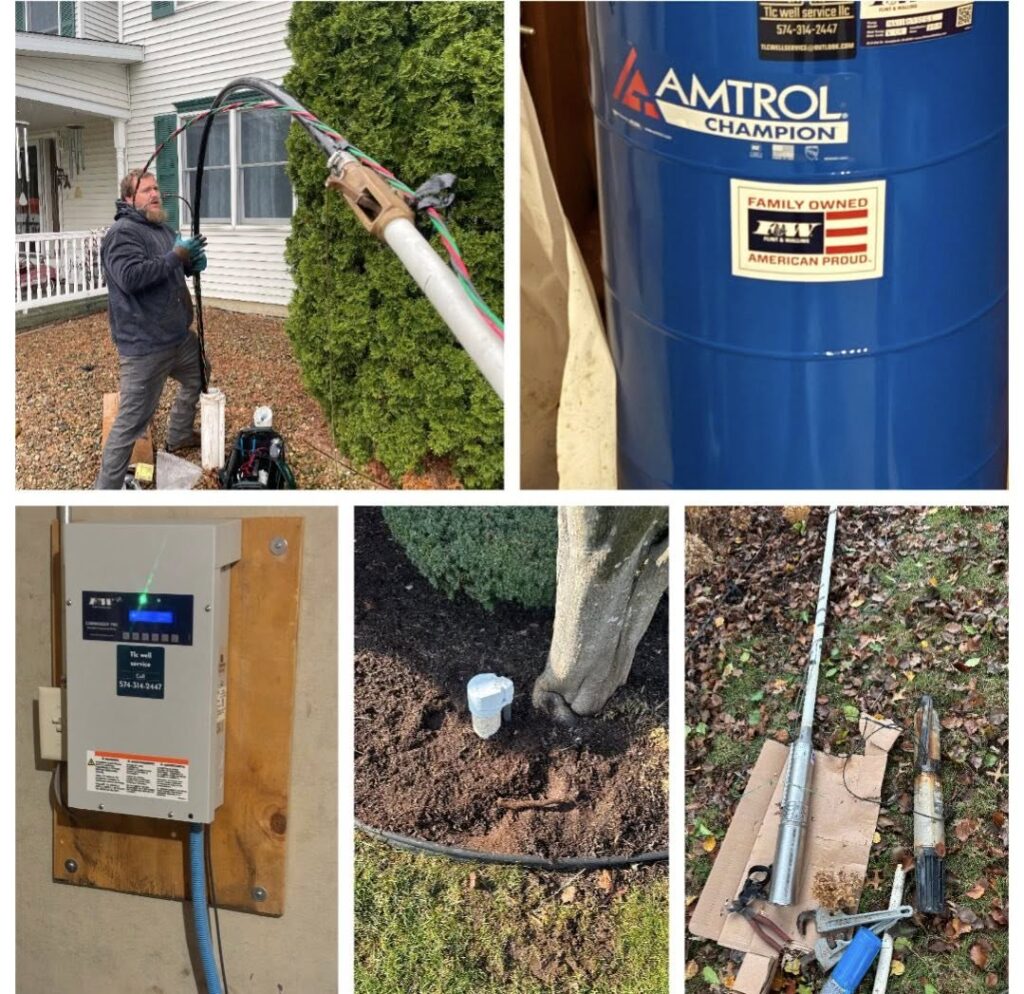
Quick recap
How do I diagnose common problems with a home well system without guessing? Use this order:
- Safety first
- Gauge reading + pump behavior
- Filters/restrictions
- Leaks
- Water testing if quality is the concern
If you’re still unsure, don’t risk equipment damage—TLC can pinpoint the real cause fast.