
Table of Contents
- The Reality: Can a Homes Well Dry Up?
- Why Can a Homes Well Dry Up?
- Risk Factors That Make Wells More Vulnerable
- Early Warning Signs Your Home’s Well Is Drying
- Immediate Steps When Your Well Shows Signs of Drying
- Long-Term Solutions for Dry Well Problems
- Prevention Strategies to Protect Your Water Supply
- How Dry Wells Impact Property Value
- Getting a Professional Well Assessment
If you’re wondering can a homes well dry up, the answer is definitely yes—and it’s more common than many homeowners realize. Your home’s well, the primary source of water for everything from drinking and cooking to bathing and laundry, depends entirely on groundwater availability beneath your property. When that groundwater drops below your pump’s reach, you face a serious situation that requires immediate attention.
Unlike city water customers who benefit from municipal backup systems and interconnected water networks, homeowners relying on private wells have no alternative source when their well runs dry. Understanding whether your home’s well can dry up, recognizing the warning signs, and knowing what actions to take can mean the difference between minor inconvenience and major crisis.
At TLC Well Service, we’ve worked with numerous Northern Indiana homeowners facing declining well production and dry well situations. This comprehensive guide addresses the critical question of whether a home’s well can dry up, explains why it happens, and provides actionable solutions to protect your most essential resource.
The Reality: Can a Homes Well Dry Up?

The straightforward answer to “can a homes well dry up” is yes—residential wells can and do run dry under various circumstances. This reality affects thousands of homeowners annually, particularly during drought conditions, in areas with declining groundwater levels, or when wells are shallow or improperly constructed.
What Happens When a Home’s Well Runs Dry
When asking can a homes well dry up, it’s important to understand what this actually means. A well is considered dry when the water level in the aquifer drops below the depth where your submersible pump draws water. At this point, your pump begins pulling air instead of water, resulting in sputtering faucets, reduced water pressure, or complete loss of water flow.
This doesn’t necessarily mean the aquifer beneath your property is completely depleted. Water may still exist at greater depths, or the water table may recover during periods of increased rainfall. However, until water levels rise back above your pump intake or you take corrective action, your home effectively has no water supply.
How Common Are Dry Wells?
Residential well failures are more prevalent than most homeowners expect. According to the U.S. Geological Survey, groundwater depletion affects many regions across the United States, with some areas experiencing significant long-term declines in water table levels.
Shallow wells face particular vulnerability—those with pumps set close to normal water table levels can run dry with even modest drops in groundwater levels. Deeper wells accessing confined aquifers generally provide more reliable water supplies but aren’t immune to depletion under severe conditions.
Temporary Versus Permanent Dry Conditions
Understanding can a homes well dry up also requires distinguishing between temporary and permanent conditions. Temporary dry situations occur when seasonal variations, short-term drought, or heavy usage temporarily lower water levels below your pump. Once precipitation increases or usage decreases, groundwater levels recover and water flow resumes.
Permanent or long-lasting dry conditions develop when aquifer depletion results from chronic over-pumping, prolonged drought, or fundamental changes in groundwater hydrology. These situations require intervention—lowering the pump, deepening the well, or drilling an entirely new well—to restore your home’s water supply.
For guidance on handling dry well situations, see our comprehensive article on what to do if your well runs dry.
Why Can a Homes Well Dry Up?
Multiple factors contribute to residential wells running dry. Understanding these causes helps homeowners assess their vulnerability and take preventive measures before facing water supply interruptions.
Drought and Reduced Precipitation
Drought represents the most common reason when asking can a homes well dry up. Extended periods without adequate rainfall mean less water percolates into the ground to recharge aquifers. As groundwater reserves decline without replenishment, water tables drop, potentially falling below residential well pump depths.
Climate patterns increasingly produce extended dry spells in many regions. What historically might have been occasional drought conditions are becoming more frequent and severe, putting greater stress on groundwater resources and increasing the likelihood that home wells will experience reduced production or run completely dry.
Excessive Water Usage
Heavy water consumption can exceed your well’s sustainable yield—the amount of water the aquifer can supply continuously without depletion. Large households, extensive irrigation systems, or water-intensive activities like filling swimming pools can draw water faster than the aquifer replenishes it.
During peak summer months when outdoor watering increases dramatically, many homeowners pump far more water than during other seasons. This increased demand, combined with naturally lower summer recharge rates, creates perfect conditions for wells to run dry or show significantly reduced production.
Nearby Groundwater Extraction
When considering can a homes well dry up, don’t overlook the impact of neighboring water use. New residential development, agricultural irrigation, or commercial/industrial operations near your property all draw from the same aquifer. Increased regional groundwater extraction lowers water tables across the area, potentially affecting your well even if your personal usage hasn’t changed.
This cumulative effect means your well’s reliability depends partly on factors beyond your control. Areas experiencing rapid development or agricultural intensification face greater risk of widespread groundwater depletion affecting multiple residential wells simultaneously.
Well Construction and Depth
Shallow wells inherently face greater vulnerability when asking can a homes well dry up. Wells drilled only slightly below the normal water table have little buffer against seasonal or drought-related declines. Even minor drops in groundwater levels can cause these wells to run dry.
Older wells may also be inadequately deep by modern standards. Wells drilled decades ago when water tables were higher may no longer reach sufficient depths as regional groundwater levels have gradually declined over time. Our guide on identifying failing wells helps recognize these situations.
Seasonal and Weather Variations
Natural seasonal cycles affect groundwater levels throughout the year. Water tables typically peak in spring following winter snowmelt and spring rains, then decline through summer and fall as evaporation increases and precipitation decreases. Wells with marginal depth may function fine during high water periods but struggle or run dry during seasonal lows.
Understanding these patterns helps answer can a homes well dry up by revealing that some wells face predictable annual vulnerabilities. If your well shows declining production every late summer or fall, seasonal variation is likely contributing to the problem.
Geological Factors
The geological characteristics beneath your property significantly influence whether your home’s well can dry up. Wells tapping fractured bedrock aquifers depend on interconnected fracture networks to deliver water—if these fractures are limited or poorly connected, the well may have restricted yield even when regional water tables are adequate.
Similarly, wells in sandy or gravelly aquifers generally have better recharge rates than those in dense clay or tight rock formations. The geological “plumbing” beneath your property determines how quickly your well recovers after pumping and how vulnerable it is to running dry during stress periods.
Risk Factors That Make Wells More Vulnerable
Not all residential wells face equal risk when considering can a homes well dry up. Several factors determine your well’s vulnerability to running dry, helping you assess whether your home’s water supply faces elevated risk.
Well Age and Original Construction
Older wells constructed decades ago may not meet current depth standards or best practices. As regional water tables have gradually declined over time due to increased development and groundwater use, wells that were once adequate may now be marginally deep or even shallow by today’s standards.
Additionally, older well construction methods and materials may not provide the same reliability as modern techniques. Deteriorating well screens, corroded casings, or settling that has shortened effective well depth all increase vulnerability to running dry.
Geographic Location
Your property’s location significantly influences whether your home’s well can dry up. Areas with naturally low groundwater recharge rates, such as regions with rocky terrain or minimal soil depth, face greater vulnerability. Properties on hilltops or elevated terrain typically have deeper water tables than those in valleys or near water bodies.
Regional groundwater trends also matter. Some areas experience chronic groundwater decline due to over-extraction, while others maintain stable or even rising water tables. Understanding your region’s groundwater trends helps assess long-term well reliability. The Environmental Protection Agency provides resources about regional groundwater conditions.
Well Depth and Pump Placement
Shallow wells with pumps set near minimum water table levels face highest risk when asking can a homes well dry up. Wells with significant “safety margin”—where pumps are positioned well below normal low water levels—can tolerate greater water table fluctuations without running dry.
As a general guideline, wells should extend at least 20-50 feet below the static (non-pumping) water level to provide adequate buffer against seasonal and drought-related declines. Wells with less margin are prime candidates for running dry during stress periods.
Household Water Demand
Large households, homes with extensive irrigation systems, or properties with water-intensive features like hot tubs face elevated risk. High water demand may exceed the well’s sustainable yield, particularly during peak usage periods or dry seasons when aquifer recharge is minimal.
Understanding your well’s capacity and your household’s water consumption helps answer can a homes well dry up for your specific situation. Wells producing 5-10 gallons per minute may struggle to support large families with heavy water use, especially during summer months.
Maintenance History
Wells receiving regular professional maintenance and monitoring are less likely to run dry unexpectedly. Routine service identifies declining production trends early, allowing proactive solutions before complete failure. Neglected wells often run dry without warning because gradual performance decline went unnoticed.
Regular testing and inspection also catch issues like damaged well screens or pump problems that reduce effective well yield. Our article on the importance of regular well maintenance explains these benefits in detail.
Climate Trends in Your Area
Regions experiencing changing precipitation patterns—whether decreasing average rainfall, more extended dry periods, or shifting seasonal timing—face increasing risk that home wells will run dry. Climate trends affect long-term groundwater availability and recharge rates.
Homeowners in areas with documented declining precipitation or increasing drought frequency should consider their wells at elevated risk and may want to implement preventive measures before problems develop.
Early Warning Signs Your Home’s Well Is Drying
Recognizing early indicators that your well may be approaching dry conditions allows you to take action before facing complete water loss. When wondering can a homes well dry up, watch for these warning signs that suggest declining groundwater levels or diminishing well capacity.
Reduced Water Pressure
Gradually declining water pressure throughout your home often signals that your well is producing less water. While pressure problems can have other causes, persistent low pressure that worsens over time frequently indicates declining groundwater levels approaching your pump depth.
Pay particular attention if pressure is worst during peak usage times or late in the day after accumulated water use. This pattern suggests your well struggles to keep up with demand, potentially indicating that water levels are approaching critical thresholds.
Sputtering Faucets
When faucets sputter or spray a mixture of air and water, it’s a critical warning sign when considering can a homes well dry up. This symptom indicates your pump is periodically drawing air instead of water—a clear signal that water levels have dropped close to or below your pump intake depth.
Never ignore sputtering faucets. This represents an urgent warning that your well may completely run dry soon. Immediate professional assessment can determine whether lowering your pump or other interventions can restore normal operation before total failure occurs.
Sediment or Cloudiness in Water
Increased sediment, cloudiness, or murkiness in your water can indicate that declining water levels are causing your pump to draw from aquifer zones with higher suspended particles. As water levels drop, pumps may access different geological layers or disturb settled sediments.
While sediment issues don’t always mean your well is drying up, the combination of cloudy water with other symptoms like reduced pressure strongly suggests declining groundwater levels affecting your well’s performance.
Pump Running More Frequently
If you notice your well pump cycling on and off more frequently than usual, or running for extended periods to maintain pressure, it may be struggling due to declining well production. This pattern often develops gradually as water levels drop, making the pump work harder to deliver adequate flow.
Increased pump runtime also accelerates wear and increases electricity costs. Addressing the underlying cause—potentially declining water levels—prevents both pump damage and continued inefficiency. Learn more in our guide on signs your well pump needs immediate repair.
Water Quality Changes
Changes in water taste, odor, or appearance can indicate that declining water levels are exposing your pump to different aquifer zones with varying water chemistry. Newly developed metallic tastes, mineral odors, or discoloration all warrant investigation.
These quality changes may not directly indicate your well is running dry, but they signal that something has changed in your well’s production zone—often related to water level fluctuations that could precede more serious supply issues.
Seasonal Performance Patterns
If your well performs well during spring and early summer but struggles consistently every fall, seasonal water table fluctuations are likely affecting your system. This pattern answers can a homes well dry up with a qualified “yes”—at least seasonally—indicating your well has marginal depth that makes it vulnerable to normal water level variations.
Wells showing consistent seasonal problems will likely face more serious issues during drought years when water levels drop even lower than normal seasonal lows.
Changes in Recovery Time
Notice how long it takes for water pressure to recover after heavy use like long showers, running multiple fixtures, or doing laundry. If recovery time increases over months or years, it suggests your well’s recharge rate is declining—possibly due to falling water tables reducing the saturated aquifer thickness around your well.
This gradual decline in recovery capacity often precedes more dramatic failures, providing an opportunity for intervention before your well runs completely dry.
Immediate Steps When Your Well Shows Signs of Drying
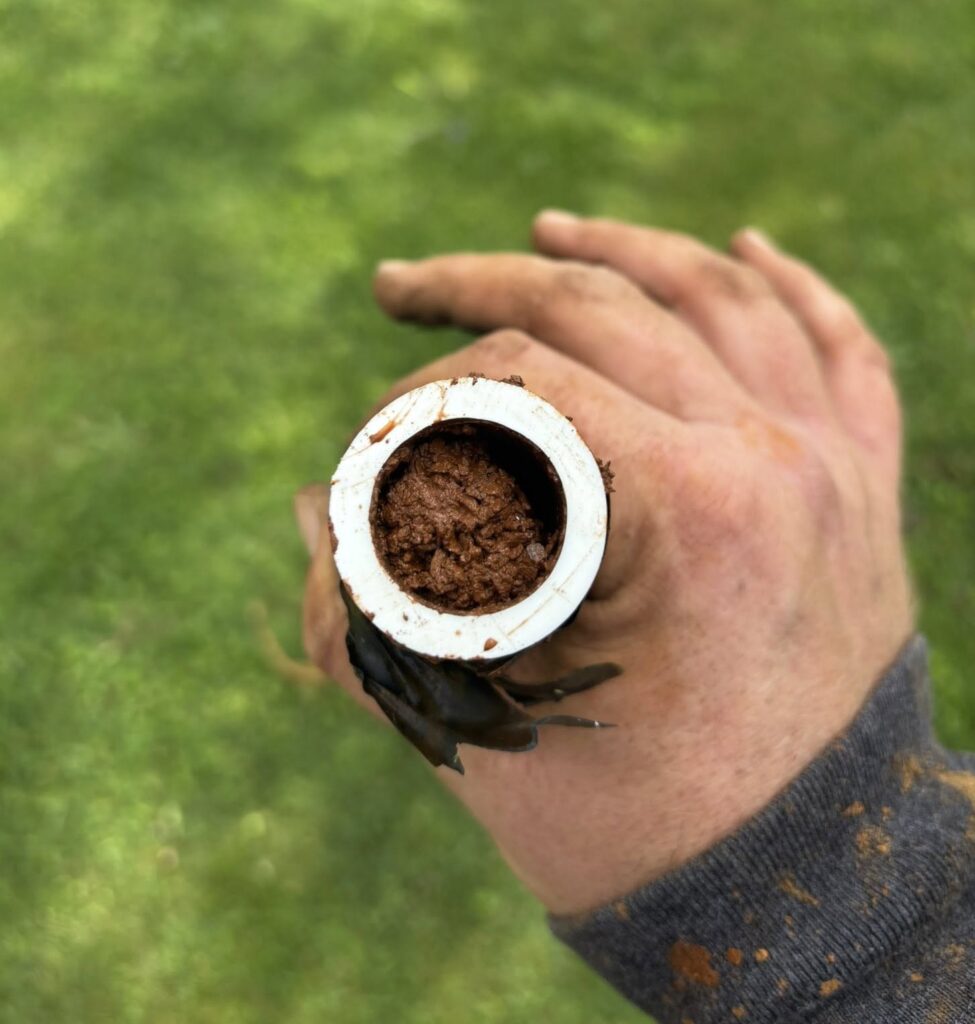
When your home’s well shows warning signs of running dry, taking immediate action can prevent complete water loss and help you understand your options. Addressing the question can a homes well dry up becomes urgent when symptoms appear—prompt response makes a significant difference in outcomes.
Reduce Water Consumption
Immediately cut back on all non-essential water use. Stop outdoor watering, limit shower duration, run only full loads of laundry and dishes, and avoid activities like car washing or filling pools. This reduced demand gives your aquifer more time to recharge between pumping cycles.
Even modest water conservation can extend your well’s viability during marginal conditions. The difference between pumping 300 versus 500 gallons daily may determine whether your well maintains adequate water levels or runs dry.
Check for Other Issues First
Before concluding your well is running dry, verify that other factors aren’t causing symptoms. Check your pressure tank air pressure—low air pressure mimics dry well symptoms. Examine your pressure switch for proper operation. Verify electrical breakers haven’t tripped.
These simpler issues can cause symptoms similar to a drying well but are much easier and less expensive to address. Our guide on troubleshooting well water issues helps systematically identify problems.
Document the Problem
Keep detailed notes about symptoms—when they occur, how severe they are, and any patterns you notice. Document whether problems are worse at certain times of day, during specific activities, or after weather changes. This information helps professionals diagnose the situation and recommend appropriate solutions.
Take photos or videos of sputtering faucets, cloudy water, or pressure gauge readings. Visual documentation provides clear evidence of problem severity and changes over time.
Contact Professional Well Services
Don’t wait until your well completely fails to call professionals. When you first notice warning signs, schedule an assessment with experienced well service providers. Early intervention often provides more and better options than waiting for complete failure.
Professional technicians can measure your static water level, evaluate well production capacity, inspect your pump and system components, and recommend appropriate solutions based on your specific situation.
At TLC Well Service, we provide comprehensive well assessments that determine whether your well is truly running dry or if other issues are causing symptoms that mimic dry well conditions.
Consider Temporary Water Sources
If your well has run completely dry or is producing inadequate water, arrange temporary alternatives while solutions are implemented. Options include purchasing bottled water for drinking and cooking, using laundromats for washing, or installing temporary water storage tanks that can be filled by water delivery services.
While inconvenient and expensive, temporary alternatives prevent the complete household disruption that occurs when you have absolutely no water available. They also allow time to carefully evaluate permanent solutions rather than making rushed decisions under crisis conditions.
Avoid Running Dry Pump
If your well is producing sputtering water with air, avoid running your pump dry. Submersible pumps require water for cooling—running them dry can cause overheating and permanent damage. If you’re getting air through your system, turn off your well pump until professionals can assess the situation.
Pump replacement adds significant cost to addressing a dry well situation. Protecting your pump from dry-running damage helps control overall repair expenses.
Long-Term Solutions for Dry Well Problems
When answering can a homes well dry up requires acknowledging an active problem, several solution options exist depending on your specific circumstances. Professional assessment determines which approach best fits your situation, budget, and long-term water needs.
Lowering the Pump
If your well extends significantly below your current pump depth and water exists at lower levels, simply lowering the pump may restore full function. This solution works when declining water tables have dropped below your pump but adequate water remains deeper in the well.
Pump lowering is typically the most economical solution when viable. However, it requires that your well has additional depth available and that water quality at lower depths is acceptable. Professional evaluation determines whether sufficient well depth and water availability exist below current pump placement.
Well Deepening
Existing wells can sometimes be deepened to reach greater water-bearing zones. This process involves drilling deeper into the bedrock or sediments beneath your existing well and installing additional casing and screen sections.
Well deepening works best in geological formations with deeper productive aquifers. It may not be effective in areas where water-bearing formations are shallow or where the underlying geology is unfavorable. Professionals evaluate geological conditions to determine whether deepening is likely to succeed for your property.
Costs for well deepening typically range from $2,000-6,000 depending on required depth increase and geological conditions encountered.
Well Rehabilitation
Sometimes wells produce inadequate water not because aquifers are depleted but because well screens have become clogged or damaged, reducing the well’s ability to draw available groundwater. Well rehabilitation cleans screens, removes mineral deposits, and restores the well’s connection to surrounding aquifers.
Techniques include mechanical cleaning, hydrojetting to remove deposits, chemical treatments to dissolve mineral encrustation, and various development methods that restore flow through well screens. When successful, rehabilitation dramatically improves well production at modest cost compared to drilling new wells.
Our team at TLC Well Service evaluates whether rehabilitation can improve your well’s performance before recommending more expensive alternatives.
Drilling a New Well
In some situations, drilling an entirely new well represents the best long-term solution when considering can a homes well dry up. New wells can be positioned to access different aquifer zones, drilled to greater depths than your existing well, or located in better producing areas of your property.
Modern drilling techniques and geological knowledge often result in new wells that significantly outperform older installations. While drilling new wells represents substantial investment—typically $5,000-15,000 or more depending on depth and conditions—it provides long-term water security and may be necessary when existing wells cannot be effectively rehabilitated or deepened.
New well drilling also allows incorporation of modern construction standards and techniques that improve reliability, reduce maintenance needs, and enhance water quality protection.
Water Conservation Systems
Installing water-efficient fixtures, appliances, and systems reduces demand on your well, helping marginal wells continue functioning adequately. Low-flow toilets, efficient showerheads, high-efficiency washing machines, and smart irrigation controllers all significantly reduce household water consumption.
While conservation doesn’t increase your well’s production, it reduces the likelihood of exceeding your well’s sustainable yield. For wells experiencing only occasional or seasonal problems, conservation combined with careful usage management may provide sufficient improvement without expensive well modifications.
Supplemental Water Storage
Installing large water storage tanks allows your well to fill storage during low-demand periods (typically overnight), then draw from storage during peak usage. This approach works well for wells with adequate long-term production but limited peak flow capacity.
Storage systems effectively decouple your household water demand from real-time well production, allowing slow-producing wells to gradually fill storage tanks that can then supply high-demand activities. Learn more about storage solutions through our water tank services.
Prevention Strategies to Protect Your Water Supply
Proactive measures significantly reduce the risk when considering can a homes well dry up. Implementing prevention strategies helps ensure your home’s water supply remains reliable even during drought or other challenging conditions.
Regular Well Monitoring
Establish a routine of monitoring your well’s performance. Check static water levels annually, noting seasonal variations and long-term trends. Track your well’s recovery rate after heavy use. Document any gradual changes in pressure, flow rate, or water quality.
This monitoring creates baseline data that helps identify developing problems early, allowing intervention before your well runs dry. Professional well service appointments should include water level measurements and performance documentation.
Our article on how often to service your well provides guidance on establishing appropriate monitoring schedules.
Smart Water Conservation
Implement water conservation as standard practice rather than emergency response. Install water-efficient fixtures and appliances. Use smart irrigation controllers that adjust watering based on rainfall and weather conditions. Fix leaks promptly—even small leaks waste significant water over time.
Outdoor water use represents the largest discretionary consumption for most households. Reducing lawn irrigation, using drought-tolerant landscaping, and employing efficient watering practices dramatically reduces total household water demand.
Understand Your Well’s Capacity
Know your well’s sustainable yield—how much water it can produce continuously without depleting the aquifer. Professional well testing establishes this capacity through extended pumping tests that measure production rates and recovery characteristics.
Ensure your household water demand doesn’t exceed sustainable yield, particularly during dry seasons when recharge is minimal. If your needs exceed capacity, consider the solutions discussed above before problems develop.
Maintain Your Well System
Regular professional maintenance catches issues before they escalate. Annual inspections identify declining performance trends, verify proper pump operation, check for damaged well components, and ensure your system operates efficiently.
Well-maintained systems perform better and last longer than neglected ones. Preventive maintenance also provides regular opportunities to discuss any concerns about well production with professionals who can recommend proactive solutions.
Prepare for Drought
In regions prone to drought, develop household drought response plans before dry conditions arrive. Establish priorities for water use during shortages. Identify which activities can be reduced or eliminated if water becomes limited. Know who to contact for professional help if problems develop.
Having plans in place reduces stress when drought occurs and helps you respond effectively before minor problems become crises.
Consider Property Development Carefully
Before adding water-intensive features like swimming pools, extensive irrigation systems, or additional dwellings, verify that your well can support increased demand. Professional capacity evaluation prevents overextending your water supply and creating situations where your well runs dry due to excessive demand.
How Dry Wells Impact Property Value
When considering can a homes well dry up, understand that well reliability directly affects property value and marketability. Homes with proven reliable water supplies command premium prices, while properties with well issues face significant market challenges.
Disclosure Requirements
Most states require sellers to disclose known well problems, including history of the well running dry. Failure to disclose can result in legal liability after sale. Prospective buyers typically request well flow testing and water quality analysis as part of property inspections.
Properties with documented well problems face extended time on market, lower offers, and potential deal failures when buyers’ lenders require proof of adequate water supply. The question of whether a home’s well can dry up becomes critical during real estate transactions.
Addressing Problems Before Selling
If you’re considering selling a property where the well has run dry or shows declining production, addressing problems before listing significantly improves marketability. Documented solutions—lowering pumps, deepening wells, or drilling new wells—demonstrate reliable water supply and justify your asking price.
Professional well reports confirming adequate production and water quality provide buyers confidence and support financing approval. The investment in correcting well problems typically returns through higher sale prices and faster transactions.
Insurance and Lending Considerations
Mortgage lenders require proof of adequate water supply for property financing. Wells with insufficient production may prevent mortgage approval, limiting your potential buyer pool to cash purchasers who can accept higher risk.
Additionally, some homeowner insurance policies have provisions related to well failures. Understanding your coverage helps prepare for potential well problems and associated costs.
Getting a Professional Well Assessment
When questioning can a homes well dry up, professional assessment provides definitive answers about your well’s condition, capacity, and vulnerability. Comprehensive evaluation by experienced well professionals determines exactly what’s happening with your water supply and what solutions are appropriate.
What Professional Assessment Includes
Thorough well assessment measures static water level (depth to water when pump is off) and pumping water level (depth during operation) to determine available drawdown. Technicians evaluate your well’s recovery rate by monitoring how quickly water levels return after pumping stops.
Flow testing determines your well’s production capacity—how many gallons per minute it can sustain. Extended pumping tests reveal whether production declines over time, indicating limited aquifer capacity.
Professionals inspect all system components including pumps, pressure tanks, controls, and plumbing. They verify proper pump placement and determine whether lowering could improve performance if water exists at greater depths.
Water quality testing identifies any changes related to declining water levels, such as increased mineralization or contamination from different aquifer zones being accessed as levels drop.
Interpreting Assessment Results
Professional reports explain findings in understandable terms, answering can a homes well dry up for your specific situation. They detail current water levels relative to your pump depth, available safety margin before the well runs dry, and aquifer recharge characteristics.
Assessments identify whether problems result from well-specific issues (damaged screens, improper pump placement) or regional groundwater decline affecting all area wells. This distinction determines whether well-specific repairs will solve problems or if regional conditions require different approaches.
Recommendations and Options
Based on assessment findings, professionals recommend appropriate solutions tailored to your situation. These might include immediate actions like pump lowering, long-term solutions like deepening or drilling new wells, or management strategies like conservation and usage optimization.
Good assessments include cost estimates for recommended options, helping you make informed decisions about protecting your home’s water supply. They also prioritize recommendations, distinguishing between urgent actions and longer-term planning considerations.
Why Choose TLC Well Service
At TLC Well Service, our team brings decades of experience evaluating and solving well production problems throughout Northern Indiana. We understand local geological conditions, regional groundwater trends, and the specific challenges area homeowners face.
Our comprehensive assessments provide clear answers about your well’s condition and realistic options for ensuring long-term water reliability. We explain findings thoroughly, answer all your questions, and help you understand the best path forward for your specific situation and budget.
We also handle implementation of recommended solutions, from simple pump adjustments to complete well replacement, ensuring continuity of care and accountability throughout the process.
Protecting Your Home’s Most Essential Resource
The question “can a homes well dry up” has a clear answer: yes, it absolutely can happen—but it doesn’t have to mean disaster for your household. With proper monitoring, preventive maintenance, early recognition of warning signs, and appropriate professional intervention, you can ensure your home’s water supply remains reliable even during challenging conditions.
Understanding the factors that cause wells to run dry, recognizing early warning signs, and knowing what solutions are available empowers you to take control of your water security. Whether your well is currently showing problems or you simply want to ensure future reliability, proactive management makes all the difference.
Take Action Today
Don’t wait for your home’s well to run dry before taking action. If you’ve noticed any warning signs—declining pressure, sputtering faucets, increased pump cycling, or water quality changes—schedule a professional assessment immediately. Early intervention prevents complete failures and typically costs far less than emergency solutions.
Even if your well currently performs well, establishing baseline performance data and regular monitoring helps catch future problems early. Annual well service appointments provide opportunities to track your well’s health and identify any developing trends that could indicate future vulnerability.
At TLC Well Service, we’re committed to helping Northern Indiana homeowners maintain reliable, safe water supplies. Our experienced technicians provide comprehensive well assessments, honest recommendations, and quality solutions for all well production problems.
From simple pump adjustments to complete well replacement, we handle every aspect of protecting your home’s water supply. Our decades of local experience mean we understand the specific challenges you face and know which solutions work best in our region.
For additional resources about maintaining your well system, explore our comprehensive blog with articles covering everything from water purification to emergency services.
Don’t let the question “can a homes well dry up” become your reality. Contact TLC Well Service today to schedule your well assessment and ensure your family’s water supply remains safe, reliable, and abundant for years to come.