
Pressure Tank vs Well Pump: How to Tell Which One Is Causing the Problem
Quick answer: If your water pressure is weak, your pump keeps turning on and off, or your home suddenly has no water, the problem may be the pressure tank, the well pump, the pressure switch, or another part of the system. A bad pressure tank often causes short cycling and pressure swings. A bad well pump often causes weak recovery, no water, poor flow under demand, or a pump that cannot build pressure.
Not sure if it is the tank or pump?
TLC Well Service can help diagnose pressure problems, tank issues, pump trouble, and no-water emergencies for homeowners across South Bend, Elkhart, Mishawaka, Granger, Goshen, Nappanee, and surrounding Northern Indiana communities.
Table of Contents
- How the pump and pressure tank work together
- Quick comparison: pressure tank vs well pump symptoms
- Signs your pressure tank may be the problem
- Signs your well pump may be the problem
- Where the pressure switch fits in
- What homeowners can check first
- What if you have no water at all?
- When to call a professional
- How TLC Well Service can help
- Frequently asked questions
When a private well system acts up, homeowners often jump to one of two conclusions: “The pump is bad” or “The tank is bad.” Sometimes that is true. Other times, the real issue is the pressure switch, a clogged filter, a leak, a control problem, or a combination of smaller issues working together.
This article is designed to help you understand the difference between a pressure tank problem and a well pump problem without guessing. It supports TLC’s broader home well system troubleshooting guide, but it focuses specifically on the tank, pump, pressure switch, and the symptoms homeowners notice inside the house.
How the pump and pressure tank work together
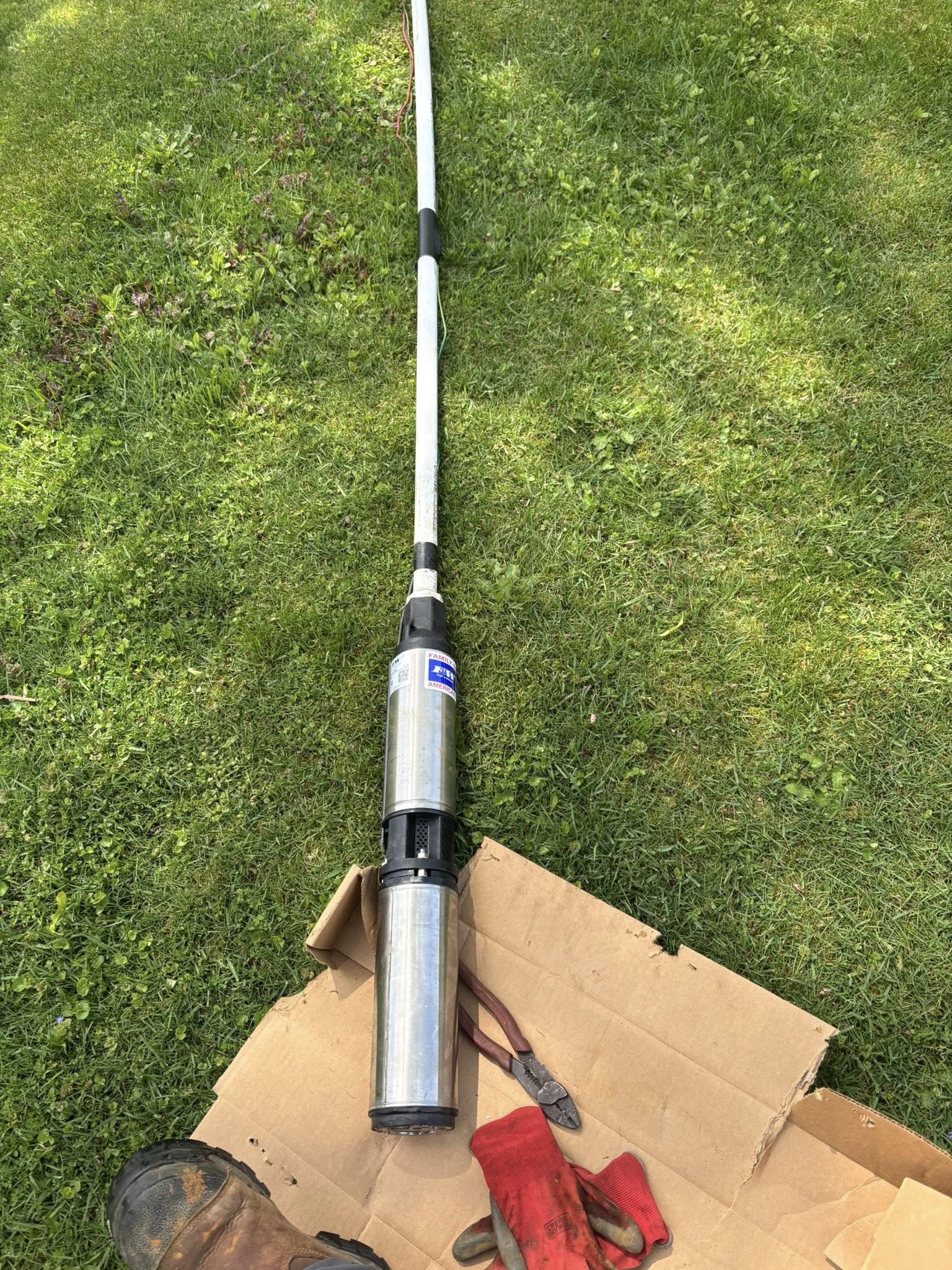
Your well pump moves water from the well into your home’s water system. The pressure tank stores pressurized water so the pump does not have to turn on every time someone opens a faucet. The pressure switch acts like the control point. It tells the pump when to start and when to stop based on system pressure.
In a typical setup, the pump turns on when pressure drops to the lower setting, then shuts off once the system reaches the higher setting. Many systems are set up around a 30/50 or 40/60 pressure range, meaning the pump starts around 30 or 40 psi and shuts off around 50 or 60 psi.
When everything is working properly, the system feels smooth. You turn on a faucet, water pressure stays steady, the tank supplies water, and the pump only runs when it needs to. When something is wrong, you may notice short cycling, pressure swings, low pressure, no water, or a pump that seems to run constantly.
Quick comparison: pressure tank vs well pump symptoms
This table gives you a fast way to sort through the most common symptoms.
| Symptom | More likely pressure tank | More likely well pump | Could also be |
|---|---|---|---|
| Pump turns on and off rapidly | Very likely, especially if the tank is waterlogged or has lost air charge | Less likely as the only cause | Pressure switch issue, leak, clogged line |
| Water pressure surges up and down | Common pressure tank symptom | Possible if pump output is weak or inconsistent | Pressure switch, filter, treatment equipment |
| No water at all | Possible, but not always the first suspect | Very possible, especially if the pump will not start or cannot build pressure | Breaker, controls, pressure switch, dry well, major leak |
| Pump runs but pressure does not build | Possible if tank or system pressure is abnormal | Likely pump, well, leak, or control problem | Broken pipe, check valve, low water level |
| Pump never shuts off | Possible if the pressure system is not behaving correctly | Possible if pump cannot reach cut-off pressure | Leak, switch issue, worn pump, water level problem |
| Pressure is fine for a moment, then drops hard | Possible tank issue | Possible pump supply issue | Clogged filters, undersized equipment, demand exceeding supply |
Signs your pressure tank may be the problem
The pressure tank’s job is to store pressurized water and protect the pump from turning on constantly. When the tank fails, the pump may start and stop too often, pressure may swing, and the entire system can feel unstable.
1. The pump short cycles
Short cycling means the pump turns on and off rapidly. You may hear clicking near the pressure switch, notice the pump starting every few seconds, or see the pressure gauge bounce quickly between settings. This is one of the most common signs of a bad pressure tank or lost air charge.
2. Water pressure rises and falls quickly
A healthy pressure tank helps smooth out the pressure in the home. If the pressure feels strong for a second and then drops, or if the flow pulses while water is running, the tank may not be holding pressure correctly.
3. The pressure gauge moves too fast
If the gauge drops and climbs very quickly during normal water use, the tank may not be storing much usable water. That can force the pump to start more often than it should.
4. The tank feels unusually heavy or sounds full
Some failing tanks become waterlogged, meaning the air cushion inside the tank is gone or reduced. Without that cushion, the tank cannot do its job well.
5. The pump seems to work harder than normal
A bad tank can make a good pump work too often. Over time, that can shorten the life of the pump. That is why pressure tank problems should not be ignored.
If these symptoms sound familiar, TLC’s water tank services are the most relevant next step.
Signs your well pump may be the problem
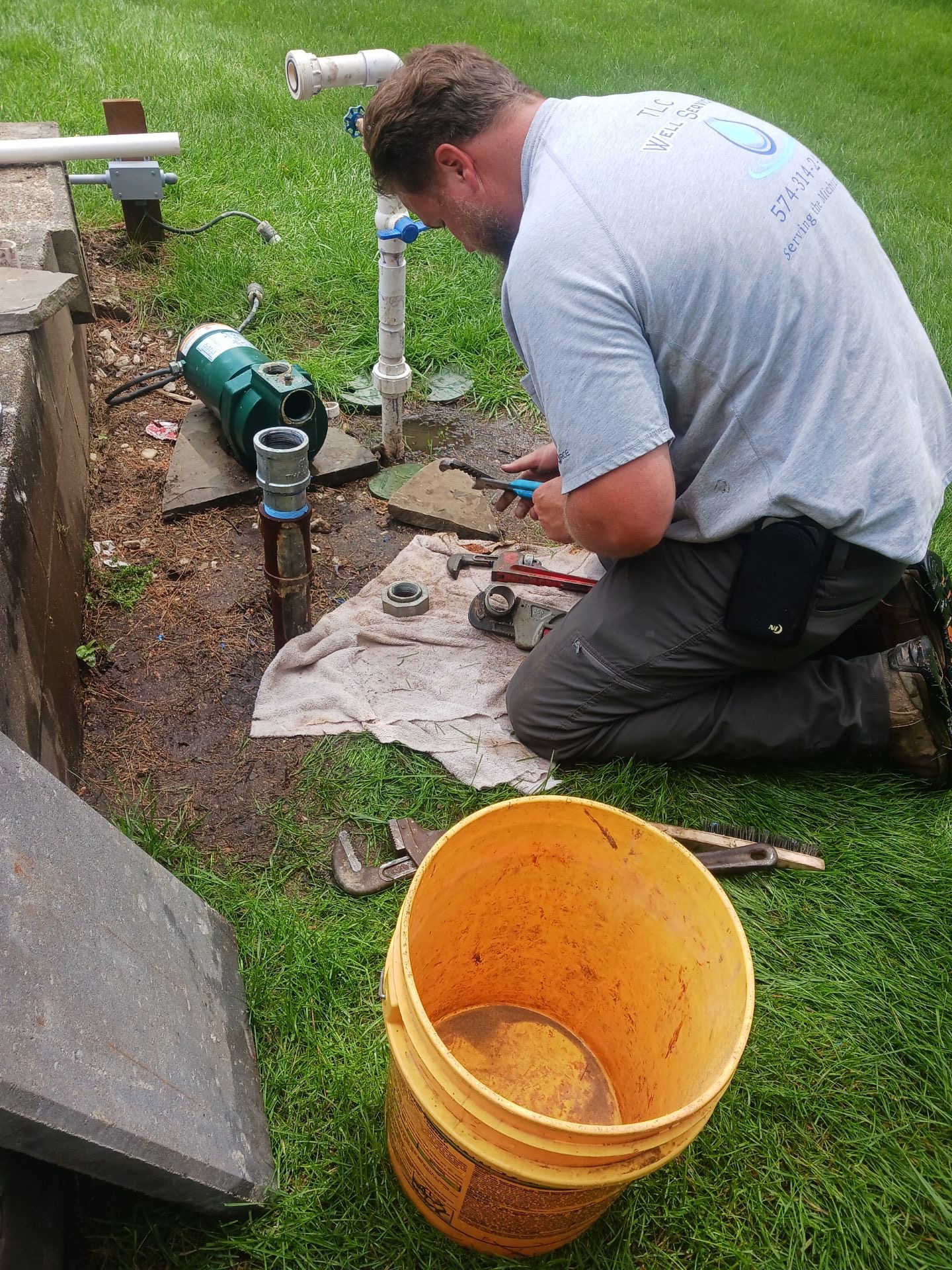
The well pump is responsible for moving water from the well into the home. When the pump is weak, failing, or unable to build pressure, the symptoms can be more severe than a tank-only issue.
1. You have no water at all
If no fixture in the home has water, the pump may not be starting, may not be receiving power, or may not be able to move water. That said, no water can also come from a breaker, pressure switch, control box, dry well, major leak, or wiring issue.
2. The pump runs but pressure does not recover
If the system sounds like it is running but pressure stays low or never reaches the shutoff range, the pump may be worn, the well may not be supplying enough water, or water may be escaping somewhere in the system.
3. Water pressure gets worse during demand
If pressure drops heavily when someone showers, runs laundry, or uses multiple fixtures, the pump may not be keeping up with household demand. It may also be a clogged filter, treatment restriction, or pressure system issue, so diagnosis matters.
4. You hear unusual pump noises
Grinding, humming, buzzing, or repeated attempts to start can all point to pump or control trouble. Electrical symptoms should be handled carefully and professionally.
5. The pump never seems to shut off
A pump that runs constantly may not be reaching the proper pressure. That can happen because of a worn pump, low well water level, a major leak, a bad pressure switch, or another system failure.
If your home suddenly has no water, start with TLC’s No Water Emergency Service page or call right away.
Where the pressure switch fits in
The pressure switch is the small but important control that tells the pump when to turn on and off. Because it sits between the tank and pump in the system’s operation, a pressure switch problem can mimic both tank and pump issues.
A pressure switch issue may cause:
- the pump to not turn on
- the pump to not shut off
- rapid clicking near the tank
- inconsistent pressure
- burned contacts or electrical trouble
- incorrect pressure readings if the line to the switch is clogged
Pressure switch failure will get its own deeper article later in this content plan, so this post will not overtake that topic. For now, the key takeaway is simple: if the tank and pump both seem suspicious, the switch may be part of the story too.
What homeowners can check first
Before assuming a major part has failed, gather a few safe observations. This can help TLC understand the situation faster when you call.
Check if the issue affects the whole home
If only one faucet has weak pressure, the problem may be local to that fixture. If the whole home has pressure trouble, the well system, tank, pump, switch, or treatment equipment is more likely involved.
Watch the pressure gauge
If you can safely see the pressure gauge near the tank, watch what happens while water is running. Does pressure drop fast? Does it climb back up? Does the pump shut off? Does it bounce rapidly? These clues help separate tank behavior from pump performance.
Listen for pump cycling
If the pump clicks on and off every few seconds, that is classic short cycling behavior. Short cycling often points toward the pressure tank, pressure switch, or a leak.
Check filters and treatment equipment
A clogged sediment filter or treatment system can make a healthy pump and tank look like they are failing. If water pressure dropped gradually, check simple restrictions first.
Look for visible leaks
A leak can cause the pump to run often, prevent pressure from building, or create pressure drops that mimic tank or pump failure.
What if you have no water at all?
No water is more urgent than a minor pressure issue. If every fixture in the home has stopped producing water, the issue may involve the pump, power, switch, control box, dry well, a major leak, or another system failure.
You can check the basics:
- Confirm the issue affects the whole house.
- Check for a tripped breaker one time.
- Do not keep resetting the breaker if it trips again.
- Listen for pump activity if you can do so safely.
- Call for emergency help if water does not return quickly.
For urgent situations, use TLC’s No Water Emergency Service page or contact the team directly through TLC’s contact page.
When to call a professional
You should call a professional when the symptoms go beyond a simple filter change or fixture issue. Tank and pump problems can overlap, and replacing the wrong part can waste money while the original issue remains.
Call TLC Well Service if:
- your pump is short cycling
- your pressure swings up and down
- you have no water at the whole house
- the pump runs but pressure does not build
- the pump will not shut off
- the breaker trips when the pump turns on
- you hear humming, grinding, clicking, or buzzing
- you see leaks near the pressure tank or equipment
- you are not sure if the tank, pump, or switch is the true issue
A professional diagnosis can help identify the actual cause and protect the pump from unnecessary wear.
Tank, pump, or pressure switch?
You do not have to guess. TLC Well Service can inspect the system, explain the issue clearly, and recommend the right next step for your home.
How TLC Well Service can help
TLC Well Service helps homeowners across South Bend, Elkhart, Mishawaka, Granger, Goshen, Nappanee, and surrounding Northern Indiana communities with well system diagnosis, pump issues, pressure tank service, no-water emergencies, inspections, and ongoing well maintenance.
If the symptoms point toward the tank, TLC can help with water tank service. If the symptoms point toward the pump or full well system, the broader well services page is the best next step. If water has stopped completely, use the no-water emergency page or call immediately.
Frequently asked questions
How can I tell if my pressure tank is bad?
Common signs include short cycling, pressure surges, rapid gauge movement, clicking near the pressure switch, and a tank that is not storing pressure properly.
How can I tell if my well pump is bad?
Common signs include no water, weak recovery, the pump running without building pressure, unusual noises, or pressure that drops badly under normal household demand.
Can a bad pressure tank damage the well pump?
Yes. A bad tank can cause the pump to start and stop too often. That short cycling can add wear and shorten the pump’s life.
Does short cycling always mean the pressure tank is bad?
No. It often points toward the tank, but a pressure switch issue, leak, clogged line, or other pressure problem can also cause short cycling.
Should I replace the pump or tank first?
Do not guess. The right part to repair or replace depends on testing the system and identifying the true cause.
What should I do if I have no water at all?
Confirm it affects the whole house, check the breaker one time, and call for help if water does not return. If the breaker trips again, stop resetting it and contact a professional.
Final takeaway
A pressure tank problem and a well pump problem can feel similar from inside the house, but they are not the same issue. A bad tank often causes short cycling, pressure swings, and rapid gauge movement. A bad pump often shows up as weak recovery, no water, poor flow under demand, or pressure that will not build.
The smartest move is to avoid guessing. Watch the symptoms, check the simple things safely, and call TLC Well Service when the issue points to the tank, pump, switch, or full well system.
Need help diagnosing your well system?
TLC Well Service provides well services, pressure tank support, no-water help, and practical troubleshooting for homeowners throughout Northern Indiana.