When Should You Shock Chlorinate a Well in Northern Indiana?
Quick answer: A private well may need shock chlorination after a positive bacteria test, flooding or surface-water intrusion, certain well or pump repairs, a new well installation, or recurring bacteria-related taste and odor concerns. Shock chlorination is a disinfection process, not a solution for every water problem, so testing and proper diagnosis matter before and after treatment.
Concerned about bacteria or contamination in your well?
TLC Well Service helps Northern Indiana homeowners with private well testing, professional well system service, contamination concerns, purification options, and chlorination-related treatment decisions.
Table of Contents
- What is shock chlorination?
- When should you shock chlorinate a well?
- What shock chlorination cannot fix
- Shock chlorination after flooding or storm damage
- Shock chlorination after well or pump repairs
- Why water testing matters first
- What the professional process generally includes
- What happens after treatment?
- When to call TLC Well Service
- Frequently asked questions
For homeowners who rely on a private well, water safety is a personal responsibility. City water systems are regularly managed and tested by the utility. A private well depends on the homeowner recognizing changes, scheduling water testing, and responding when something may have entered the system.
Shock chlorination is one tool used when bacteria or certain odor-causing organisms may be present in a well and household plumbing system. It is sometimes recommended after flooding, repairs, a positive bacteria test, or other events that could introduce microorganisms into the water supply.
This article is a focused supporting resource for TLC’s broader home well system troubleshooting guide. Here, the focus is specifically on disinfecting a private well, the situations that may call for shock chlorination, and the importance of professional help and follow-up testing.
What is shock chlorination?
Shock chlorination, also called well disinfection, uses a strong chlorine solution for a limited period of time to disinfect a well and the connected water system. The goal is to reduce or eliminate microorganisms such as coliform bacteria, E. coli, and nuisance bacteria that may contribute to odor or slime.
In Indiana, the Indiana Department of Environmental Management describes shock chlorination as a method that can reduce harmful microorganisms along with harmless bacteria that cause unpleasant tastes and odors. It is often used as a corrective or preventive step after an event that may introduce bacteria into a private well.
When should you shock chlorinate a well?
Shock chlorination is generally considered in specific situations, not simply as a routine fix for every taste, smell, or appearance problem.
| Situation | Why chlorination may be recommended | Recommended next step |
|---|---|---|
| A bacteria test comes back positive | Coliform bacteria or E. coli may indicate that contamination has entered the well or plumbing system. | Contact a well professional and arrange follow-up testing after disinfection. |
| The well was affected by flooding or surface runoff | Floodwater can carry bacteria and other contaminants into or around the well. | Use a safe water source until the well is inspected, disinfected as appropriate, and tested. |
| The well system was opened for repair | Repairs to the pump, well cap, piping, or related components can create a path for bacteria to enter. | Ask the contractor if disinfection and follow-up testing are needed after service. |
| A new well or component was installed | New installation work commonly includes disinfection before normal use. | Confirm that proper testing and disinfection steps have been completed. |
| Recurring odor, slime, or nuisance bacteria are suspected | Certain nuisance bacteria can create odor and buildup inside the water system. | Test and diagnose first, since recurring issues may require ongoing treatment. |
| Water quality changes suddenly | A sudden change in smell, taste, or clarity can be a warning sign of contamination or system disturbance. | Schedule testing before choosing the treatment path. |
After a positive bacteria test
If testing shows total coliform bacteria or E. coli, the result needs attention. A professional can help inspect the well, identify possible entry points, perform disinfection as appropriate, and confirm the water is safe through follow-up testing.
After flooding or surface water exposure
A flooded well should be treated seriously. Floodwater can carry sewage, animal waste, chemicals, debris, and microorganisms. Chlorination may be part of recovery from bacterial contamination, but it is not enough for fuel, pesticide, or chemical contamination concerns.
After well, pump, or plumbing work
When part of the private well system is opened or disturbed for repair, microorganisms can be introduced even when the work is performed carefully. Disinfection may be advised after certain repairs or new equipment installations.
For recurring odor or nuisance bacteria concerns
Some homeowners consider chlorination because of odor, slime, or recurring water quality issues. In those cases, testing first is especially important. An odor may come from sulfur bacteria, the water heater, iron, treatment equipment, or another source that calls for a different solution.
What shock chlorination cannot fix
One of the most important things a homeowner should understand is that chlorinating a well does not make every water quality problem disappear.
Shock chlorination does not correct problems caused by:
- nitrates
- pesticides or herbicides
- fuel or petroleum contamination
- toxins or industrial chemicals
- hard water minerals
- iron staining when the underlying mineral issue remains
- failing well construction or repeated surface-water intrusion
If bacteria keep returning after disinfection, there may be an ongoing contamination pathway. That can include a damaged well cap, casing issue, poor drainage around the wellhead, septic-related concern, or another structural or environmental source. In those situations, repeated chlorination alone may not solve the root problem.
Shock chlorination after flooding or storm damage
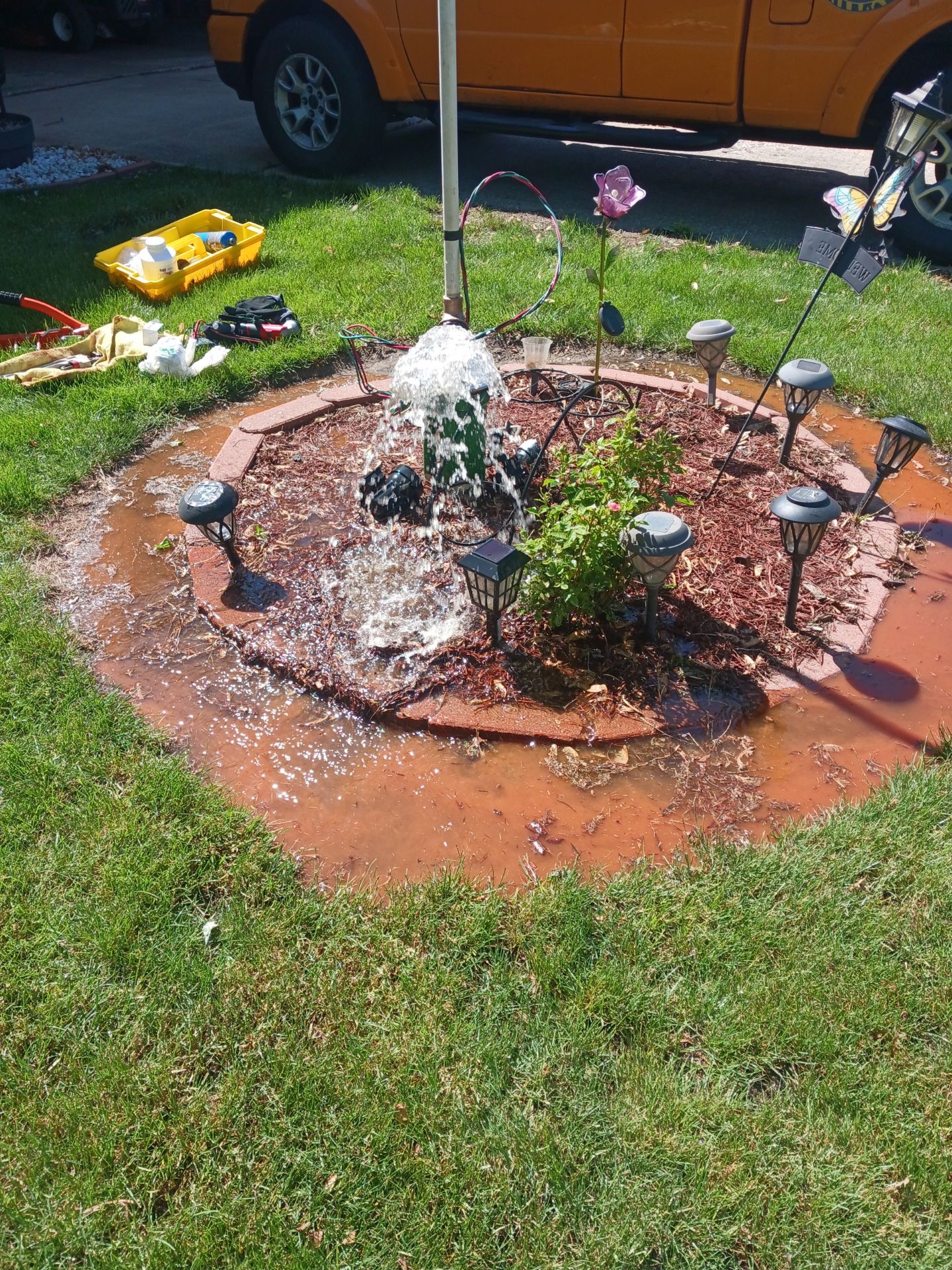
Heavy rain and flooding can be especially concerning for private well owners. If floodwater reaches the wellhead, surrounds the casing, damages electrical equipment, or changes the appearance or smell of the water, it is smart to treat the water as potentially unsafe until you have clear answers.
After a flood or suspected contamination event:
- Do not drink the well water or use it for cooking until safety has been confirmed.
- Use bottled water or another confirmed safe water source.
- Do not work around damaged electrical well equipment.
- Contact a well or pump professional for inspection and disinfection guidance.
- Arrange testing after treatment before returning to normal drinking-water use.
The CDC specifically warns that working on a well after flooding or disaster conditions can be hazardous and recommends using a well or pump contractor for disinfection because of the electrical and contamination risks involved.
Shock chlorination after well or pump repairs
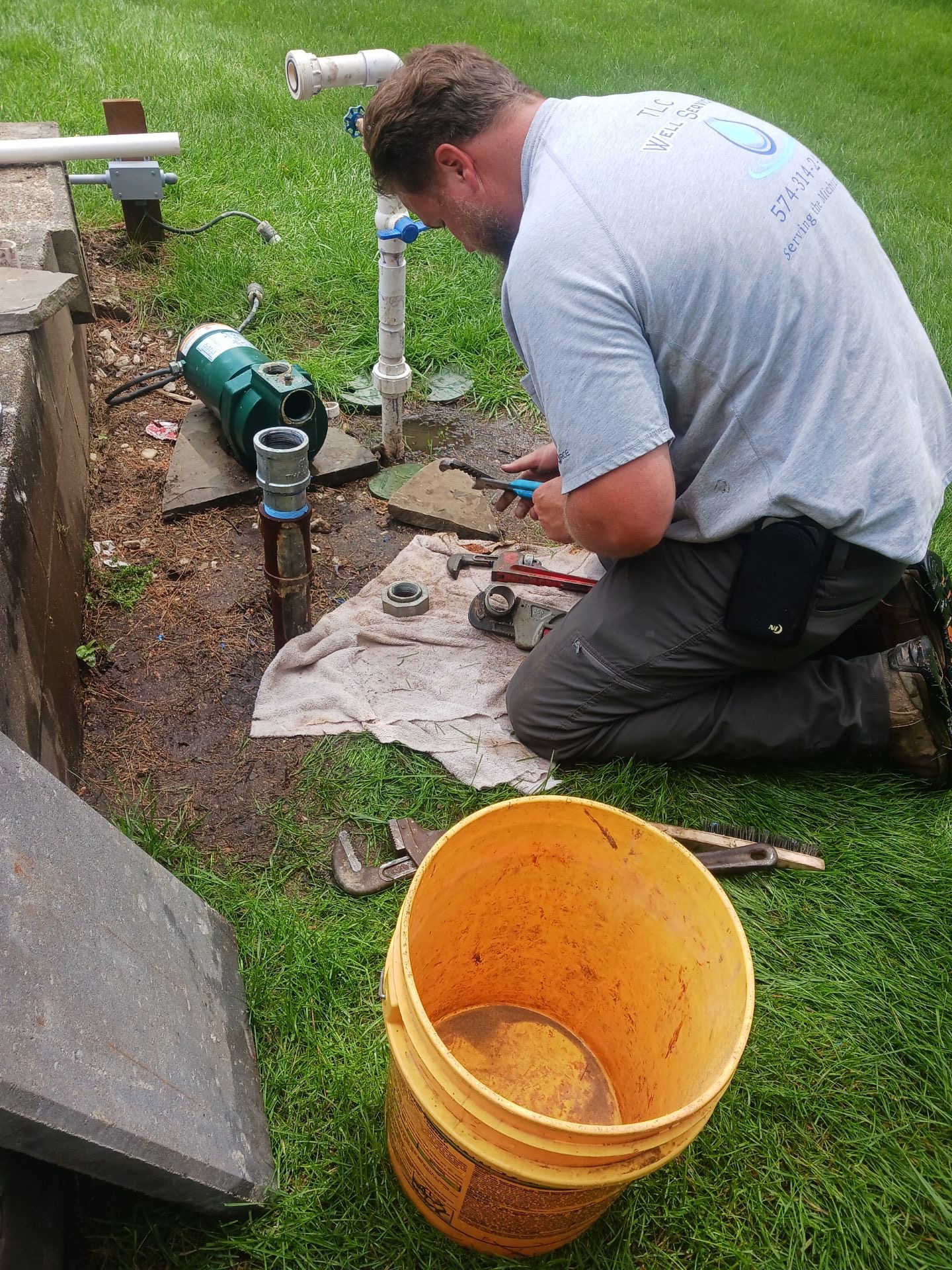
Not every repair leads to contamination, but repairs can create an opportunity for bacteria to enter a system. Work involving the well cap, pump, drop pipe, pressure system, piping, or other components may call for disinfection and testing after the repair is complete.
This is especially important when:
- the well was opened during the repair
- a pump was installed or replaced
- the well cap or casing was repaired
- piping or fittings connected to the well were replaced
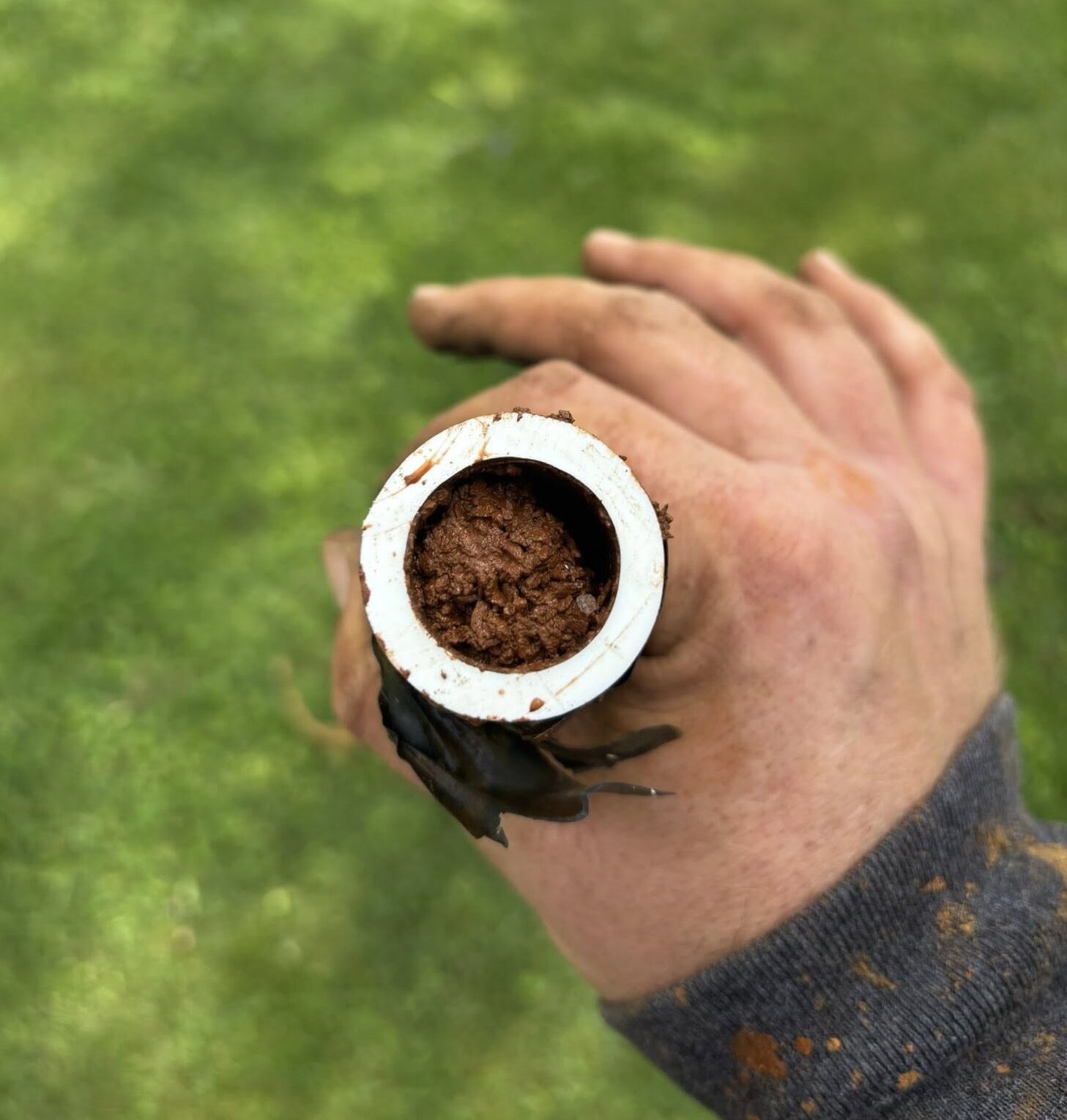
- dirty or discolored water appears after service
- a bacteria test is positive after repairs
If you are already scheduling repair work, ask about water testing and disinfection at the same time. TLC offers professional well services along with well water testing support, which helps keep the process connected from diagnosis through safe water confirmation.
Why water testing matters first
Testing helps separate a bacteria problem from a mineral, odor, chemical, or mechanical issue. Without testing, homeowners can spend money treating the wrong problem or assume water is safe based only on appearance.
Testing is especially important when:
- your water suddenly smells, tastes, or looks different
- the well has been affected by flooding
- your well has recently been repaired
- someone in the home has unexplained gastrointestinal illness
- you have never tested the private well before
- you are considering new purification or disinfection equipment
A clear glass of water cannot tell you if bacteria, nitrates, or other contaminants are present. Testing provides the information needed to select a responsible next step.
Start with the right information
If you are concerned about bacteria, odor, flooding, or a recent repair, TLC Well Service can help you plan the proper testing, service, and water treatment path for your home.
What the professional process generally includes
Shock chlorination is more involved than simply pouring bleach into a well. The correct process depends on the well, the water system, the reason for disinfection, connected treatment equipment, and the results of follow-up testing.
A professional approach generally includes:
Start with the reason for treatment, such as flooding, repair work, a positive bacteria test, odor, or an unusual water-quality change.
Check for damage, openings, wellhead concerns, equipment issues, or ongoing pathways that may allow contamination to return.
Some treatment systems, filters, and household equipment may need special handling or bypass procedures during chlorination.
The treatment is applied through the appropriate parts of the water system using proper safety steps and a treatment plan matched to the well.
After the required contact period, chlorinated water must be flushed safely before the system returns to normal use.
Follow-up testing confirms if bacteria have been addressed and helps identify recurring contamination concerns.
What happens after treatment?
Disinfection is not complete just because the chlorine treatment has been introduced into the system. The water still needs to be flushed appropriately, and follow-up testing is essential before assuming the concern has been resolved.
After shock chlorination:
- do not use heavily chlorinated water for drinking or cooking
- follow professional instructions for flushing the system
- protect septic systems, landscaping, and surface water from unnecessary chlorine discharge
- have the well water tested by an appropriate laboratory after treatment
- investigate further if bacteria return or water-quality problems continue
If bacteria repeatedly return after treatment, the next step may involve finding a physical pathway for contamination or considering longer-term treatment options. TLC’s water purification services can help homeowners explore solutions when water quality concerns are persistent rather than one-time events.
When to call TLC Well Service
Call TLC Well Service when you need help making sense of a private well water concern, especially after a positive bacteria test, flooding, repairs, unusual odors, recurring contamination, or other water-quality changes.
TLC can help homeowners across South Bend, Elkhart, Mishawaka, Granger, Goshen, Nappanee, and surrounding Northern Indiana communities with:
- private well system inspections
- water quality testing support
- well and pump repairs
- contamination-related service recommendations
- shock chlorination and disinfection guidance
- water purification solutions for ongoing concerns
If you have a broader well system question, visit TLC’s home well troubleshooting guide. For inspection, repair, and system service needs, explore well services. For water treatment concerns, visit water purification.
Frequently asked questions
When should you shock chlorinate a well?
Shock chlorination may be recommended after a positive bacteria test, flooding or surface-water intrusion, certain well repairs, new well installation, or bacteria-related odor and slime concerns.
Should I shock chlorinate my well after flooding?
A flooded well may need disinfection and testing, but flooding can involve electrical and chemical hazards. Use safe drinking water until the well has been evaluated, treated as appropriate, and confirmed safe through testing.
Does shock chlorination remove nitrates or chemicals?
No. Shock chlorination targets microorganisms. It does not correct nitrate, fuel, pesticide, toxin, or other chemical contamination.
Should a well be disinfected after pump repair?
Disinfection may be recommended after work that opens or disturbs the well or connected water system. Ask your well professional about testing and disinfection following repairs.
Can I drink the water immediately after shock chlorination?
No. The system must be properly flushed, and water should be tested as directed before returning to normal drinking and cooking use.
What if bacteria come back after the well is disinfected?
Recurring bacteria can signal an ongoing contamination pathway or a need for additional treatment. A professional inspection and follow-up testing can help identify the next step.
Final takeaway
Shock chlorination can be an important step after bacteria concerns, flooding, certain repairs, or other contamination events involving a private well. It is not a one-size-fits-all treatment, and it should not be used as a substitute for testing or fixing the source of a recurring problem.
For Northern Indiana homeowners, the safest approach is simple: respond quickly to changes in your well water, test when contamination may be present, and work with a trusted professional when disinfection, repair, or ongoing water treatment is needed.
Need help with your private well water?
TLC Well Service provides professional well service, testing support, disinfection guidance, and water purification solutions for homeowners throughout Northern Indiana.
Trusted water safety resources
For additional private well disinfection and emergency water guidance, review these official resources: