A well that runs low may fill back up, but there is no single recovery time. The answer depends on the well, groundwater conditions, recent water use, and how quickly the well normally recharges. No water can also be caused by the pump, pressure tank, controls, electrical system, water lines, or a clogged filter.
If your water has stopped, protect the equipment and arrange a professional diagnosis. TLC Well Service can check the complete system and explain whether the problem is low well yield or a repairable equipment issue.
If a well runs dry, will it fill back up?
Many wells are not permanently dry. They may recover when household demand drops, groundwater slowly moves back into the well, or seasonal conditions improve. A well that refills slowly may provide water again after a rest but lose pressure or stop during heavier use.
Rain does not always create an immediate change. Groundwater recharge can take time, and local soil, rock, well depth, and aquifer conditions all affect the result. A technician needs to measure how the system performs instead of guessing from recent weather alone.
What to do right away
- Stop high-demand water use. Pause irrigation, laundry, dishwashing, long showers, and other nonessential use.
- Do not keep resetting a tripped breaker. A breaker that trips again can signal a pump or electrical problem that needs service.
- Do not open electrical controls or a pressurized tank. Leave testing and repairs to a trained well professional.
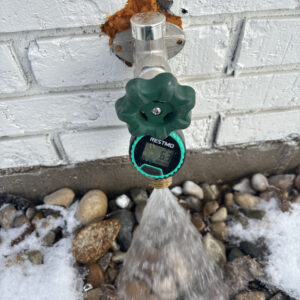
- Look for visible leaks without taking equipment apart. Note water around the tank, wet ground near the well, or an obvious leak in the home.
- Write down what happened first. Low pressure, sputtering, rapid cycling, new sounds, cloudy water, or a gradual change can help narrow the cause.
- Call for a complete system check. TLC can test the likely components and explain the repair you actually need.
If your home has no water now, visit the No Water Emergency page for the fastest way to reach TLC.
How long does a well take to refill?
There is no dependable time estimate without testing the well. Some low-yield wells recover enough water for limited use after a quiet period. Others continue to fall behind normal household demand. A well may also appear to recover when an overheated or overloaded pump cools down, even though the real problem is mechanical or electrical.
That uncertainty is why repeated testing at the faucet is not a diagnosis. If water returns and then stops again, reduce use and schedule service instead of making the pump repeat the same stressful cycle.
No water may be an equipment problem
A home can lose water even when the well still contains water. Common areas TLC may need to check include:
- Pump operation and water delivery
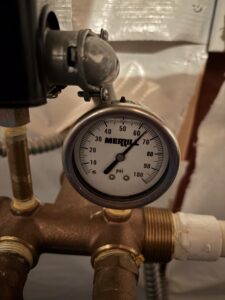
- Pressure tank, switch, gauge, and controls
- Electrical components serving the pump
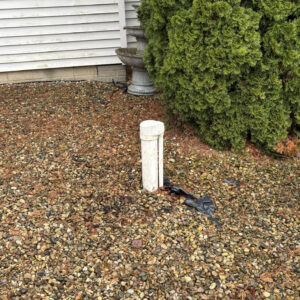
- Well-head parts, fittings, and visible connections
- Underground and interior water lines
- Filters or water-treatment equipment that may be restricting flow
A sudden outage with no earlier warning often points toward an equipment, control, electrical, or line problem. A gradual pattern that becomes worse during heavy use or dry weather may be more consistent with changing well performance. Either way, the symptoms need to be tested.
What TLC does during a no-water visit
TLC asks what changed, inspects the likely parts of the well system, tests how the equipment is operating, and identifies the source of the problem. We then show you what we found and explain the practical repair options before work moves forward.
The repair may involve the pump, pressure equipment, controls, a damaged fitting or water line, a filter, or another connected part. If the well is struggling to keep up, TLC can also explain whether changes in water use, pump protection, maintenance, or a properly selected water tank could help the system operate more reliably.
Should you use the water after it returns?
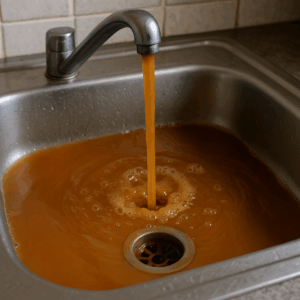
Pay attention to any change in color, odor, taste, or sediment after service is restored. A system that lost pressure or produced disturbed sediment may need inspection, flushing, water-quality guidance, or testing based on what happened. TLC can help you decide on the appropriate next step.
How to reduce the chance of another outage
- Have the private well system inspected each year
- Schedule service when pressure, cycling, sound, color, taste, or odor changes
- Repair leaks that make the pump run unnecessarily
- Spread out high-demand activities if the well recovers slowly
- Ask whether dry-run protection or a water tank is appropriate for the system
For more background, read Can a Home Well Run Dry? For dry-weather concerns, see Will a Well Dry Up in a Drought?
Get your water working again
TLC Well Service helps homeowners across Northern Indiana with no-water calls, well repair, pump service, pressure equipment, water lines, water tanks, inspections, and water-quality support. Tell us what changed and we will trace the problem through the system.