Buying a Home With a Well? 10 Things to Check Before Closing
Quick answer: Buying a house with a well can be a great choice, but the water system deserves the same careful attention as the roof, foundation, heating system, and septic system. Before closing, confirm the well location and records, test the water, inspect the pump and pressure tank, check water pressure and flow, review treatment equipment, and make sure you understand any upcoming repair or maintenance needs.
Buying a Northern Indiana home with a private well?
TLC Well Service helps buyers and homeowners better understand private well systems through inspections, water testing support, pump and tank service, and practical recommendations before problems become expensive surprises.
Table of Contents
- Why a private well deserves attention before closing
- 10 things to check before buying a home with a well
- How to find Indiana well records
- What to know about water testing before closing
- What a well system inspection should look at
- Red flags buyers should not ignore
- Planning for well ownership after closing
- How TLC Well Service can help
- Frequently asked questions
A home with a private well can offer quiet country living, control over your home’s water system, and dependable water for years when the system is properly maintained. It also comes with responsibility. With a private well, the homeowner is responsible for monitoring water quality, maintaining the equipment, and responding to repairs.
That makes the homebuying process an important moment. Before you sign closing papers, you want to know two things: Is the water suitable for household use, and is the equipment likely to perform reliably after you move in?
For buyers in South Bend, Elkhart, Mishawaka, Granger, Goshen, Nappanee, and surrounding Northern Indiana communities, a well inspection and water test can give you clearer information before you take ownership of the home.
Why a private well deserves attention before closing
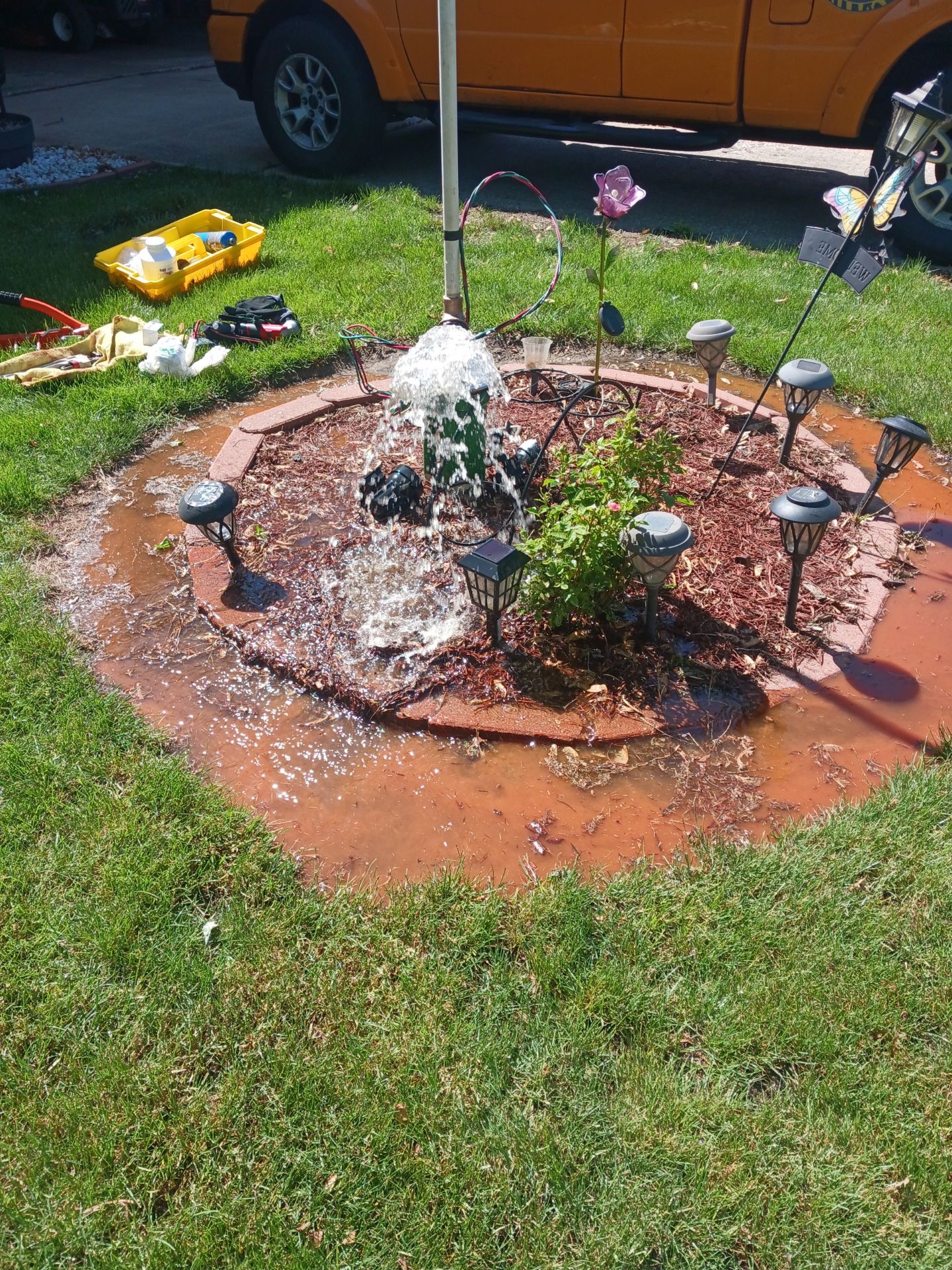
A typical home inspection may identify visible issues around a property, but a private well has specialized components and water-quality questions that deserve focused attention. A faucet can produce water during a showing while hidden issues still exist, including weak recovery, worn pump equipment, an aging pressure tank, contamination concerns, damaged wellhead components, or treatment equipment that needs service.
In Indiana, private well water is not regulated in the same way as water from a public system. That means buyers should not assume water has recently been tested simply because the home is occupied and the faucets work.
Local requirements can also matter. In St. Joseph County, water quality testing is required any time a property with an onsite well is sold. If you are buying outside St. Joseph County, check with the county health department, your real estate professional, and your lender for any applicable requirements.
10 things to check before buying a home with a well
Locate the well and inspect the wellhead
Find out where the well is located on the property. Look for a visible, accessible wellhead with a secure cap and no obvious damage, standing water, or surface runoff flowing toward it.
Request the well record or well log
A well record may provide useful information about construction, depth, location, and installation history. Indiana property buyers can search available records through the Indiana DNR Water Well Record Database.
Test the drinking water
Water testing helps identify concerns that cannot be confirmed by taste, smell, or appearance alone. Ask for current testing and confirm the results are appropriate for the property and purchase situation.
Inspect the pump system
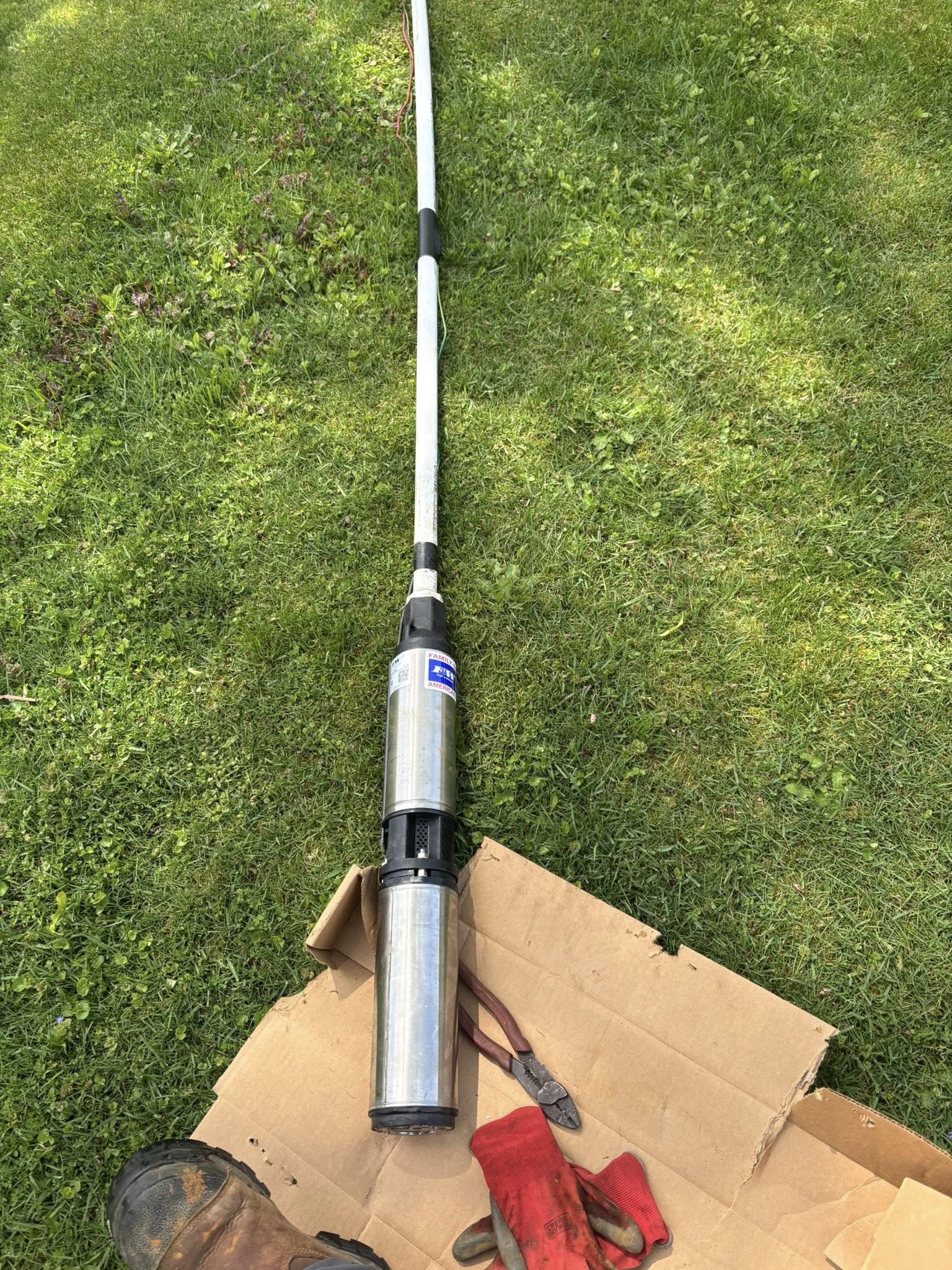
The pump moves water from the well into the home. Ask about the pump age, installation history, repair records, and any past no-water or low-pressure issues.
Check the pressure tank and controls
The pressure tank and switch help manage steady household water pressure. Short cycling, pressure swings, leaks, or unusual clicking may signal upcoming service needs.
Test water pressure and flow
Run multiple fixtures and ask about system performance during normal household demand. A home needs dependable flow for showers, laundry, cooking, and everyday use.
Ask about water quality history
Ask about past bacteria tests, odor issues, staining, sediment, hard water, iron, sulfur smells, disinfection, and any recurring treatment needs.
Review purification and treatment equipment
Look for softeners, iron filters, reverse osmosis equipment, UV systems, sediment filters, or other treatment components. Ask how old they are and how they have been maintained.
Look for contamination risks nearby
Consider septic systems, agricultural activity, fuel storage, drainage patterns, flooding history, and chemicals stored near the well area. These details can help guide testing decisions.
Understand future maintenance needs
Ask what service, testing, filtration upkeep, tank work, or pump replacement may be coming. Knowing the likely ownership costs helps you make a more informed purchase decision.
How to find Indiana well records
Before closing, ask the seller for any well records, service invoices, test results, equipment manuals, and water treatment maintenance history. If records are missing or incomplete, the Indiana Department of Natural Resources provides an online Water Well Record Database that can help residents search public well records using available property information.
A well record may help you understand:
- where the well is located
- when it was installed
- the documented well depth
- construction details recorded when the well was drilled
- information that may help a professional understand the system
A record is helpful, but it does not replace an inspection or current water test. A well can change over time, equipment can be replaced, and water quality can shift due to environmental conditions or system wear.
What to know about water testing before closing
Clear, odor-free water does not automatically confirm safe water. A laboratory test provides information that sight and taste cannot. The EPA recommends that private wells be tested annually for total coliform bacteria, nitrates, total dissolved solids, and pH, with additional testing based on local risks or specific concerns.
TLC’s existing local testing guide recommends annual checks for total coliform and E. coli, nitrate, pH, and total dissolved solids, along with additional testing based on the property, location, past results, and water-quality concerns.
| Testing consideration | Why it matters before buying | Good question to ask |
|---|---|---|
| Bacteria testing | Helps identify sanitary contamination concerns in the water supply. | Has the water recently been tested for total coliform and E. coli? |
| Nitrate testing | Important for private wells, especially in areas influenced by agriculture, septic systems, or runoff. | Has nitrate testing been completed recently? |
| pH and dissolved solids | Helps establish a general baseline for water chemistry and changing conditions. | Are there recent baseline results available? |
| Metals or local concerns | Some properties may need more testing based on location, history, staining, taste, or prior results. | Has the home had arsenic, lead, iron, manganese, or other local-concern testing? |
| Treatment equipment review | A treatment system may indicate a known water-quality concern or ongoing maintenance need. | What does each treatment unit address, and when was it last serviced? |
In St. Joseph County, onsite well properties require water quality testing when a property is sold. Buyers in other counties should check the applicable local requirements and include water quality review in the purchase process.
Do not purchase a private well system blindly
Before closing on a home with a well, get clear information about water quality, equipment condition, pressure performance, and likely maintenance needs.
What a well system inspection should look at
A well inspection for a home purchase should help you understand the equipment and the water supply as clearly as possible before ownership transfers. The exact scope may depend on the property and service provider, but buyers should ask about the condition and performance of the major system components.
Important well system components and performance issues include:
- wellhead condition and accessibility
- visible well cap or casing concerns
- pump operation and available service history
- pressure tank condition
- pressure switch and control behavior
- water pressure under household demand
- signs of leaks, rapid cycling, air spitting, or abnormal noise
- water treatment equipment and service history
- water test results and recommended follow-up steps
If the inspection identifies pressure problems, pump concerns, cloudy water, odor, sediment, or other warning signs, TLC’s home well system troubleshooting guide can help explain common symptom patterns. A professional inspection is still the best path before making a purchase decision around an unfamiliar well system.
Red flags buyers should not ignore
Not every issue means you should walk away from a home. Many well problems can be repaired or managed. The important thing is to identify concerns before closing instead of discovering them after you move in.
Red flags that deserve professional review include:
- no recent water test results
- a seller who cannot provide any service or equipment history
- rusty, cloudy, sandy, or bad-smelling water
- low pressure or pressure that drops badly when multiple fixtures run
- a pump that turns on and off rapidly
- visible leaks or corrosion around the pressure equipment
- damaged, poorly protected, or hard-to-locate wellhead components
- treatment equipment with no known maintenance records
- past flooding near the well without follow-up testing records
- bacteria, nitrate, or other concerning test results requiring next steps
The right response may be additional testing, negotiated repairs, system maintenance, treatment equipment service, or simply clear documentation for future ownership. The goal is informed decision-making.
Planning for well ownership after closing
Once you own a home with a private well, regular care helps protect water quality and equipment reliability. Set up a simple recordkeeping system so test results, equipment details, repairs, and filter replacement dates do not get lost.
A smart ownership plan includes:
- saving the well record and closing-related test results
- testing the well water on a regular schedule
- checking the wellhead area for damage and drainage issues
- maintaining treatment equipment and replacing filters as directed
- paying attention to changes in water pressure, taste, smell, or color
- contacting a well professional when signs of a system issue appear
If your new home already has filters, a softener, reverse osmosis, UV treatment, or iron and sulfur equipment, ask what maintenance those systems require. TLC’s water purification services can help homeowners understand treatment options and ongoing water-quality needs.
How TLC Well Service can help homebuyers
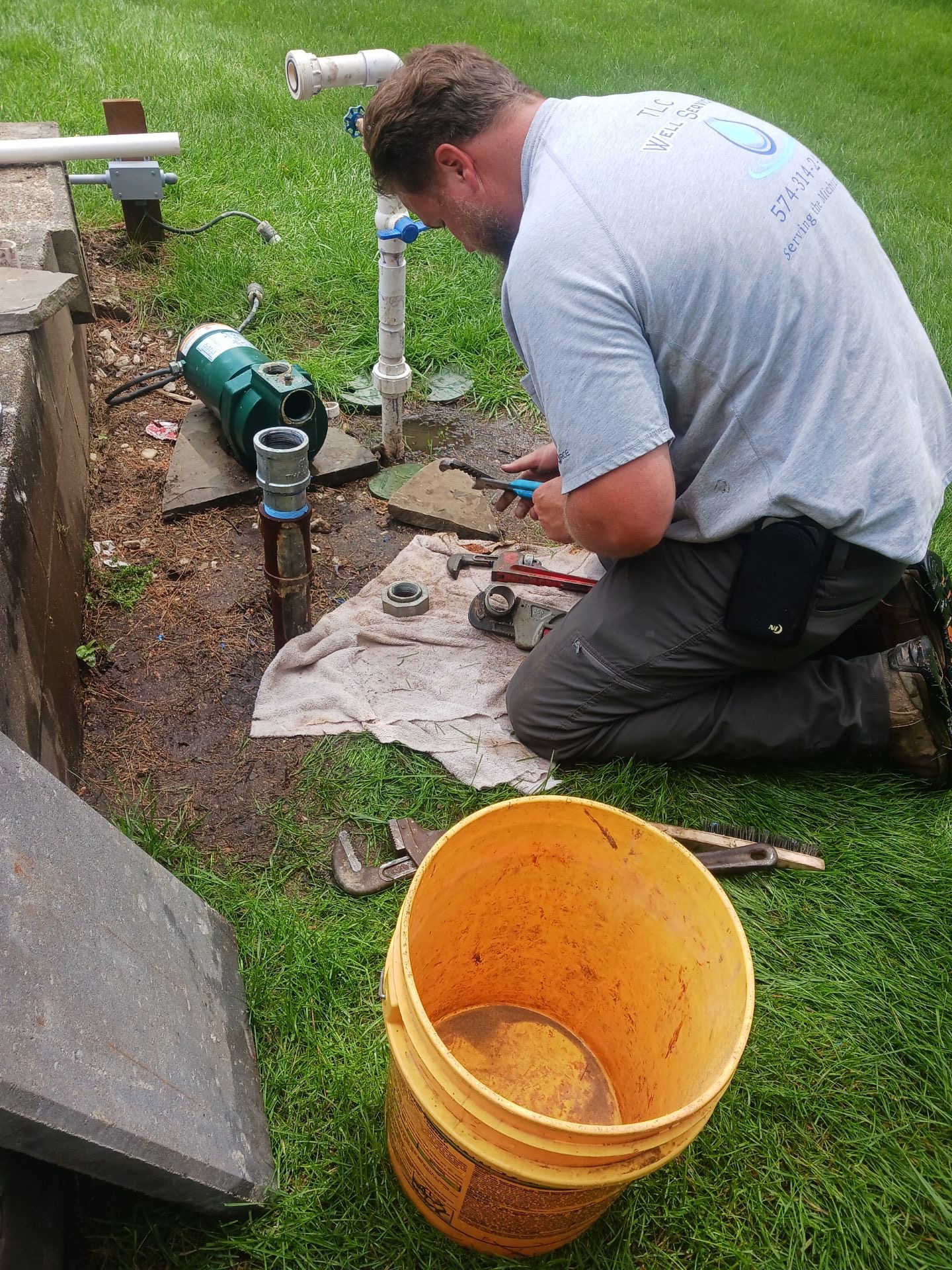
TLC Well Service supports homeowners and prospective buyers across South Bend, Elkhart, Mishawaka, Granger, Goshen, Nappanee, and surrounding Northern Indiana communities. If you are considering a home with a private well, TLC can help you better understand the condition and needs of the water system before small uncertainties turn into costly surprises.
TLC can help with:
- professional private well system inspections
- well water testing support
- pump and pressure tank evaluations
- water-quality concerns such as odor, sediment, staining, or cloudiness
- well repairs and maintenance recommendations
- water purification and treatment options
For general system service, visit TLC’s Well Services page. For testing guidance in Elkhart County and St. Joseph County, visit the local well water testing guide. To schedule help with a home purchase, reach out through the contact page.
Frequently asked questions
Is buying a house with a well a bad idea?
No. A properly functioning and maintained private well can provide dependable water for a home. The important step is checking the system condition and water quality before closing.
Should I test well water before buying a home?
Yes. Water testing helps identify concerns that are not obvious from taste, smell, or appearance. In St. Joseph County, water quality testing is required when a property with an onsite well is sold.
What should be included in a well inspection for a home purchase?
A buyer should ask about the wellhead, pump, pressure tank, controls, water pressure, visible equipment issues, treatment systems, maintenance records, and water quality test results.
How can I find a well record in Indiana?
The Indiana Department of Natural Resources provides an online Water Well Record Database that allows users to search available public well records using property information.
What if the water smells bad or looks rusty during a showing?
Do not ignore it. Water odor, staining, sediment, or discoloration can point to treatment needs, equipment problems, or water-quality concerns that should be tested and reviewed before closing.
Can TLC help with repairs after the inspection?
Yes. TLC Well Service provides well service, pump and pressure tank support, water testing guidance, maintenance, and water purification options for Northern Indiana homeowners.
Final takeaway
Buying a house with a well does not need to feel uncertain. The key is to gather the right information before closing. Find the well record, inspect the equipment, test the water, understand any treatment systems, and ask about repair and maintenance history.
A professional well inspection and current water test can help you move forward with clearer expectations and a better understanding of the home’s water system.
Buying a home with a private well?
TLC Well Service can help you understand the well system, water quality, treatment equipment, and service needs before you take ownership of the home.