How to Diagnose Common Problems With a Home Well System
Quick answer: Start by matching the symptom to the most likely cause. No water, low pressure, cloudy water, air in the lines, bad smells, and a pump that keeps turning on and off all point to different parts of the system. A few safe checks can help you narrow the issue down before you call a professional.
Need help fast?
If your home has no water, very low pressure, a failing pump, or signs of a bigger well problem, TLC Well Service is here to help with prompt, professional service across Northern Indiana.
Table of Contents
- Safety first before you diagnose
- Fast symptom-to-cause map
- Step-by-step diagnosis process
- Problem #1: No water at all
- Problem #2: Low water pressure
- Problem #3: Pump short cycling
- Problem #4: Air spitting from faucets
- Problem #5: Dirty, sandy, cloudy, or rusty water
- Problem #6: Bad odor or unpleasant taste
- Water testing and water quality basics
- When to stop troubleshooting and call a pro
- How to prevent well problems
- Frequently asked questions
A private well system has several moving parts working together. Your pump, pressure tank, controls, plumbing, treatment equipment, and the well itself all play a role in keeping water flowing clean and reliably. When something goes wrong, the symptoms can overlap. A pressure problem can look like a pump problem. A dirty-water issue can come from the well, the plumbing, or the treatment system. That is why a simple, organized diagnosis process matters.
This guide is designed to help homeowners take a smart first look at common well issues without guessing. It is also designed to help you know when a problem has moved beyond a basic check and needs professional attention.
Safety first before you diagnose
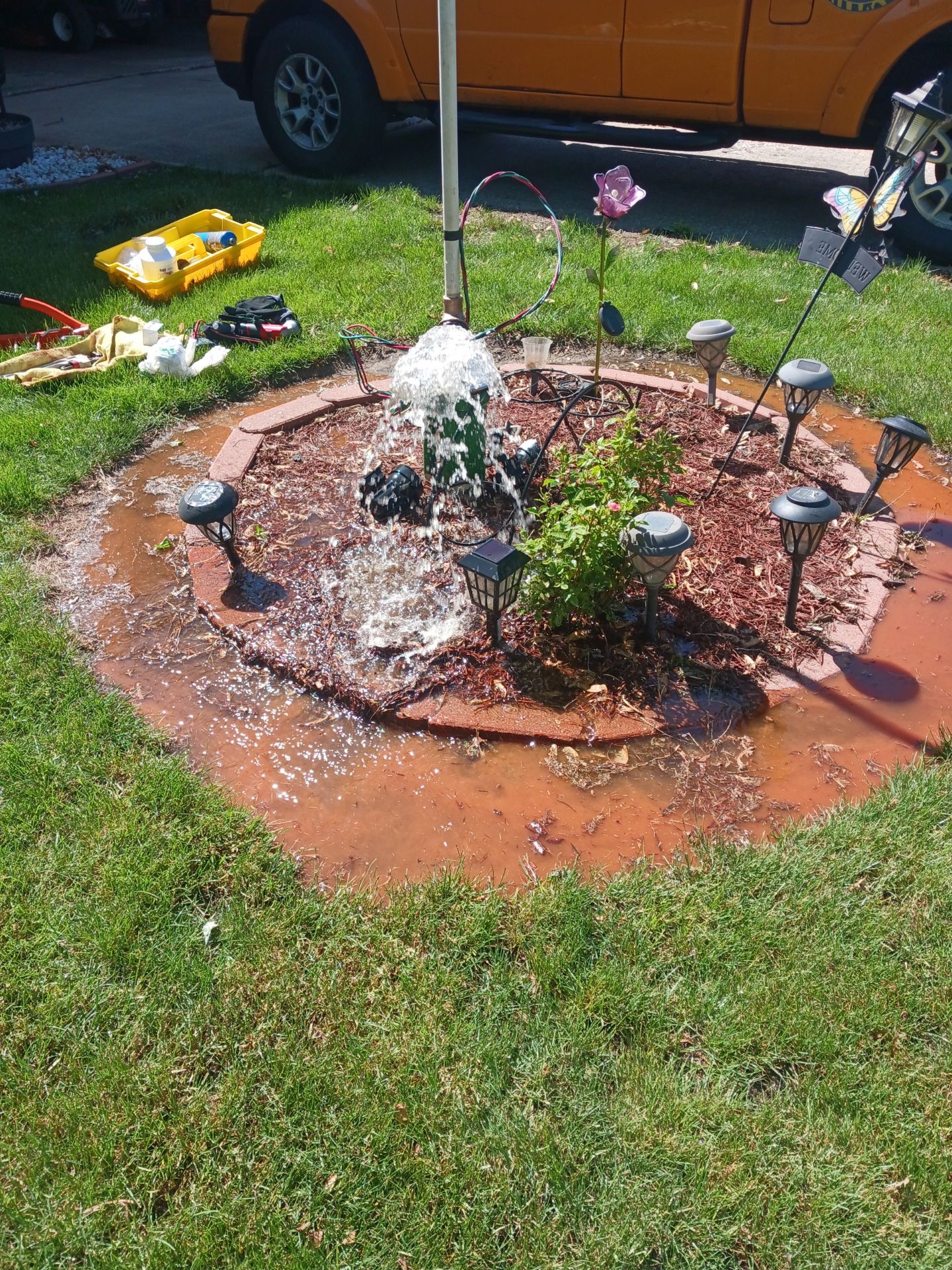
Well systems involve water, electricity, pressure, and equipment that can be dangerous if handled incorrectly. Before you check anything, keep these ground rules in mind:
- Do not touch electrical components if you see water near them.
- Do not open control boxes unless you know exactly what you are doing and power is shut off.
- Do not keep resetting a breaker that trips repeatedly.
- Do not drink water that suddenly looks contaminated, smells foul, or changed after flooding.
- Do not assume the pump is bad until the full system has been checked.
For official well owner guidance, the CDC and EPA both recommend regular testing and extra caution after flooding, repairs, or noticeable changes in water quality. You can review those resources here: CDC well testing guidance and EPA private well guidance.
Fast symptom-to-cause map
Before you dive into a full diagnosis, use this chart to narrow the field.
| Symptom | Most likely causes | Best first checks |
|---|---|---|
| No water anywhere | Tripped breaker, failed pump, failed pressure switch, major leak, dry well | Check power, pressure gauge, and listen for pump activity |
| Low water pressure | Clogged filter, pressure tank issue, hidden leak, failing pump, treatment restriction | Check gauge behavior, filters, and visible leaks |
| Pump turns on and off too often | Waterlogged tank, lost air charge, pressure switch issue, small leak | Watch the gauge while using water |
| Air spits from faucets | Low water level, suction leak, plumbing leak, pump issue | Check if it happens across multiple fixtures and after heavy water use |
| Cloudy, sandy, or rusty water | Sediment, corrosion, disturbed well, filter issue, iron or mineral content | Inspect aerators, sediment filter, and recent service history |
| Bad odor or taste | Sulfur, iron, bacteria, water heater issue, treatment need | Check if it affects hot only or both hot and cold, then plan testing |
Step-by-step diagnosis process
Use this order to avoid wasted time and unnecessary guesswork:
- Confirm the issue affects the whole home, not just one fixture.
- Check the pressure gauge near the tank, if you can do so safely.
- Listen for pump activity when someone opens a faucet.
- Check the easiest restrictions first, including filters and treatment equipment.
- Look for visible leaks, wet spots, or constant water movement when no one is using water.
- Match the symptom pattern to the likely part of the system.
- Call a professional when the issue involves power, contamination, repeated breaker trips, or uncertain pump and tank behavior.
That order gives you a clean starting point and often helps separate simple maintenance issues from more serious well or pump failures.
Problem #1: No water at all
No water is usually the most urgent symptom because it stops normal life immediately. Start with the simplest items first.
Check power to the well system
Look for a tripped breaker labeled for the well or pump. If you reset it and it trips again, stop there. Repeated resets can point to a serious electrical or pump problem.
Check the pressure gauge
If the pressure gauge reads near zero and never recovers, the system may not be building pressure. That can point to the pump, controls, power supply, or a major system failure.
Listen for the pump
If a faucet is opened and the system stays completely silent, that may suggest a power or control problem. If the pump is running but no water is coming through, the issue may be deeper in the system.
Consider dry well warning signs
If you noticed weak flow, sputtering faucets, or seasonal water issues before the outage, the well may be struggling to recover. TLC already has more specific resources on this subject here: What to Do If Your Well Runs Dry and How to Identify a Failing Well Before It Stops Working.
For urgent help, visit Contact TLC Well Service or go straight to the broader Well Services page.
Problem #2: Low water pressure
Low pressure can be frustrating because the water still works, just not well. In many homes, the cause is not the well itself but a restriction or pressure-related problem.
Check filters and treatment equipment first
A clogged sediment filter or treatment system can choke down water flow and make it seem like the well is failing. If your home has water treatment equipment, inspect that before you assume the problem is deeper. TLC also offers water purification solutions for homes with ongoing water quality and flow concerns.
Watch the pressure gauge while water is running
If pressure drops quickly and struggles to recover, that may point to a pump, pressure switch, or tank problem. If the gauge behaves normally but flow is weak at specific fixtures, the issue may be local to the plumbing.
Look for hidden leaks
A toilet that keeps running, a leak in the basement, or a damaged underground line can all reduce pressure and make the pump work harder than it should.
Persistent low pressure often overlaps with tank issues, so this is a good place to internally link to Water Tanks and How Often Should You Service Your Water Tank?.
Problem #3: Pump short cycling
Short cycling means the pump turns on and off too frequently. This is hard on the system and often points to the pressure tank or controls.
What short cycling looks like
- The pump clicks on every few seconds while water is running.
- Pressure surges at the faucet.
- The gauge rises and falls unusually fast.
- The system seems busy even during light water use.
Common causes of short cycling
The most common causes are a waterlogged pressure tank, lost air charge, a failing pressure switch, or a small leak that keeps pulling the system down. Because tanks are often the issue, readers who suspect this problem should be guided toward Water Tanks.
Problem #4: Air spitting from faucets
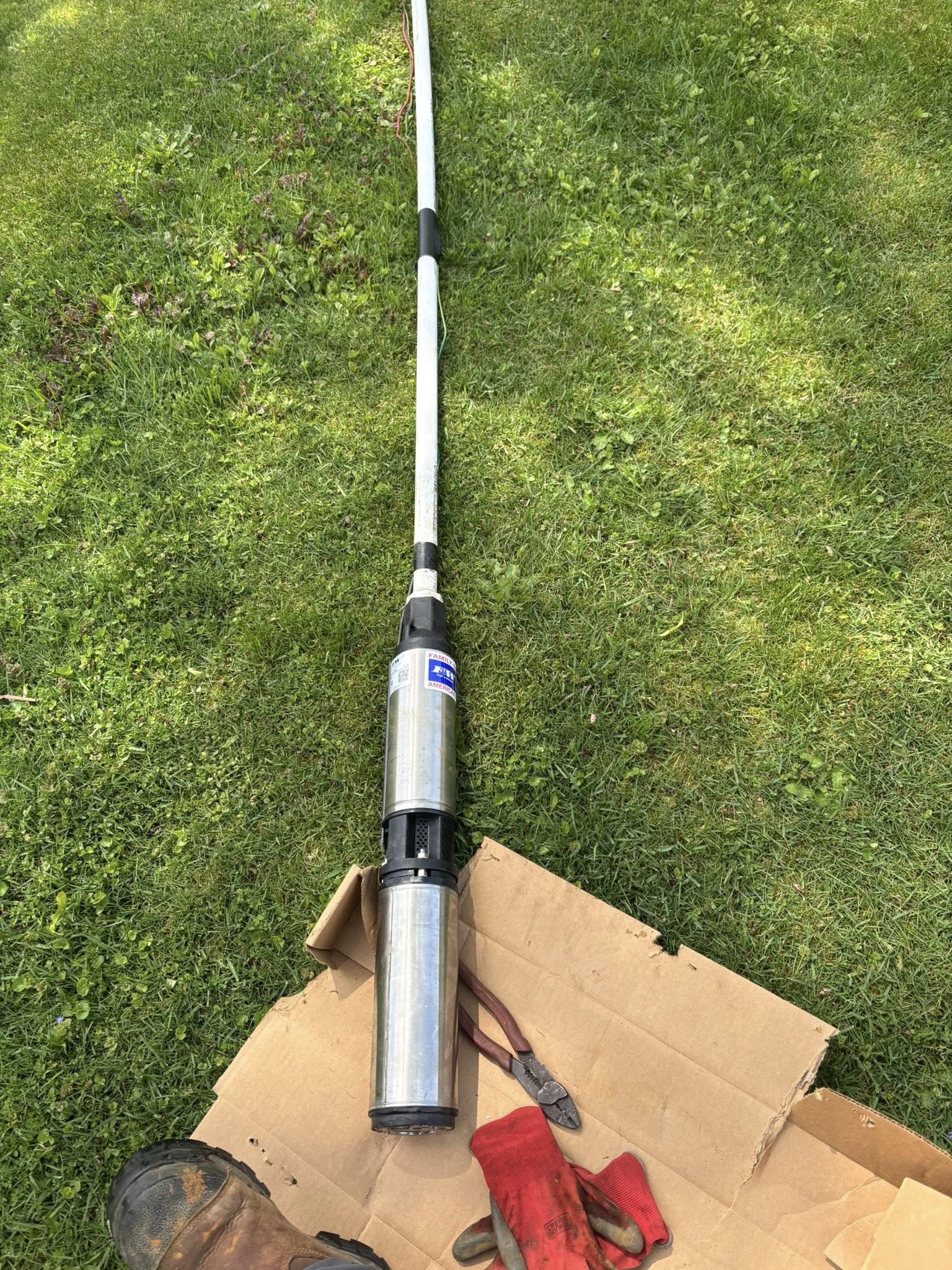
Air in the lines can happen after recent service, but repeated sputtering is worth paying attention to.
Common causes of air in well water lines
- Low well water level
- Leaks on the suction side of the system
- Plumbing leak that lets air into the line
- Pump issues affecting water delivery
If air spitting comes with reduced flow, seasonal water issues, or no-water episodes, it can be a sign of a struggling well. This is another good place to link to What to Do If Your Well Runs Dry.
Problem #5: Dirty, sandy, cloudy, or rusty water
Water that changes color or clarity should always get your attention. Some cases are temporary. Others point to a deeper issue.
Start with these fast checks
- Clean faucet aerators that may be holding sediment.
- Inspect the sediment filter, if your home has one.
- Think about recent service, storms, or line disturbances.
- Notice if the issue is constant or comes and goes.
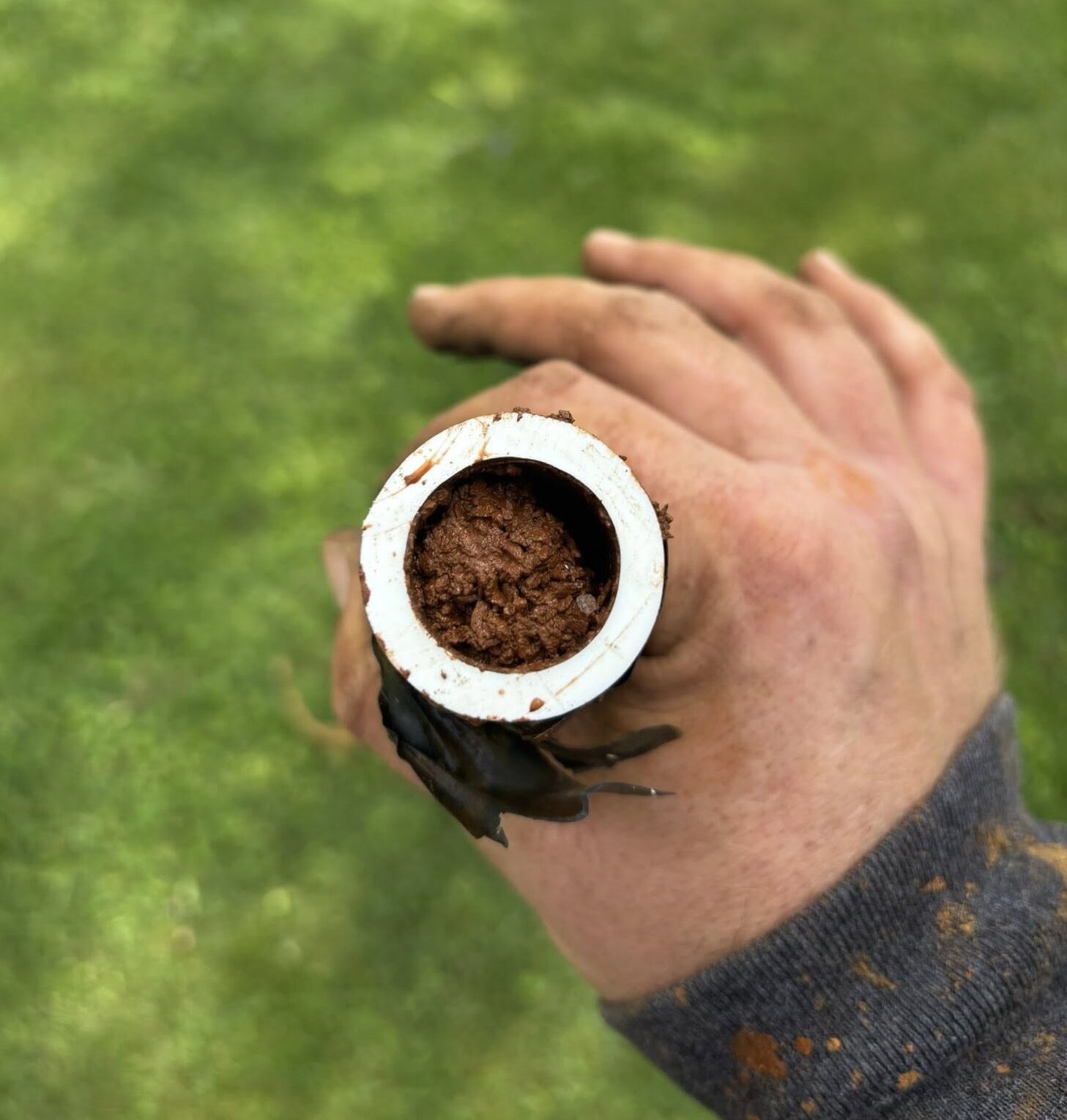
Cloudy water may come from trapped air or suspended particles. Sandy water can point to sediment issues. Rusty or orange-tinted water can point toward iron or corrosion. TLC already has a more focused article for that angle here: How to Remove Iron and Hard Minerals From Well Water.
Problem #6: Bad odor or unpleasant taste
A rotten egg smell, metallic taste, earthy smell, or other off-putting change in your water is a sign that you need more information before picking a solution.
Start with one key question
Does the smell affect only hot water, or both hot and cold? If it is only in the hot water, the water heater may be the issue. If it shows up throughout the home, the well water itself is more likely involved.
Do not guess at treatment
Bad odors and tastes can come from sulfur, iron, bacteria, treatment issues, or several overlapping causes. Testing helps you choose the right fix. Once you know what is in the water, TLC can help you think through water purification options that actually match the problem.
Water testing and water quality basics
Some well problems cannot be diagnosed by sight alone. Water that looks fine can still need attention. Private well owners are responsible for monitoring their own water, and annual testing is widely recommended by public health agencies.
A practical testing schedule usually includes annual core testing, plus extra testing after flooding, repairs, or noticeable changes in the water. The EPA recommends annual testing for total coliform bacteria, nitrates, total dissolved solids, and pH for private wells. Indiana also advises annual bacteriological testing and extra testing after flooding or water-quality changes. Good starting resources include:
TLC also already has a local article that works well here as an internal link: Well Testing in South Bend.
When to stop troubleshooting and call a pro
Some issues are worth a quick homeowner check. Others are not worth the risk. Call a professional if:
- You have no water and pressure will not recover.
- The breaker trips repeatedly.
- You see water near electrical components.
- The pump is short cycling and you cannot identify the cause.
- You suspect contamination after flooding.
- The water has changed suddenly and dramatically.
- You are simply not sure what you are looking at.
That is the point where expert diagnosis saves time, prevents damage, and often avoids replacing the wrong part.
Call TLC before a small issue becomes a bigger repair
TLC Well Service helps homeowners across South Bend, Elkhart, Mishawaka, Granger, Goshen, and surrounding Northern Indiana communities with well troubleshooting, pump service, tank issues, inspections, and water quality concerns.
How to prevent common well problems
The easiest repair is the one you never need. A simple maintenance routine goes a long way toward reducing breakdowns.
- Schedule regular well maintenance and inspections.
- Test your water annually and after major events like flooding or repairs.
- Replace filters on schedule if your home has treatment equipment.
- Watch for early warning signs such as pressure changes, cloudy water, or a pump that seems to run more often.
- Keep the area around the well clean and protected.
For homeowners building out a long-term care plan, these existing TLC resources make great next steps: The Importance of Regular Well Maintenance and How Often Should You Service a Well?.
Frequently asked questions
How do I know if my pressure tank is the problem?
Short cycling, pressure surging, and pressure that drops too quickly are all common signs. A failing tank is one of the most common causes of odd pump behavior.
Can a clogged filter make it seem like the well is failing?
Yes. A clogged sediment filter or treatment system can severely reduce flow and mimic a bigger system issue.
Should I keep resetting the breaker if the pump will not start?
No. A breaker that trips repeatedly is a warning sign. Continued resetting can make the problem worse and create safety risks.
How often should private well water be tested?
Annual testing is a smart baseline, with extra testing after flooding, repairs, or noticeable changes in taste, smell, color, or clarity.
What is the first thing I should do if I have no water?
Check if the issue affects the entire house, then check the well breaker and pressure gauge if you can do so safely. After that, it is usually time for a professional diagnosis.
Final takeaway
Diagnosing a home well problem gets much easier when you stop treating every symptom like a mystery. Start with what changed. Match the symptom to the most likely cause. Check the simple things first. Then bring in a professional when the issue involves power, contamination, repeated failure, or uncertainty.
That approach protects your time, your equipment, and your water supply.
Need answers from a local well expert?
TLC Well Service is here to help with troubleshooting, repairs, maintenance, water tanks, inspections, and purification solutions.